


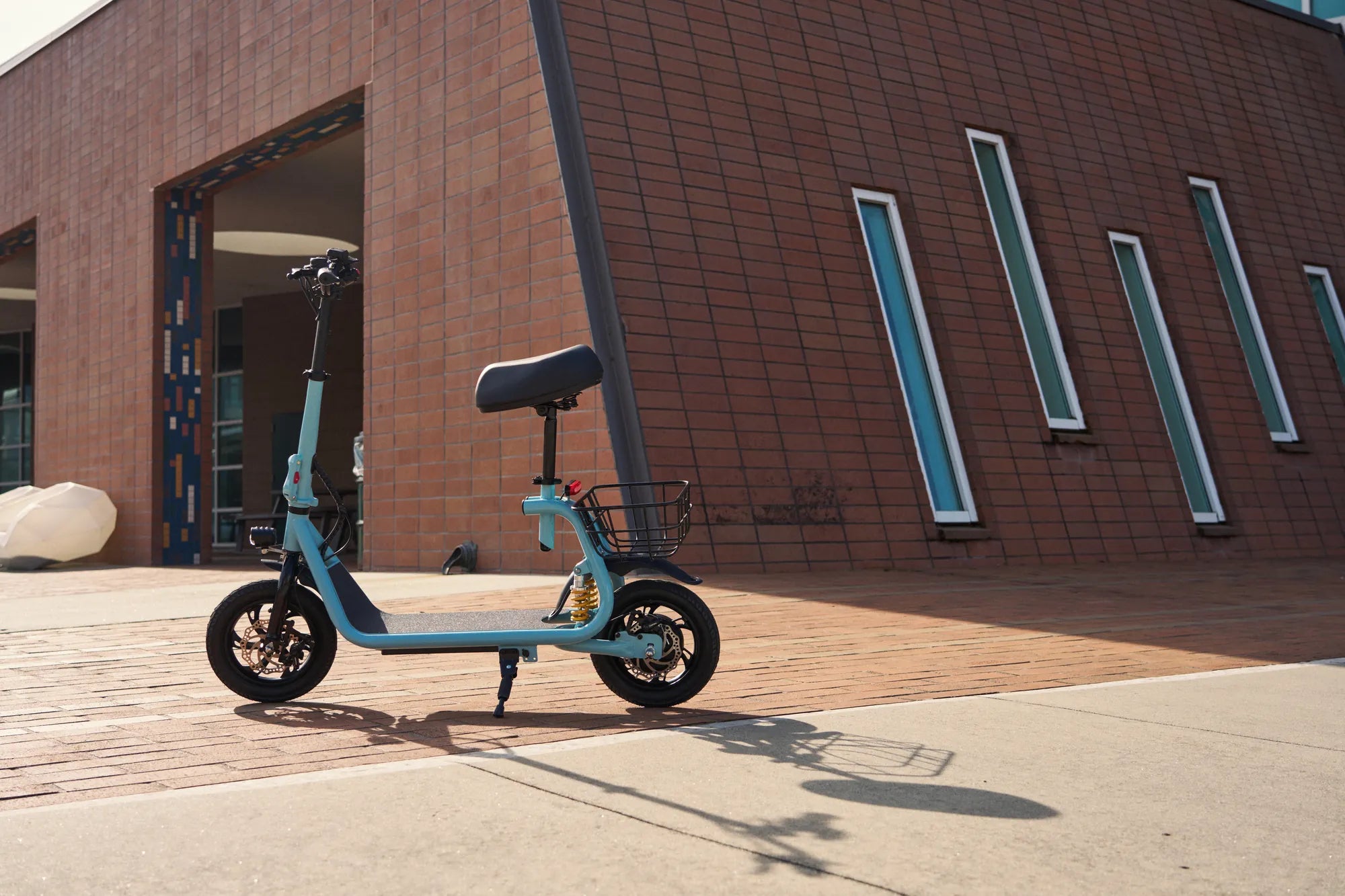
Electric bikes have revolutionized urban commuting, offering an eco-friendly and efficient alternative to traditional transportation. However, one of the most critical components—and often the most expensive—is the battery. If you're in the market for an electric bike, understanding electric bike battery price is essential to avoid overpaying or ending up with a subpar product. Let’s dive into the factors that influence cost and how to make the best choice for your needs.
Factors Affecting Electric Bike Battery Price
The price of an electric bike battery can vary significantly based on several key factors:
- Battery Capacity: Measured in watt-hours (Wh), higher-capacity batteries cost more but offer longer range.
- Battery Chemistry: Lithium-ion batteries are the most common and tend to be pricier than older technologies like lead-acid.
- Brand and Quality: Reputable manufacturers often charge a premium for reliability and performance.
- Voltage: Higher-voltage batteries (e.g., 48V) typically cost more than lower-voltage options (e.g., 36V).
- Warranty and Lifespan: Batteries with longer warranties or extended lifespans usually come at a higher price.
Types of Electric Bike Batteries
Not all batteries are created equal. Here’s a breakdown of the most common types and their price ranges:
Lithium-Ion (Li-ion)
Lithium-ion batteries dominate the market due to their lightweight design, high energy density, and long lifespan. Prices typically range from $300 to $1,000, depending on capacity and quality.
Lithium Iron Phosphate (LiFePO4)
Known for exceptional durability and safety, LiFePO4 batteries are more expensive, often costing between $500 and $1,500. They’re ideal for riders who prioritize longevity.
Nickel-Metal Hydride (NiMH)
Once popular, NiMH batteries are now less common. They’re cheaper ($200–$600) but heavier and less efficient than lithium options.
Lead-Acid
The cheapest option ($100–$300), lead-acid batteries are bulky and have a short lifespan. They’re rarely used in modern electric bikes.
How to Get the Best Value for Your Money
Paying a premium doesn’t always guarantee the best performance. Here’s how to ensure you’re getting the most bang for your buck:
- Compare Watt-Hours: A higher Wh rating means more range, so calculate cost per Wh for a fair comparison.
- Check Reviews: Look for user feedback on real-world performance and durability.
- Consider Lifespan: A cheaper battery that dies in two years may cost more in the long run than a pricier one that lasts five.
- Look for Warranties: A good warranty can save you money if the battery fails prematurely.
Future Trends in Electric Bike Battery Prices
As technology advances, battery prices are expected to drop while performance improves. Innovations like solid-state batteries could further reduce costs and increase energy density. Keeping an eye on these trends can help you time your purchase for maximum savings.
Whether you're a daily commuter or a weekend adventurer, understanding electric bike battery price is the key to a smart investment. Don’t let sticker shock deter you—focus on value, longevity, and your riding needs to find the perfect match.
Electric Bike for Adults with Kid Seat: The Ultimate Family Commuter
Ride Electric Scooter in Rain: Safety Tips and Best Practices