


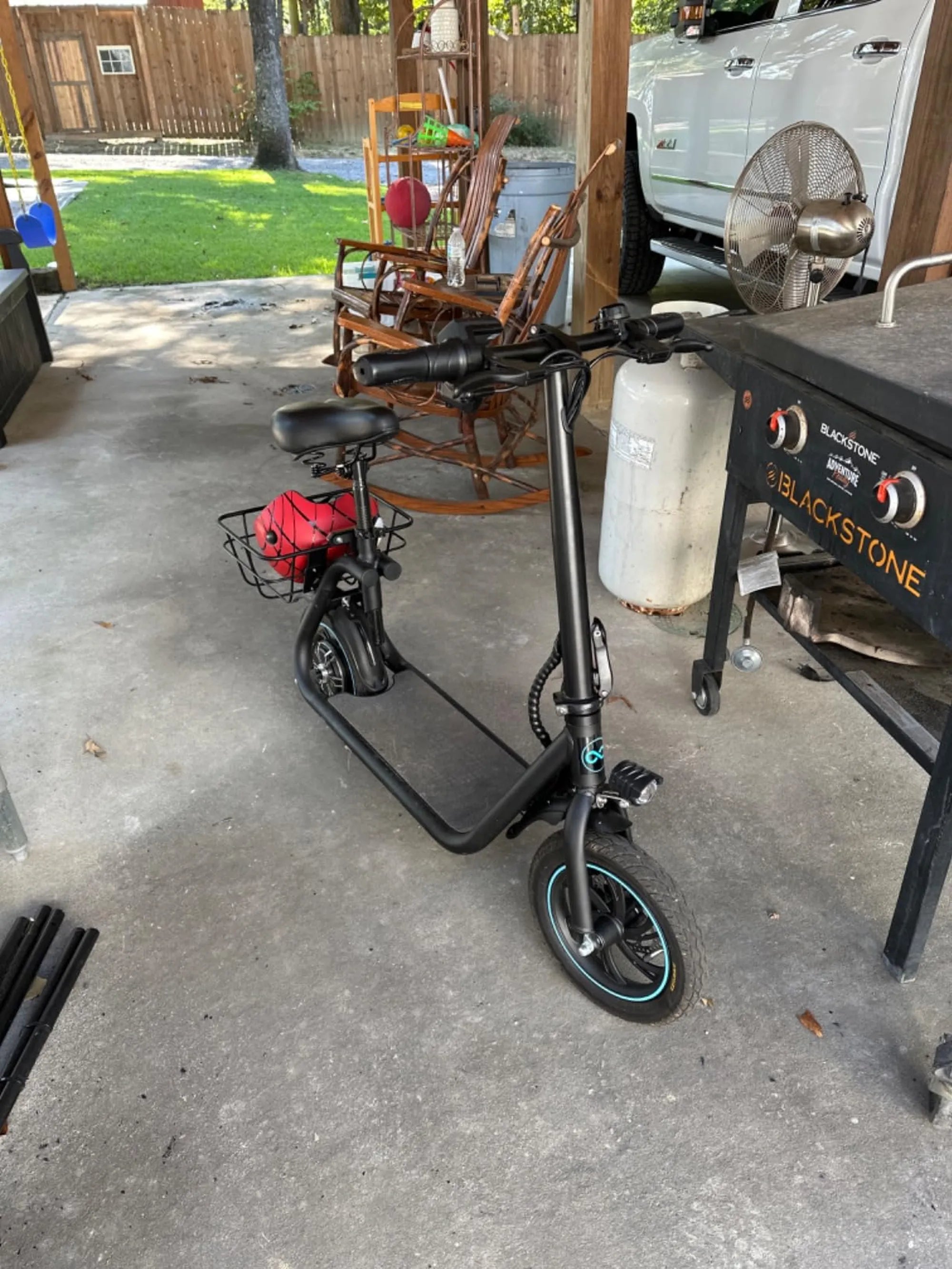
Riding an electric scooter in the rain might seem daunting, but with the right preparation and mindset, it can be a safe and enjoyable experience. Whether you're commuting or just exploring, wet weather doesn't have to stop you from hitting the road. Here's everything you need to know to stay safe and keep your scooter in top condition.
Is It Safe to Ride an Electric Scooter in the Rain?
While many electric scooters are designed to handle light rain, not all are built for heavy downpours or deep puddles. Water can damage electrical components, reduce traction, and increase the risk of accidents. However, if your scooter has an IP rating indicating water resistance, you can ride with greater confidence. Always check the manufacturer's guidelines before taking your scooter out in wet conditions.
Essential Safety Tips for Riding in the Rain
- Wear waterproof gear: A rain jacket, pants, and gloves will keep you dry and improve visibility.
- Slow down: Wet surfaces reduce tire grip, so lower your speed to avoid skidding.
- Avoid slippery surfaces: Steer clear of painted road markings, metal grates, and leaves, which become extra slippery when wet.
- Use lights: Rain reduces visibility, so always turn on your scooter's lights and consider adding reflective accessories.
- Brake gently: Sudden stops can cause sliding, so apply brakes gradually.
How to Protect Your Electric Scooter from Water Damage
Even if your scooter is water-resistant, prolonged exposure to rain can cause issues. Follow these steps to minimize damage:
- Dry your scooter after riding: Wipe down the handlebars, deck, and wheels to prevent rust and corrosion.
- Store it properly: Keep your scooter in a dry place when not in use.
- Check seals and gaskets: Ensure that protective coverings on ports and battery compartments are intact.
- Avoid deep puddles: Submerging your scooter can lead to electrical failures.
Choosing the Right Tires for Wet Conditions
Tires with good tread patterns provide better traction on wet roads. Solid or air-filled tires with deep grooves help channel water away, reducing the risk of hydroplaning. If you frequently ride in the rain, consider upgrading to tires specifically designed for wet weather.
What to Do If You Get Caught in Heavy Rain
If the weather turns worse while you're riding, find shelter as soon as possible. If you must continue, ride at a slow, steady pace and avoid sudden movements. Keep an eye out for hazards like standing water or debris washed onto the road.
Maintenance Tips After Riding in the Rain
Post-ride care is crucial to extend your scooter's lifespan. Inspect the brakes, tires, and electrical components for signs of water damage. Lubricate moving parts to prevent rust, and charge the battery only after ensuring it's completely dry.
Riding an electric scooter in the rain doesn't have to be a risky endeavor—just follow these tips to stay safe and keep your ride running smoothly. With the right precautions, you can embrace wet weather adventures without worry!
Electric Bike Battery Price: What You Need to Know Before Buying
Best Electric Bike for Short Female: Top Picks for Comfort and Performance