


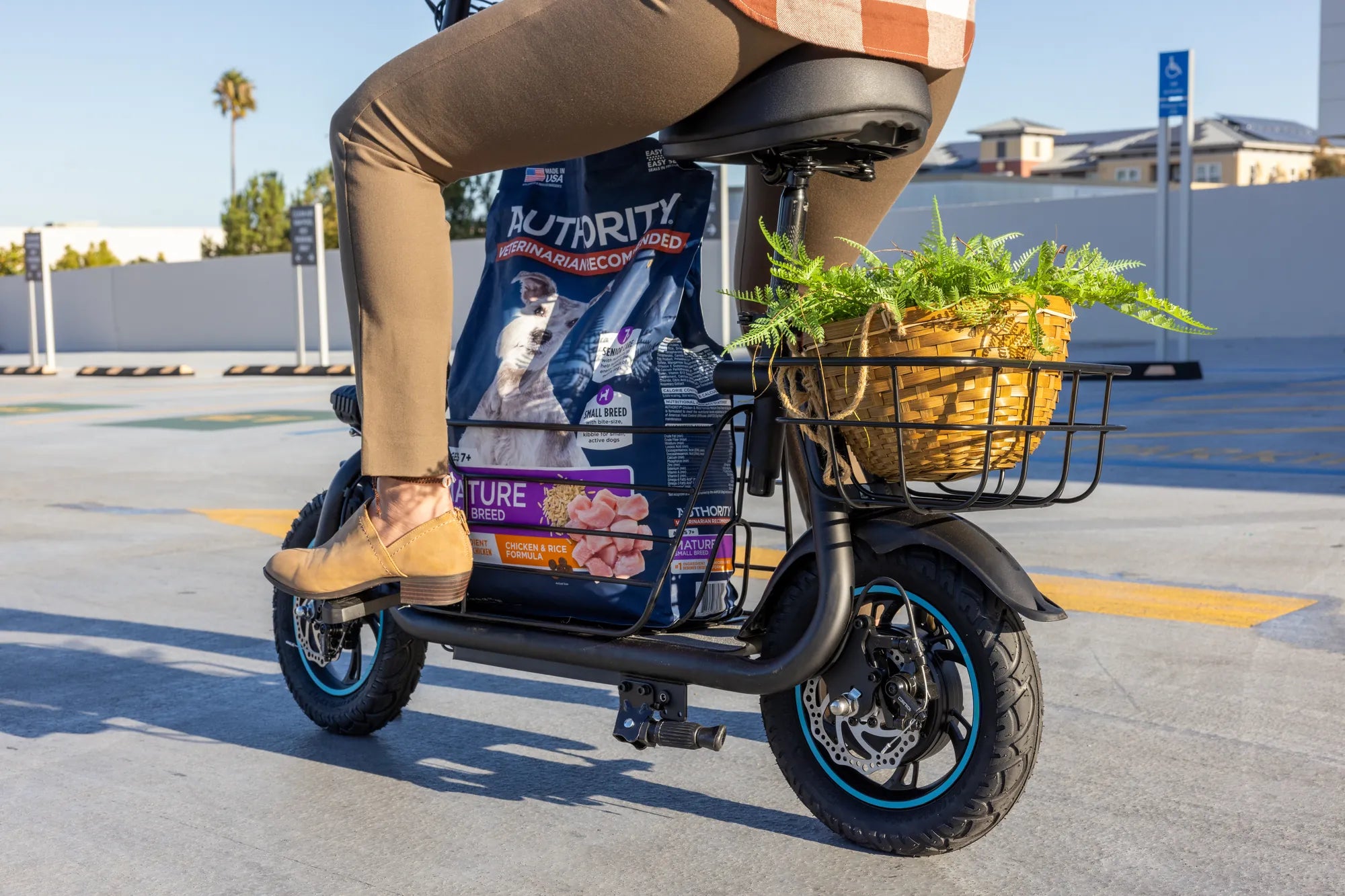
Electric bikes are revolutionizing urban mobility, offering a greener alternative to traditional transportation. But how much electricity do they actually consume? Whether you're a daily commuter or an eco-conscious rider, understanding the power usage of your e-bike can help you optimize efficiency and reduce costs. Let's dive into the details.
How Electric Bikes Consume Electricity
Electric bikes rely on rechargeable batteries to power their motors. The amount of electricity consumed depends on several factors, including battery capacity, motor efficiency, riding conditions, and user behavior. On average, an e-bike consumes between 0.5 to 1 kilowatt-hour (kWh) per 100 kilometers, making it far more energy-efficient than cars or motorcycles.
Factors Affecting Power Consumption
1. Battery Capacity and Efficiency
Larger batteries store more energy but also require more electricity to charge. However, higher-quality batteries with better energy density can deliver more miles per charge, reducing overall consumption.
2. Motor Power and Assist Levels
Higher wattage motors consume more electricity, especially when used at maximum assist levels. Riders who rely heavily on pedal-assist modes will drain the battery faster than those who pedal more.
3. Terrain and Riding Conditions
Hilly routes, strong headwinds, and rough terrain increase power consumption. Smooth, flat roads with minimal stops allow for optimal efficiency.
4. Rider Weight and Cargo
Heavier loads require more energy to move. Reducing unnecessary weight can improve range and lower electricity usage.
Maximizing Efficiency and Reducing Consumption
To get the most out of your e-bike's battery, consider these tips:
- Use lower assist levels when possible.
- Maintain proper tire pressure for reduced rolling resistance.
- Avoid sudden accelerations and hard braking.
- Charge the battery before it's completely drained.
- Store the bike in moderate temperatures to preserve battery health.
Environmental Impact of Electric Bikes
While electric bikes consume electricity, their carbon footprint is significantly lower than gas-powered vehicles. Charging an e-bike typically costs just a few cents per charge, and renewable energy sources can further reduce emissions. By replacing car trips with e-bike rides, riders can drastically cut their personal carbon emissions.
Cost of Charging an Electric Bike
Depending on local electricity rates, charging an e-bike battery costs between $0.05 to $0.20 per full charge. Over a year, frequent riders might spend around $20 to $50 on electricity—a fraction of the cost of fueling a car.
Electric bikes consume electricity, but their efficiency and low operating costs make them a smart choice for sustainable transportation. By understanding power usage and adopting energy-saving habits, riders can enjoy longer rides while minimizing their environmental impact. Ready to make the switch? Your wallet—and the planet—will thank you.
Downhill Mountain Biking vs Motocross: Which Extreme Sport Reigns Supreme?
Bocco Mountain Dirt Biking: The Ultimate Off-Road Adventure