

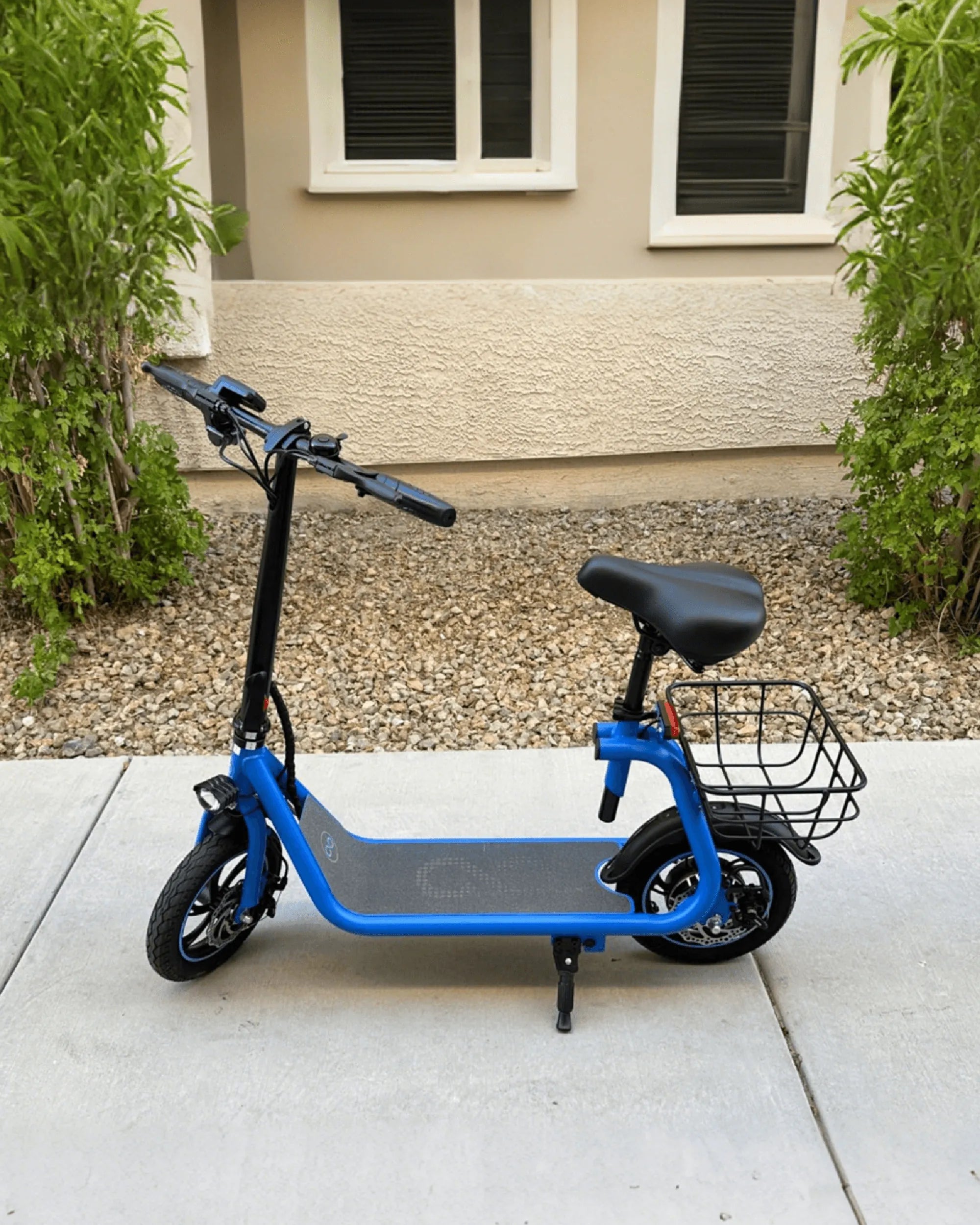
Electric bike frame design is the backbone of every high-performance e-bike, dictating everything from handling to battery integration. Whether you're a daily commuter or an off-road adventurer, the right frame can make or break your riding experience. Let's dive into the engineering marvels behind modern e-bike frames and discover what makes them so special.
The Importance of Frame Materials in Electric Bikes
When it comes to electric bike frame design, material selection plays a crucial role in determining weight, durability, and ride quality. Aluminum alloys remain the most popular choice, offering an excellent balance between strength and affordability. Their lightweight nature helps offset the added weight of batteries and motors, while still providing sufficient stiffness for responsive handling.
Carbon fiber has emerged as a premium alternative for high-end electric bikes. This advanced composite material delivers exceptional strength-to-weight ratios while absorbing road vibrations better than metal frames. However, carbon fiber frames require careful engineering to accommodate the additional stresses from electric components.
Steel frames, though heavier, offer unmatched durability and a smooth ride quality thanks to their natural vibration-damping properties. Some manufacturers are experimenting with titanium for its corrosion resistance and longevity, though the high cost limits its widespread adoption.
Geometry Considerations for Different Riding Styles
Electric bike frame design must account for various riding disciplines, each requiring unique geometry. Commuter frames typically feature more upright positioning for comfort during long rides, with relaxed head tube angles that promote stability. The wheelbase tends to be longer to accommodate battery placement while maintaining balanced weight distribution.
Mountain e-bikes demand aggressive geometry with slacker head angles for descending confidence and steeper seat tube angles for efficient climbing. The bottom bracket is often slightly elevated to prevent pedal strikes on technical terrain. Frame designers must carefully consider how the motor's torque affects handling characteristics.
Performance-oriented road e-bikes prioritize aerodynamics with compact frames and integrated component mounting. The geometry strikes a balance between responsive handling for spirited riding and stability for high-speed cruising with electric assistance.
Battery Integration and Weight Distribution
One of the biggest challenges in electric bike frame design is seamlessly incorporating the battery without compromising aesthetics or performance. Modern frames increasingly feature downtube-integrated batteries that maintain a sleek profile while keeping weight low and centered. This design approach improves handling by lowering the center of gravity compared to rear-mounted battery systems.
Some innovative designs incorporate the battery into the seat tube or even the frame's structural elements themselves. These solutions often require custom battery shapes and careful thermal management considerations. The ideal placement balances accessibility for charging with protection from impacts and weather exposure.
Weight distribution extends beyond just battery placement. Motor positioning affects how the bike feels under acceleration, with mid-drive systems requiring reinforced bottom bracket areas. Frame designers must account for these concentrated stress points while maintaining overall frame compliance for rider comfort.
Innovations in Frame Construction Techniques
Advanced manufacturing methods are revolutionizing electric bike frame design. Hydroforming allows for complex tube shapes that optimize strength while minimizing weight. This technique enables designers to create frames with varying wall thicknesses, reinforcing high-stress areas without adding unnecessary material elsewhere.
3D printing is beginning to make inroads for creating custom frame components and prototypes. While not yet practical for mass production, this technology allows for unprecedented design freedom and rapid iteration. Some manufacturers are experimenting with hybrid construction methods that combine traditional materials with 3D-printed structural elements.
Modular frame designs are emerging as a solution for customization and repairability. These systems allow riders to swap out damaged sections or upgrade components without replacing the entire frame. Such approaches align with sustainability goals by extending product lifespans.
The Future of Electric Bike Frame Design
As electric bike technology evolves, frame design will continue to push boundaries. Smart frames with integrated sensors could monitor stress and provide real-time feedback on component health. We may see frames that actively adjust their geometry or stiffness based on riding conditions, similar to concepts in high-performance automotive design.
New materials like graphene-enhanced composites promise even lighter and stronger frames. Advances in energy storage might lead to frames that double as structural batteries, eliminating the need for separate power cells altogether. The integration of connectivity features will likely become more seamless, with frames designed to accommodate evolving tech standards.
From urban commuters to rugged mountain machines, electric bike frame design will remain at the heart of the e-bike revolution. As you consider your next electric bike purchase, pay close attention to the frame - it's not just a skeleton, but the foundation of your riding experience. The perfect blend of form and function awaits those who understand the art and science behind these remarkable structures.
Electric Dirt Bike Price Range 2025: What to Expect in the Coming Year
Step Through Electric Mountain Bike UK: The Ultimate Off-Road Adventure Companion