



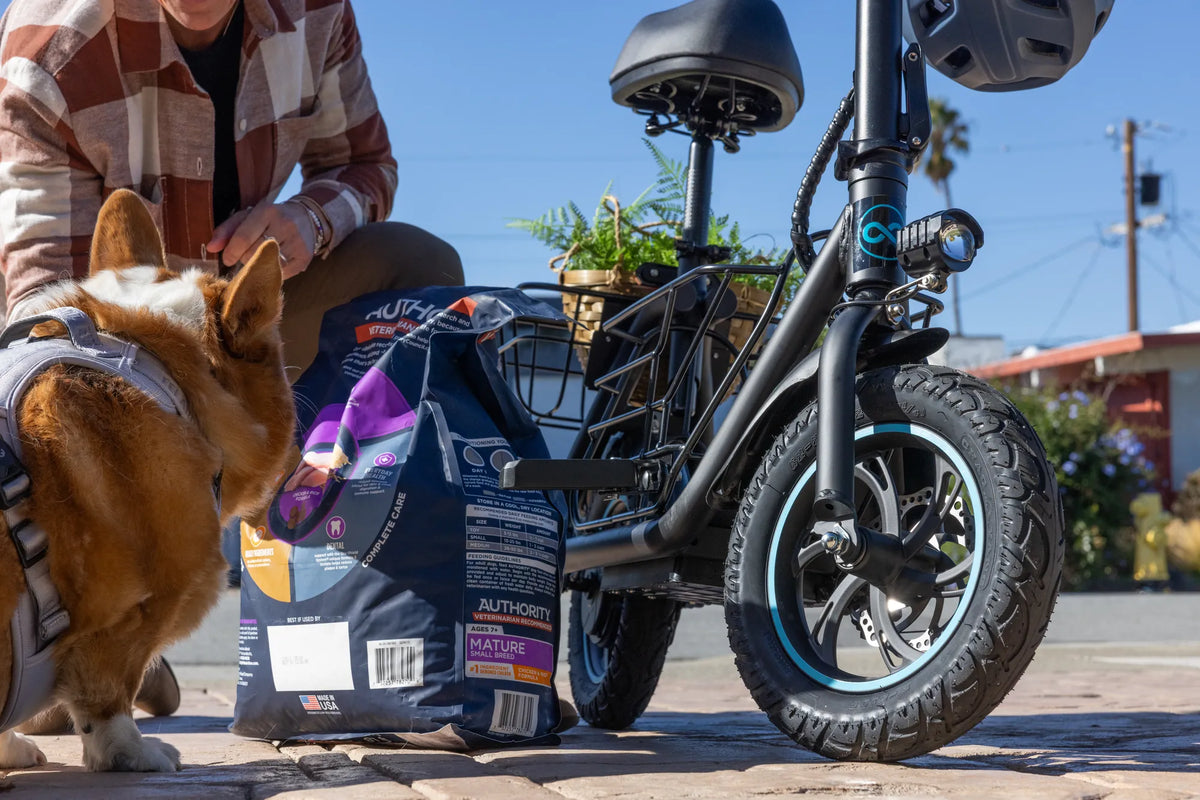
Electric bikes have taken the world by storm, promising a revolution in personal transportation. But are they truly the future of mobility or just a passing fad? Whether you're a cycling enthusiast or a commuter looking for a greener alternative, understanding the pros and cons of e-bikes is crucial before making your decision.
The Good: Why Electric Bikes Are Changing the Game
Electric bikes offer numerous advantages that make them appealing to a wide range of riders. Let's explore the most significant benefits:
Eco-Friendly Transportation
One of the biggest selling points of electric bikes is their environmental friendliness. Compared to cars and motorcycles, e-bikes:
- Produce zero direct emissions
- Require far less energy to operate
- Have a smaller manufacturing footprint
- Reduce traffic congestion in urban areas
Health Benefits With Less Strain
Contrary to what some might think, electric bikes still provide exercise while making cycling more accessible:
- Pedal-assist encourages regular physical activity
- Allows people with varying fitness levels to ride together
- Reduces joint impact compared to traditional bikes on hills
- Helps riders maintain consistent exercise routines
Cost-Effective Commuting
When compared to other forms of transportation, e-bikes offer significant financial advantages:
- Lower upfront cost than cars or motorcycles
- Minimal maintenance requirements
- No fuel costs - just electricity for charging
- Reduced parking fees in urban areas
The Bad: Potential Drawbacks of Electric Bikes
While e-bikes have many benefits, they're not without their challenges. Here are some considerations that might make you think twice:
Higher Initial Investment
Compared to traditional bicycles, electric bikes come with a steeper price tag:
- Significant upfront cost for quality models
- Potential battery replacement costs down the line
- Specialized maintenance may require professional service
Limited Range and Charging Infrastructure
While technology is improving, e-bikes still face some limitations:
- Battery range varies greatly depending on usage
- Charging stations aren't as widespread as for electric cars
- Long charging times compared to refueling a vehicle
Safety Concerns
The increased speed and weight of e-bikes present unique safety challenges:
- Higher speeds can lead to more severe accidents
- Heavier weight makes them harder to maneuver in emergencies
- Mixed reactions from traditional cyclists and pedestrians
Making the Right Choice for Your Needs
Deciding whether an electric bike is right for you depends on several factors:
Consider Your Primary Use Case
Think about how you plan to use your e-bike most often:
- Daily commuting to work or school
- Recreational riding on weekends
- Combining with public transportation
- Running errands around town
Evaluate Your Physical Condition
Your fitness level and health should play a role in your decision:
- Do you need assistance with hills or long distances?
- Are there any physical limitations to consider?
- How much exercise do you want to get from riding?
Assess Your Local Environment
Your geographic location and infrastructure matter:
- Availability of bike lanes and paths
- Terrain and elevation changes in your area
- Local weather patterns throughout the year
- Storage and security options at home and work
Electric bikes represent a significant shift in personal transportation, offering a unique blend of convenience, sustainability, and health benefits. While they're not perfect for every situation, their growing popularity suggests they're more than just a passing trend. Whether you're looking to reduce your carbon footprint, save money on commuting, or simply enjoy cycling with less effort, an e-bike might be the perfect solution for your needs.
Electric Bike Features and Benefits: Why They’re Revolutionizing Urban Commutes
Electric Bike Technology Advancements: The Future of Urban Mobility