



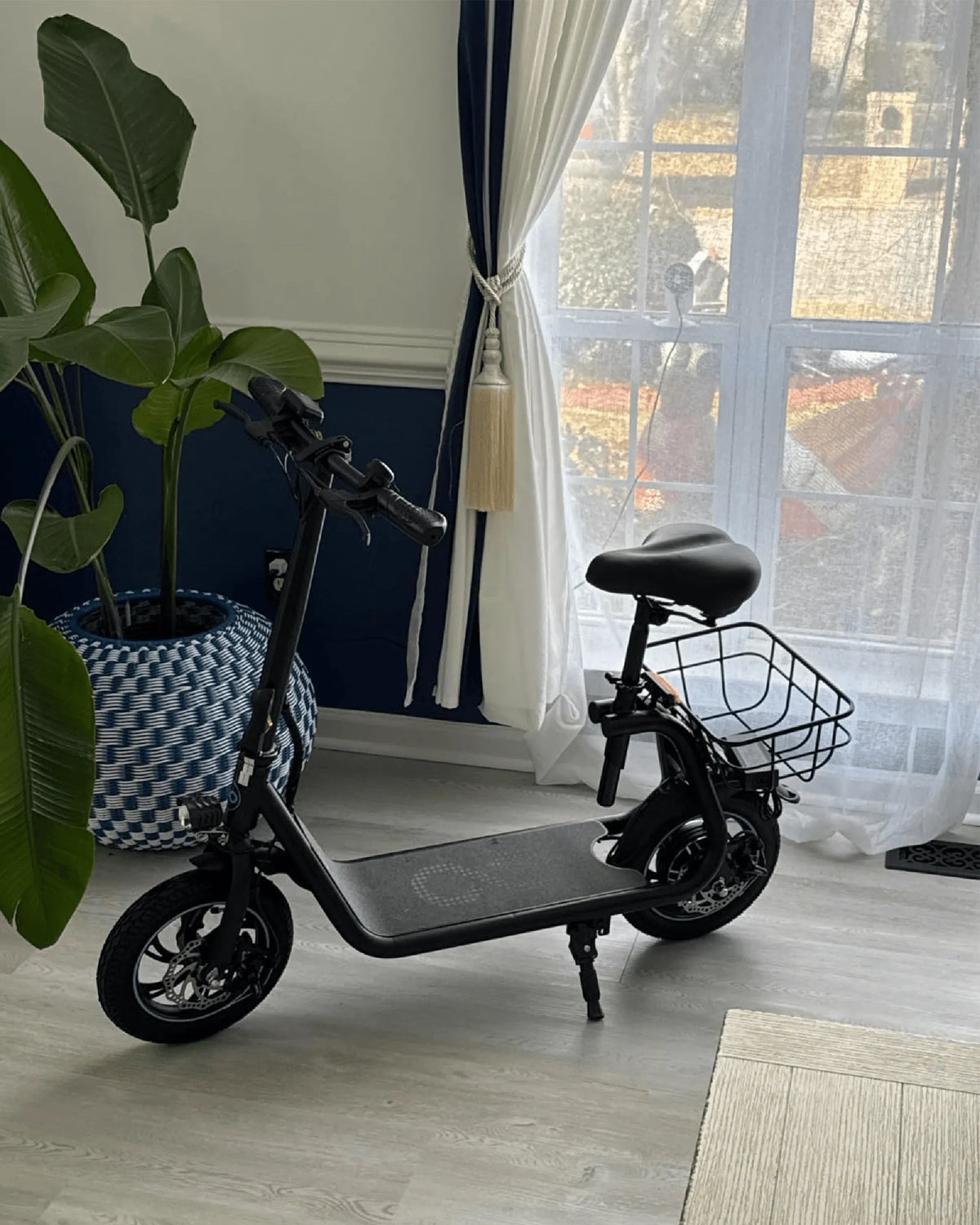
The electric bike market is undergoing a revolution, and by 2025, it will redefine urban mobility. With rising fuel costs, environmental concerns, and the need for efficient transportation, e-bikes are emerging as the go-to solution for millions worldwide. But what exactly will drive this market in the coming years? Let’s dive into the most impactful trends shaping the electric bike industry by 2025.
1. Technological Innovations Driving Growth
By 2025, electric bikes will be smarter, faster, and more efficient. Advances in battery technology, such as solid-state batteries, will extend range and reduce charging times. Lightweight materials like carbon fiber and advanced alloys will make e-bikes more portable and durable. Additionally, integrated IoT features will enable real-time tracking, predictive maintenance, and seamless connectivity with smartphones and other devices.
2. Sustainability and Government Incentives
Governments worldwide are pushing for greener transportation solutions, and e-bikes are at the forefront of this movement. Subsidies, tax rebates, and infrastructure investments will make electric bikes more accessible. Cities are also expanding bike lanes and charging stations, further encouraging adoption. Consumers are increasingly prioritizing eco-friendly options, making sustainability a key driver of market growth.
3. Urbanization and Last-Mile Delivery Solutions
As urban populations grow, so does the demand for efficient last-mile transportation. E-bikes offer a cost-effective and agile solution for delivery services, reducing traffic congestion and emissions. Companies are investing in fleets of electric bikes to meet the rising demand for quick and sustainable deliveries, a trend that will only accelerate by 2025.
4. Changing Consumer Preferences
Commuters are shifting away from traditional vehicles in favor of e-bikes, thanks to their affordability and convenience. Foldable and compact designs are gaining popularity, catering to urban dwellers with limited storage space. Health-conscious consumers also appreciate the pedal-assist feature, which combines exercise with effortless commuting.
5. Expansion of Shared Mobility Services
Bike-sharing programs are evolving, with electric bikes becoming a staple in urban mobility networks. By 2025, shared e-bike services will dominate cityscapes, offering flexible and affordable transportation options. These programs will integrate with public transit systems, providing seamless first- and last-mile connectivity.
6. Competitive Pricing and Market Diversification
As production scales up, the cost of e-bikes will continue to drop, making them accessible to a broader audience. Manufacturers are also diversifying their offerings, from budget-friendly models to premium high-performance bikes. This variety will cater to different consumer needs, further boosting market penetration.
7. Regulatory Support and Safety Standards
Governments are implementing stricter safety regulations and standardization for e-bikes, ensuring reliability and consumer trust. Improved braking systems, better lighting, and mandatory helmet laws in some regions will enhance rider safety. These measures will play a crucial role in mainstream adoption.
The electric bike market is poised for unprecedented growth by 2025, driven by innovation, sustainability, and evolving urban needs. Whether you’re a commuter, a delivery service, or an eco-conscious consumer, e-bikes offer a compelling solution. Don’t miss out on the revolution—embrace the future of mobility today.
Luxury Dark Gray E-Scooter: The Ultimate Blend of Style and Performance
1000 Watt Electric Mountain Bike: The Ultimate Off-Road Adventure Companion