



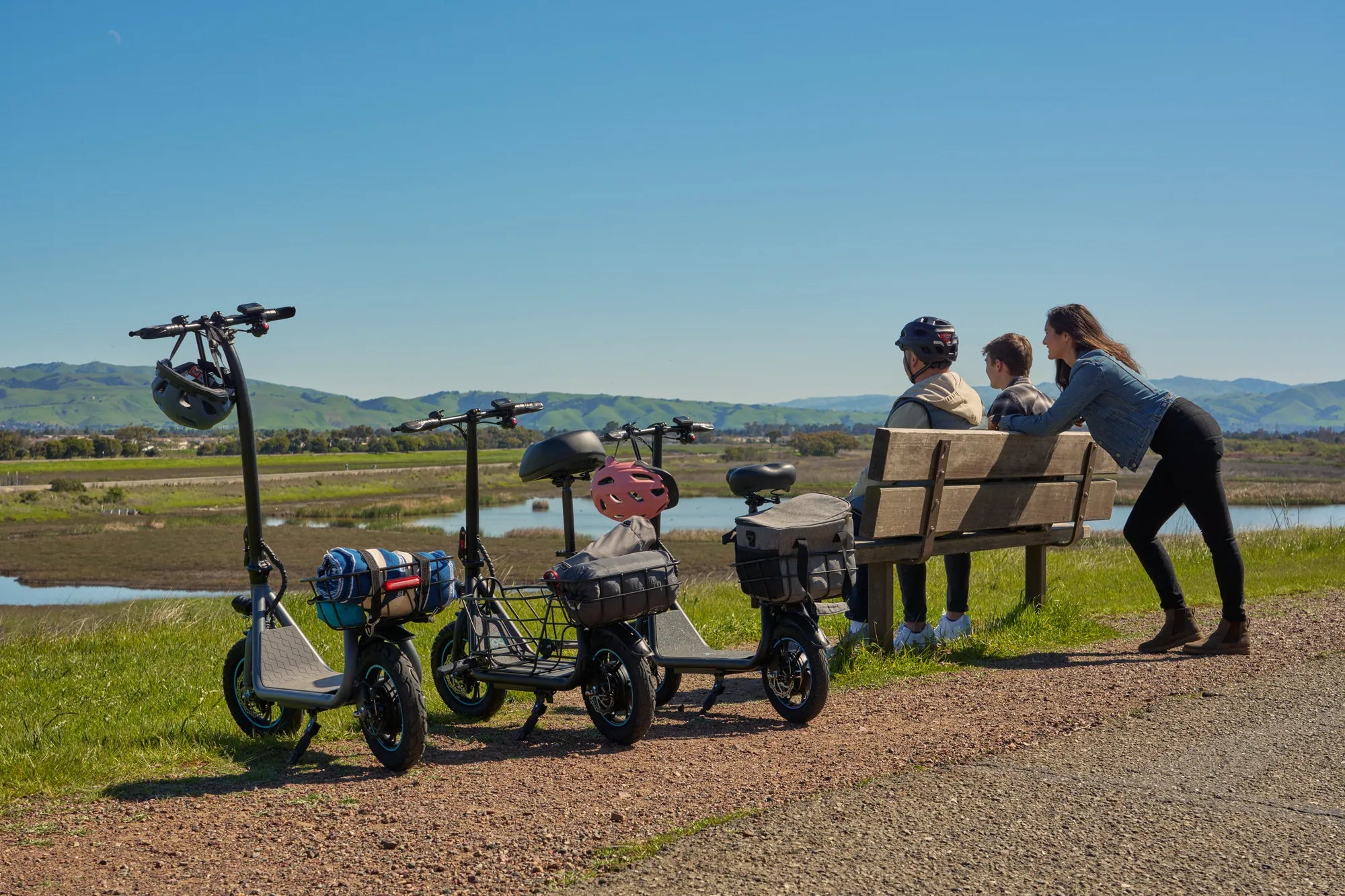
Imagine gliding through city streets without emitting a single gram of CO2, all while enjoying the convenience of a faster commute. Electric bikes are transforming the way we think about sustainable transportation, offering an eco-friendly alternative to cars and public transit. As cities grow denser and climate concerns escalate, the rise of electric bikes presents a compelling solution to reduce emissions and foster greener urban living.
The Environmental Impact of Electric Bikes
Electric bikes (e-bikes) are a game-changer in the fight against climate change. Unlike traditional vehicles that rely on fossil fuels, e-bikes run on rechargeable batteries, significantly cutting down greenhouse gas emissions. Studies show that e-bikes produce up to 90% fewer emissions per mile compared to cars, making them a cleaner choice for short-distance travel.
Energy Efficiency and Reduced Carbon Footprint
One of the most compelling aspects of e-bikes is their energy efficiency. They consume far less energy than cars or motorcycles, requiring only a fraction of the electricity needed to power an electric vehicle. This efficiency translates into a smaller carbon footprint, especially when charged using renewable energy sources like solar or wind power.
Reducing Traffic Congestion and Pollution
Urban areas suffer from chronic traffic congestion, leading to increased air pollution and wasted time. E-bikes offer a nimble alternative, allowing riders to bypass gridlocked streets and reduce their contribution to urban smog. By replacing car trips with e-bike rides, cities can significantly lower pollution levels and improve air quality.
Promoting Health and Sustainable Lifestyles
Beyond environmental benefits, e-bikes encourage physical activity and healthier lifestyles. While they provide pedal assistance, riders still engage in moderate exercise, promoting cardiovascular health. This dual benefit of sustainability and wellness makes e-bikes an attractive option for eco-conscious commuters.
The Role of Infrastructure in E-Bike Adoption
For e-bikes to reach their full potential, cities must invest in supportive infrastructure. Dedicated bike lanes, secure parking, and charging stations are essential to encourage widespread adoption. Forward-thinking urban planners are already integrating these features into city designs, paving the way for a more sustainable future.
Economic Benefits of Electric Bikes
E-bikes are not only good for the planet but also for personal finances. They cost significantly less to operate than cars, with lower maintenance expenses and no fuel costs. Over time, switching to an e-bike can save riders thousands of dollars while reducing their environmental impact.
Overcoming Barriers to E-Bike Sustainability
Despite their advantages, e-bikes face challenges such as limited range and battery disposal concerns. However, advancements in battery technology and recycling programs are addressing these issues, making e-bikes an increasingly viable option for sustainable transportation.
The shift toward electric bike sustainability is more than a trend—it's a movement toward cleaner, smarter cities. By embracing e-bikes, we can reduce emissions, improve public health, and create a more livable planet for future generations. The road to sustainability starts with a single pedal stroke.
Electric Bike 500W UK: The Ultimate Guide to Power and Performance
Electric Bike on Road Price in Delhi: A Comprehensive Guide to Costs and Savings