



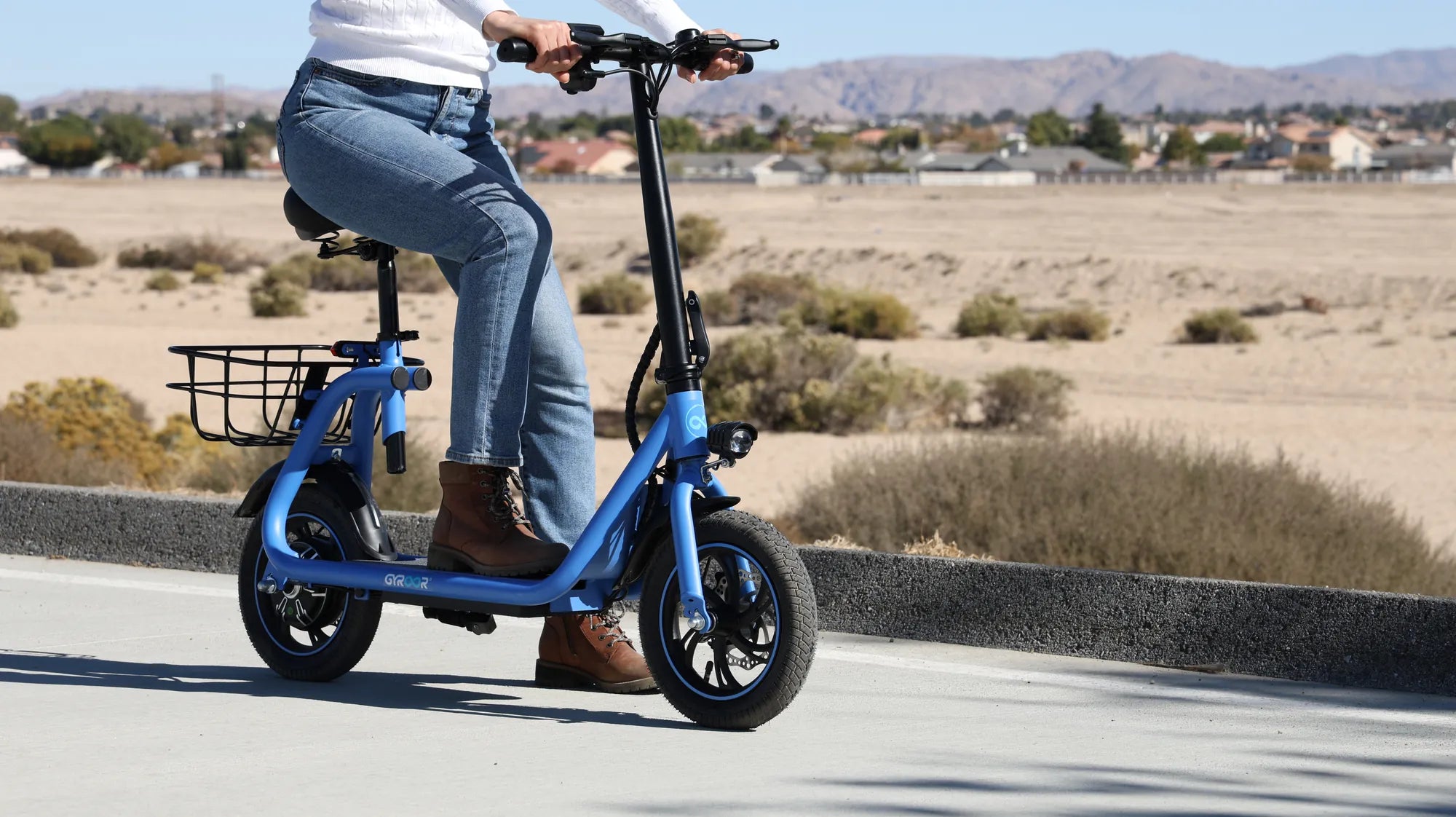
Electric bikes are revolutionizing the way we commute, explore, and stay active. At the heart of this transformation lies the electric bike transmission—a critical component that determines how smoothly and efficiently power is delivered to the wheels. Whether you're a daily commuter or an adventure seeker, understanding how transmission systems work can help you make the most of your e-bike experience.
How Electric Bike Transmission Works
Electric bike transmissions are designed to transfer power from the motor to the wheels, ensuring optimal performance across various terrains and riding conditions. Unlike traditional bicycles, e-bikes rely on a combination of mechanical and electronic systems to deliver seamless power delivery. The transmission system typically includes gears, a chain or belt drive, and an electronic controller that adjusts power output based on rider input.
Types of Electric Bike Transmission Systems
There are several types of transmission systems used in electric bikes, each with its own advantages:
1. Hub Motor Transmission
Hub motors are integrated into the wheel hub and provide direct power to the wheel. This system is simple, low-maintenance, and ideal for urban commuting. However, it may lack the efficiency needed for steep hills or off-road trails.
2. Mid-Drive Motor Transmission
Mid-drive motors are mounted near the bike's crankset and leverage the bike's existing gears. This setup offers better torque and efficiency, making it suitable for hilly terrains and long-distance rides.
3. Continuously Variable Transmission (CVT)
CVT systems provide an infinite range of gear ratios, allowing for smooth acceleration without the need for shifting. This type of transmission is gaining popularity for its simplicity and adaptability.
Benefits of Advanced Electric Bike Transmission
Modern electric bike transmissions offer numerous benefits, including:
- Improved Efficiency: Advanced systems minimize energy loss, extending battery life.
- Enhanced Comfort: Smooth gear transitions reduce rider fatigue.
- Greater Versatility: Adaptable systems perform well in diverse conditions.
Choosing the Right Transmission for Your Needs
When selecting an electric bike, consider factors such as terrain, riding style, and maintenance preferences. Hub motors are great for casual riders, while mid-drive systems excel in challenging environments. CVT offers a middle ground for those seeking simplicity and performance.
The Future of Electric Bike Transmission
Innovations in electric bike transmission are rapidly evolving, with developments like automatic shifting, regenerative braking, and lightweight materials pushing the boundaries of efficiency and performance. As technology advances, e-bikes will become even more accessible and enjoyable for riders of all levels.
Ready to experience the next level of riding? An electric bike with the right transmission can transform your journey, offering unmatched efficiency, comfort, and excitement. Don't miss out on the future of cycling—explore your options today!
Riding'times 1500W Moped Style Electric Bike Reviews: Power, Style, and Performance
Electric Under Desk Bike: The Ultimate Guide to Staying Active at Work