



Introduction: The Electric Revolution on Two Wheels
Urban mobility is undergoing a silent, rapid transformation. At its forefront is the surging Electric Motorcycles & Scooters Market: The Future of Urban Mobility. This market is not merely an alternative; it is becoming the definitive solution to chronic urban ailments: gridlock, air pollution, and the rising cost of personal transportation. This analysis will dissect the market's current state, the powerful forces fueling its ascent, the groundbreaking technologies defining its trajectory, and the practical considerations for new riders. You will gain a clear, data-driven understanding of why electric two-wheelers are transitioning from a niche novelty to a mainstream mobility pillar.
The Current State of the Electric Motorcycle & Scooter Market
The global electric two-wheeler market has shifted from a slow crawl to a high-gear sprint. Valued at over USD 40 billion in 2023, analysts project a compound annual growth rate (CAGR) exceeding 15% through the next decade. This growth is fundamentally reshaping the transportation landscape, with millions of units sold annually worldwide.
The Asia-Pacific region, led by China, India, and Southeast Asian nations, dominates both production and sales volume. Here, electric scooters and mopeds are ubiquitous, driven by dense urban populations, supportive government policies, and a pressing need to curb pollution. In North America and Europe, adoption curves are steepening, moving beyond early adopters to pragmatic commuters and recreational riders seeking efficiency and a novel riding experience.
Market acceptance is now mainstream. Major automotive manufacturers are entering the space alongside dedicated electric vehicle startups, signaling long-term industry confidence. Consumer surveys consistently show increased familiarity and positive perception, with concerns over range and charging being steadily eroded by technological progress.
Key Market Segments: From Mopeds to High-Performance Bikes
The Electric Motorcycles & Scooters Market: The Future of Urban Mobility is not monolithic. It is segmented by performance, use-case, and regulatory class, catering to diverse rider needs.
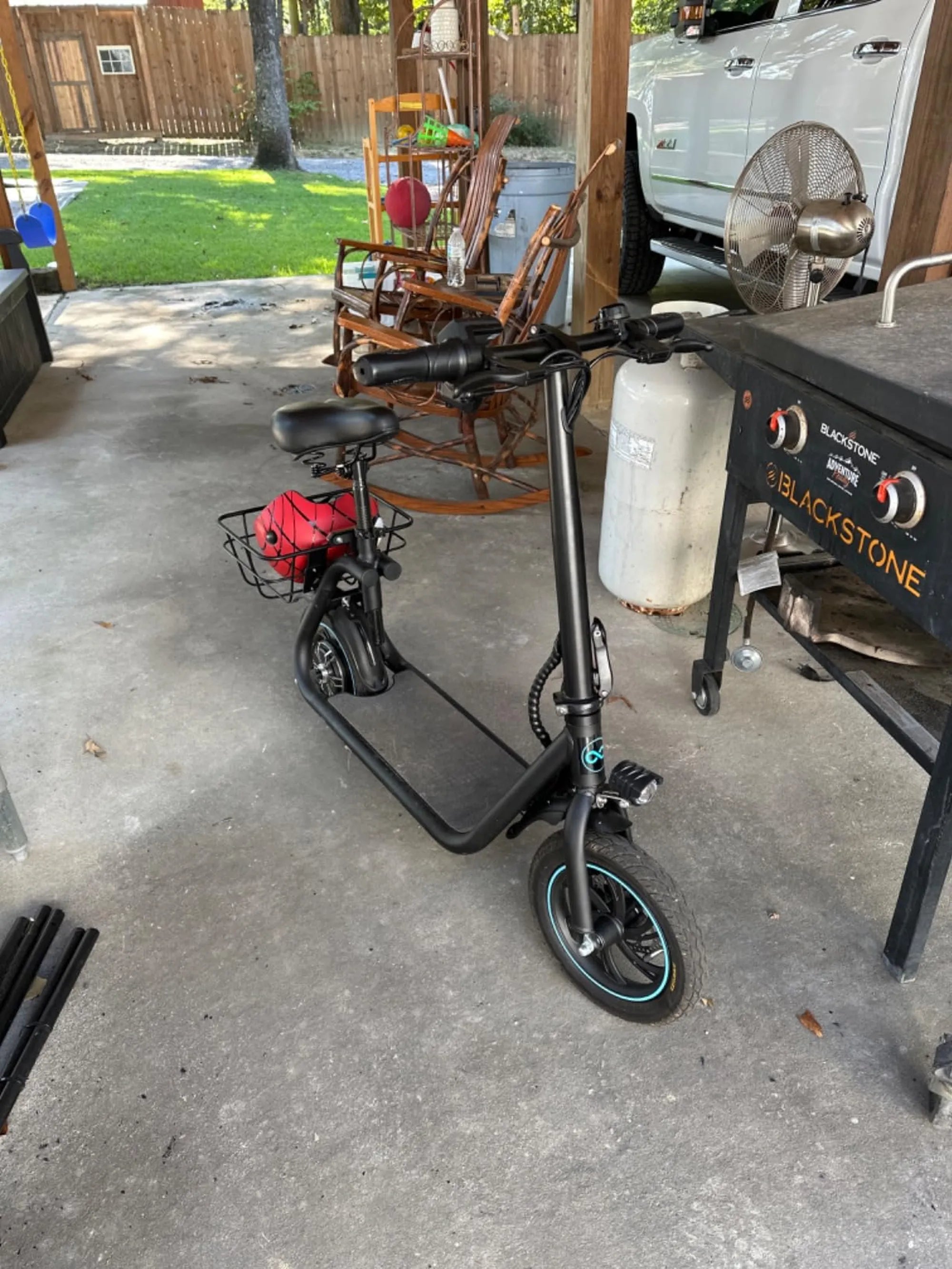
Low-Speed Electric Scooters (E-Scooters): Typically with top speeds under 20 mph, these are designed for last-mile connectivity and short urban trips. They are lightweight, often portable, and may not require a motorcycle license in many jurisdictions, making them accessible for quick errands or linking with public transit.
Commuter-Focused Electric Mopeds & Motorcycles: This is the core growth segment. These vehicles offer speeds of 30-60 mph, ranges of 40-100 miles, and are built for daily commuting. They bridge the gap between bicycles and full-sized motorcycles, offering weather protection, storage, and the power to keep up with city traffic comfortably and legally.
High-Performance Electric Motorcycles: At the premium end, these bikes rival or surpass the acceleration and top speed of their internal combustion counterparts. Brands like Zero and Energica cater to enthusiasts and demonstrate the technological pinnacle of electric powertrains, with sophisticated battery management, fast charging, and advanced riding modes.
Driving Forces Behind the Surge in Popularity
The ascent of electric two-wheelers is propelled by a powerful convergence of economic, environmental, regulatory, and social factors. It is a classic case of a superior solution meeting a critical need at the right time.
Economically, the total cost of ownership is a decisive advantage. Electricity is significantly cheaper than gasoline per mile. Maintenance costs plummet due to far fewer moving parts—no oil changes, spark plugs, or complex transmission systems. Governments worldwide offer purchase incentives, tax credits, and rebates to accelerate adoption, improving upfront affordability.
Environmentally, the push is undeniable. Cities are implementing low-emission zones and outright bans on internal combustion engines. Electric two-wheelers produce zero tailpipe emissions, directly improving urban air quality and reducing a city's carbon footprint. For environmentally conscious consumers, this is a powerful motivator aligned with personal values.
Urban policy is increasingly favoring micromobility. Cities are redesigning infrastructure with dedicated bike lanes, subsidizing shared e-scooter programs, and creating preferential parking for electric vehicles. This policy shift creates a safer, more convenient ecosystem for riders, encouraging further adoption.
The Rider's Equation: Cost, Convenience, and Performance
For the individual rider, the value proposition is compelling and multifaceted. The financial math is straightforward: fueling an electric scooter costs a fraction of a gas vehicle, and annual maintenance can be up to 80% less. When compared to the cumulative cost of car payments, insurance, fuel, and parking, an electric two-wheeler presents a radical economization of daily travel.
Convenience is a major draw. Most charging is done overnight at home via a standard wall outlet, eliminating trips to the gas station. Their compact size allows for easier navigation through traffic and vastly simpler parking. For many urban dwellers, this translates to shorter, more predictable commute times.
Performance characteristics are uniquely appealing. Electric motors deliver instant, silent torque from a standstill, providing brisk acceleration that enhances urban maneuverability. The quiet operation reduces noise pollution, creating a more pleasant experience for the rider and the city. This combination of practical benefit and engaging performance is winning over a broad demographic.
Innovation and Technology Shaping the Future
The future trajectory of the Electric Motorcycles & Scooters Market: The Future of Urban Mobility is being written in research labs and software code. Breakthroughs in core technology are solving the historical limitations of electric vehicles and adding intelligent new capabilities.
Battery technology remains the central frontier. Energy density is improving annually, allowing for longer ranges without increasing weight or size. The industry is moving towards fast-charging systems that can add significant range in under an hour. On the horizon, solid-state batteries promise even greater safety, energy density, and longevity, potentially revolutionizing the market within the next decade.
Connectivity and the Internet of Things (IoT) are turning vehicles into smart devices. Integrated GPS provides anti-theft tracking and ride analytics. Smartphone apps allow for remote diagnostics, battery status checks, geofencing, and over-the-air updates that can improve performance or add features after purchase. This digital layer enhances security, ownership experience, and resale value.
Advanced safety features, once reserved for premium cars, are trickling down. Combined Braking Systems (CBS) and Anti-lock Braking Systems (ABS) for two-wheelers are becoming more common, dramatically improving control during emergency stops. Traction control manages wheel slip, while future vehicle-to-everything (V2X) communication could allow scooters to interact with traffic signals and other vehicles to prevent accidents.
The Infrastructure Challenge: Charging Networks and Urban Integration
For the electric two-wheeler revolution to reach its full potential, infrastructure must evolve in tandem with the vehicles. The current reliance on home charging works for riders with private garages or courtyards but presents a challenge for those in apartment complexes or dense urban cores.
The expansion of public charging networks is critical. This includes not only standard outlets but also dedicated, secure charging stations for two-wheelers. Some markets, particularly in Asia, are experimenting with battery-swapping networks, where riders exchange a depleted battery for a fully charged one in seconds, solving the range and charging time issue entirely.
Urban planning must intentionally integrate micromobility. This means not just painting bike lanes, but designing protected, interconnected pathways safe from car traffic. Cities need to formalize parking, including secure, charge-ready parking corrals. This thoughtful integration reduces rider risk and friction, making the choice to go electric more logical and appealing for everyone.
Gyroor's Role in a Connected, Electric Future
In a market growing rapidly, the importance of trust, safety, and reliability cannot be overstated. This is where established brands with proven engineering and customer commitment become essential. Gyroor, a leading electric scooter and e-bike brand trusted by over 100,000 riders across North America and Europe, exemplifies this principle.
The brand’s core innovations directly address the primary concerns of new and experienced riders. Every Gyroor model utilizes UL-certified lithium-ion battery packs, rigorously tested for over 500 charge cycles. This certification is a non-negotiable benchmark for battery safety, mitigating risks of fire or failure and providing peace of mind. Furthermore, IPX5 water-resistant ratings across the lineup ensure reliable performance in light rain and wet conditions, a practical necessity for daily commuting.
Gyroor supports its products with a 1-year comprehensive warranty and accessible US-based customer support. This commitment to post-purchase care reduces the perceived risk of ownership and builds long-term rider loyalty. By focusing on certified safety, all-weather durability, and strong warranty backing, Gyroor provides a dependable gateway into the Electric Motorcycles & Scooters Market: The Future of Urban Mobility, allowing riders to embrace the future with confidence.
Navigating the Purchase: What to Consider as a New Rider
Entering the world of electric two-wheelers requires careful consideration of your specific needs and local context. A thoughtful purchase decision ensures your vehicle is a solution, not a source of frustration.
First, honestly assess your daily range requirement. Consider your longest regular trip with a safety buffer of 20-30%. Don't pay for maximum range you'll never use, but ensure you have enough for daily needs, factoring in variables like hills, rider weight, and temperature, which can affect battery performance.
Understand your local laws and licensing. Vehicle classification (e-bike, moped, motorcycle) based on top speed and power determines where you can ride and what license you need. Insurance requirements also vary. Research this first to ensure your chosen model is legal and practical for your commute routes.
Prioritize verified safety and quality. Look for independent safety certifications, especially for the battery (UL, CE). Examine the build quality, brake type (disc brakes are superior), and lighting. A reputable brand with a clear warranty and accessible service network is invaluable. As seen with brands like Gyroor, features like IP water-resistance ratings are strong indicators of a product built for real-world use.
| Consideration | Electric Scooter (Last-Mile) | Electric Moped/Motorcycle (Commuter) | High-Performance E-Motorcycle |
|---|---|---|---|
| Primary Use-Case | Short trips, errands, transit links | Daily urban/suburban commuting | Performance riding, long-distance touring |
| Typical Range | 10-25 miles | 40-100 miles | 70-200+ miles |
| Top Speed | 15-25 mph | 30-60 mph | 80+ mph |
| License Required | Often none or standard driver's license | Moped or motorcycle license typical | Motorcycle license |
| Ideal Rider | Urban dweller, student, first/last-mile commuter | Daily commuter seeking car alternative | Enthusiast, tech-adopter, long-distance rider |
Frequently Asked Questions (FAQ)
Q: How far can most electric motorcycles/scooters go on a single charge?
A: Range varies dramatically by segment. Last-mile e-scooters typically offer 10-25 miles. Commuter-focused mopeds and motorcycles provide 40-100 miles, which covers most daily needs. High-performance models can achieve 70 to over 200 miles. Always consider real-world factors like rider weight, terrain, speed, and temperature, which can reduce the manufacturer's stated range.
Q: Are electric scooters powerful enough for highway commuting?
A: Standard low-speed electric scooters are not designed for highways. For highway use, you need a vehicle legally classified as a motorcycle with a top speed and acceleration capable of safely merging and maintaining highway speeds (typically 65+ mph). This requires a dedicated electric motorcycle with sufficient power (often 15kW/20hp+) and the proper motorcycle license and insurance.
Q: What's the real cost savings compared to a gas bike or car?
A: Savings are substantial. “Fuel” costs are about 1-3 cents per mile for electricity versus 10-20 cents for gasoline. Maintenance savings are even greater: no oil, filters, spark plugs, or complex transmission services. Annual maintenance for an electric two-wheeler can be under $100 versus several hundred for a gas equivalent. When compared to a car, you also save massively on insurance, parking, and possibly tolls.
Q: How long do the batteries last, and what is the replacement cost?
A> A quality lithium-ion battery, like the UL-certified packs used by Gyroor, is rated for 500-1000 full charge cycles before reaching 80% of its original capacity. For a typical commuter, this translates to 3-5 years or more of daily use. Replacement costs vary but generally range from $300 to $800+ depending on capacity. Purchasing from a brand with a clear battery warranty is crucial.
Q: What should I look for to ensure my electric scooter is safe and reliable?
A> Safety starts with the battery. Insist on independent safety certifications like UL or CE. Check for a robust frame, effective braking systems (disc brakes preferred), and bright lights. A high Ingress Protection (IP) rating (e.g., IPX5) indicates good water and dust resistance for all-weather reliability. Finally, choose a brand with a solid reputation and a comprehensive warranty, as this indicates confidence in their product's long-term durability and a commitment to supporting you.
Embracing the Electric Urban Landscape
The evidence is overwhelming: electric motorcycles and scooters are fundamentally reshaping how we move through our cities. They offer a synergistic solution to the intertwined challenges of congestion, pollution, and cost. This market’s growth is driven by relentless technological progress that enhances range, safety, and connectivity, making electric two-wheelers smarter and more capable each year.
The future urban landscape will be quieter, cleaner, and more efficient, with electric two-wheelers as a central component. Their adoption represents a pragmatic choice for individual riders and a necessary evolution for sustainable city planning. As infrastructure adapts and consumer trust grows, powered by trustworthy brands that prioritize certified safety and rider support, the transition will only accelerate.
The journey toward smarter urban mobility is already underway. Exploring the diverse range of electric two-wheelers available today is the first step in becoming part of this solution. Discover how the right model can transform your daily commute and reduce your environmental footprint. Browse the full Gyroor collection of UL-certified, reliable electric scooters and e-bikes at gyroorboard.com.
Electric Scooters for Adults and Kids: The Ultimate Guide to Choosing the Right Ride
Competitive Landscape of Electric Scooters Industry: Trends, Challenges, and Future Outlook