



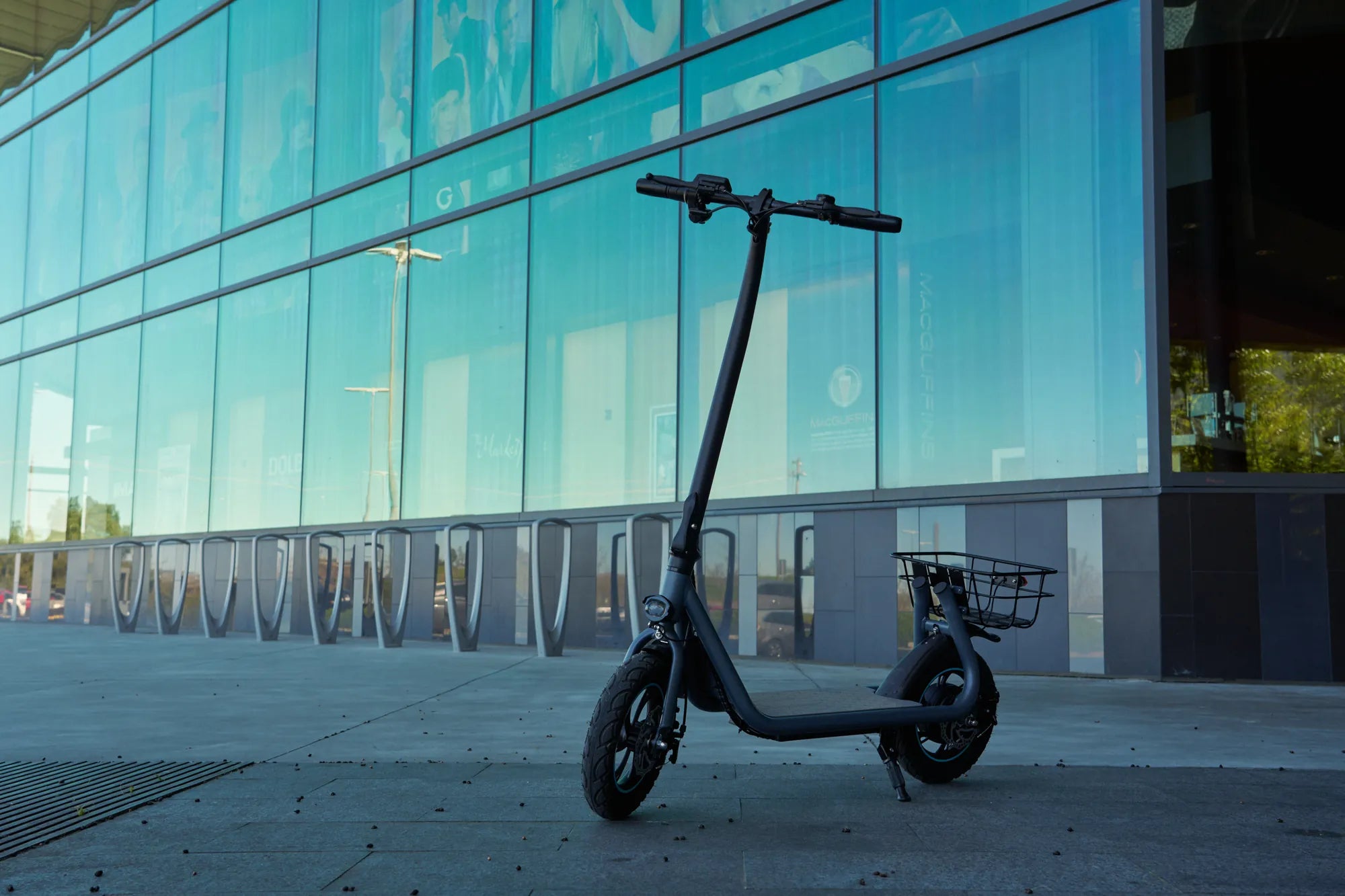
Redefining Urban Mobility with Electric Push Scooters
Urban commuters face a universal dilemma: the need for a mode of transport that is fast, affordable, reliable, and doesn't contribute to gridlock. The electric push scooter for adults has emerged as the definitive answer. No longer a novelty or toy, modern e-scooters are engineered vehicles designed to solve the core challenges of city travel. They represent a paradigm shift in how we conceptualize short-distance travel, merging the convenience of personal transport with the efficiency of micro-mobility.
The statistics are compelling. In dense urban corridors, the average car speed often drops below 15 mph, while trips under five miles constitute a massive portion of daily traffic. Electric push scooters for adults directly target this inefficiency. They offer door-to-door travel at consistent speeds, eliminating the variables of traffic jams, parking searches, and crowded transit delays. This isn't just about a new gadget; it's about reclaiming time, reducing expense, and minimizing environmental impact with a single, intelligent choice.
This article will serve as your comprehensive resource. We will dissect the anatomy of a commuter-grade scooter, providing clarity on specifications that matter. A detailed, data-driven comparison will quantify the advantages over traditional transport. Finally, a practical buyer's guide will empower you to select a model, like those from trusted brands such as Gyroor, that offers not just performance but the durability and safety required for daily use. The era of the electric push scooter as the ultimate urban commuting solution is here.
The Anatomy of a Modern Commuter Scooter: Key Features Explained
Understanding the core components of an electric scooter is crucial to making an informed purchase. These elements directly determine performance, safety, and suitability for your daily routine. A commuter-grade scooter is defined by its robust motor, reliable battery, and durable, portable frame.
Motor Power & Performance: What 350W vs. 500W Really Means
Motor wattage is the primary indicator of a scooter's capability. A 350-watt motor is typically sufficient for flat urban landscapes, providing speeds up to 15-18 mph and enough torque for smooth acceleration from stops. It's an efficient choice for riders on primarily level terrain.
For cities with bridges, overpasses, or gentle hills, a 500-watt or higher motor is recommended. This extra power ensures consistent speed on inclines without straining the motor, leading to better longevity. It also offers stronger acceleration, which can be a safety feature when merging with traffic from a standstill.
Battery & Range: Decoding Voltage, Amp-Hours, and Real-World Mileage
Battery specifications can be confusing. Voltage (e.g., 36V, 48V) relates to power and potential top speed, while amp-hour (Ah) capacity indicates energy storage. Multiply voltage by amp-hours to get watt-hours (Wh), a more direct measure of total energy. A 36V 10.4Ah battery has 374 Wh.
Manufacturer range claims are based on ideal conditions: a lightweight rider on flat ground at low speed. Real-world mileage is affected by rider weight, hills, frequent stops, temperature, and tire pressure. A scooter advertised for 20 miles may reliably achieve 12-15 miles for a 180 lb rider in a city. Safety is paramount; brands like Gyroor use UL-certified battery packs, which undergo rigorous testing for stability and longevity over 500+ charge cycles, mitigating fire risk.
Build & Portability: Frame Materials and Folding Mechanisms
The frame must balance strength and weight. Aerospace-grade aluminum is the industry standard, offering an excellent strength-to-weight ratio and corrosion resistance. The folding mechanism is equally critical for a true commuting tool.
A secure, single-lever fold allows you to transition from riding to carrying in seconds. This enables seamless multi-modal travel—riding to a train station, folding the scooter, boarding the train, and unfolding for the final leg. A well-designed latch system ensures the scooter stays compact and safe when carried or stored under a desk.
Why an E-Scooter Beats Other Commute Options: A Data-Driven Comparison
The value proposition of an electric push scooter for adults becomes crystal clear when analyzed alongside traditional alternatives. The advantages span financial, temporal, and environmental categories, making a compelling case for adoption.
| Commute Option | Avg. Upfront Cost | Annual Operating Cost* | Avg. Door-to-Door Time (3-mile trip) | CO2 Emissions (grams per mile) |
|---|---|---|---|---|
| Electric Push Scooter | $500 - $1,200 | $25 (electricity) | 12-15 minutes | ~40 (grid-dependent) |
| Personal Car | $20,000+ | $9,282 (AAA avg.) | 20-45+ minutes | ~404 |
| Public Transit | N/A (fare) | $1,200 (avg. fare) | 25-40 minutes | ~177 |
| Traditional Bicycle | $300 - $800 | Negligible | 15-20 minutes | 0 |
*Car cost includes fuel, maintenance, insurance, depreciation, parking. Scooter cost assumes minimal maintenance.
Cost-Per-Mile Analysis: Scooter vs. Car vs. Public Transit
The financial argument is overwhelming. After the initial purchase, an e-scooter's operating cost is almost negligible—pennies per charge. Contrast this with the AAA's estimated average yearly cost of owning and operating a new car, which exceeds $9,000. Even public transit fares, which seem low daily, accumulate to hundreds or thousands annually.
Parking fees in metropolitan areas can alone justify an e-scooter purchase. The ability to bypass paid lots and park legally on a sidewalk rack eliminates a major urban expense and headache. For a commuter, the scooter often pays for itself within a few months when replacing car or transit use.
Time Efficiency in City Centers: The Last-Mile Advantage
Time is the ultimate non-renewable resource. In congested downtown cores, e-scooters consistently outperform cars for trips under five miles. They use bike lanes and pathways to bypass standstill traffic. For public transit users, they solve the "last-mile problem"—the often-inconvenient distance between the station and final destination.
This seamless integration turns a fragmented, multi-stage commute into a fluid, door-to-door journey. The predictability of travel time increases, reducing daily stress. The electric push scooter for adults effectively shrinks the city, making previously marginal errands or social visits quick and effortless.
Environmental Impact: Carbon Footprint and Urban Congestion
While not zero-emission (due to electricity generation), e-scooters have a dramatically lower carbon footprint per passenger mile than single-occupancy vehicles. Their widespread adoption directly reduces traffic volume, which lowers city-wide emissions, decreases noise pollution, and frees up public space currently dominated by parked cars.
Each scooter commuter represents one less car contributing to rush hour gridlock. This collective shift can improve air quality and urban livability. Furthermore, their small physical footprint and quiet operation make them a considerate choice for shared urban spaces.
Choosing Your Commuter Partner: A Buyer's Guide Focused on Reliability
Selecting the right electric push scooter for adults requires matching specifications to your lifestyle. Prioritizing reliability and safety ensures your scooter is a long-term asset, not a disposable toy.
Safety First: Braking Systems, Lights, and Water Resistance
Effective braking is non-negotiable. A combination of electronic (regenerative) braking and a mechanical brake (disc or drum) on the other wheel provides redundancy and strong stopping power. Lighting is equally critical: a bright front headlight and a rear brake light are essential for being seen at dawn, dusk, or night.
Water resistance, indicated by an IP rating, determines all-weather capability. An IPX4 rating can handle light splashes, but for true commuter readiness, look for IPX5 or higher. This rating, as found on Gyroor models, means the scooter can withstand water jets from any direction, allowing you to ride confidently on wet pavement after a rain shower.
Warranty and Support: The Value of Peace of Mind
A comprehensive warranty is the brand's vote of confidence in its product. A one-year warranty covering the motor, battery, and frame is a strong baseline. It signals an expectation of durability under daily use. Equally important is accessible customer support.
Brands that invest in robust warranty programs and responsive support, like Gyroor with its 1-year comprehensive warranty, demonstrate a commitment to the rider's long-term satisfaction. This peace of mind is invaluable when your scooter is a primary commuting tool.
Matching a Scooter to Your Commute: A Simple Checklist
- Distance: Calculate your daily round-trip mileage. Choose a scooter with a real-world range that exceeds this by at least 30% to account for battery degradation and errands.
- Terrain: Identify any steep hills on your route. If present, opt for a motor of 500W or more.
- Portability: Will you need to carry it upstairs, onto a bus, or store it under a desk? Test the folded weight and dimensions.
- Conditions: Will you ride in wet weather? Ensure an IPX5 or higher water resistance rating.
- Budget: Allocate funds not just for purchase, but for a quality helmet and potential accessories like a secure lock.
Beyond the Commute: Expanding Your E-Scooter Utility
The utility of a reliable electric push scooter for adults extends far beyond the morning and evening commute. Its versatility transforms it into a multi-purpose tool for daily life, enhancing convenience and enjoyment.
Errands and Local Exploration: Replacing Short Car Trips
Many car trips are under two miles—a perfect distance for an e-scooter. Quick grocery runs, coffee pickups, or trips to the post office become faster and more enjoyable. A simple handlebar bag or basket can carry a surprising amount. This habit not only saves money on fuel but also reduces local traffic and parking hassle.
Exploration is another key benefit. An e-scooter allows you to effortlessly cover more ground in your own neighborhood or a new part of the city, discovering parks, cafes, and shops that might be just beyond comfortable walking distance. It encourages a more engaged and local lifestyle.
Leisure and Fitness: A Low-Impact Alternative
While motorized, e-scooters can still offer light physical activity. The "push-to-start" feature common on many models requires a manual kick-off, engaging core and leg muscles. Using kick-assist on flats or gentle downhills provides a low-impact workout.
Perhaps more significant are the mental health benefits. A scenic ride along a river path or through a park provides a sense of freedom and fun, reducing stress. It’s an accessible form of outdoor recreation that doesn't require the exertion or sweat of cycling, making it appealing for casual leisure.
Frequently Asked Questions (FAQ) for New Riders
Q: How safe are electric scooters on city streets?
A: Safety is a combination of vehicle quality, rider behavior, and infrastructure. Choose a scooter with dual braking, bright lights, and good tires. Always wear a helmet, obey traffic laws, ride in bike lanes where available, and be hyper-aware of your surroundings. Defensive riding is essential.
Q: Do I need a license or insurance to ride one?
A> In most U.S. states and cities, a driver's license is not required for electric scooters under a certain power threshold (typically 750W). Insurance is also generally not mandatory, but it's wise to check your local municipal regulations, as they vary widely and are evolving rapidly.
Q: How do I maintain my scooter for longevity?
A> Regular maintenance is simple but crucial. Keep tires properly inflated, periodically check and tighten bolts, keep the scooter clean (especially the brake contact areas), and avoid storing it in extreme temperatures. Follow the manufacturer's charging guidelines—avoid draining the battery to 0% or leaving it at 100% for extended periods.
Q: Can I ride it in the rain?
A> This depends entirely on the scooter's IP water resistance rating. A model with an IPX5 rating, like several from Gyroor, is built to withstand water jets and is safe for riding on wet roads and in light rain. However, avoid deep puddles, and never submerge any part of the scooter. Scooters with lower or no IP rating should be kept dry.
Q: What's the true average lifespan of a commuter e-scooter?
A> With proper care and maintenance, a quality commuter scooter can last 3-5 years or more. The battery is typically the first component to degrade, with a lifespan of 2-4 years (500-1000 charge cycles) before it may hold significantly less charge. Investing in a model with a UL-certified, high-quality battery from the start, like those used by Gyroor, maximizes both safety and longevity.
Embracing a Smarter, Greener Way to Move
The evidence is conclusive: the electric push scooter for adults is a transformative tool for modern urban living. It delivers unparalleled efficiency for short-distance travel, slashes commuting costs, reduces environmental impact, and injects a sense of practicality and fun into daily routines. The shift from viewing it as recreational equipment to recognizing it as a legitimate, primary commuting vehicle is complete.
This transition demands a corresponding shift in consumer choice. Opting for a scooter built with commuter-grade components—UL-certified batteries, robust motors, IPX5 water resistance, and backed by a substantive warranty—is an investment in reliable, daily mobility. Brands that prioritize these features, such as Gyroor with its commitment to safety and support for over 100,000 riders, offer products designed for the rigors of real-world use.
The future of urban transport is multimodal, electric, and personal. By choosing a high-quality electric push scooter, you are not just buying a product; you are adopting a smarter, more sustainable, and more enjoyable way to navigate your city. It's a step towards less congestion, cleaner air, and more reclaimed time in your day.
Ready to transform your commute? Explore a range of reliable, UL-certified models engineered for daily use. Browse the full Gyroor collection at gyroorboard.com to find your ultimate urban commuting solution.
Are You Allowed to Use Electric Scooters on the Road? The Ultimate Guide to Legal Riding
Swappable Battery Technology in 2W Electric Scooters: The Future of Urban Mobility