


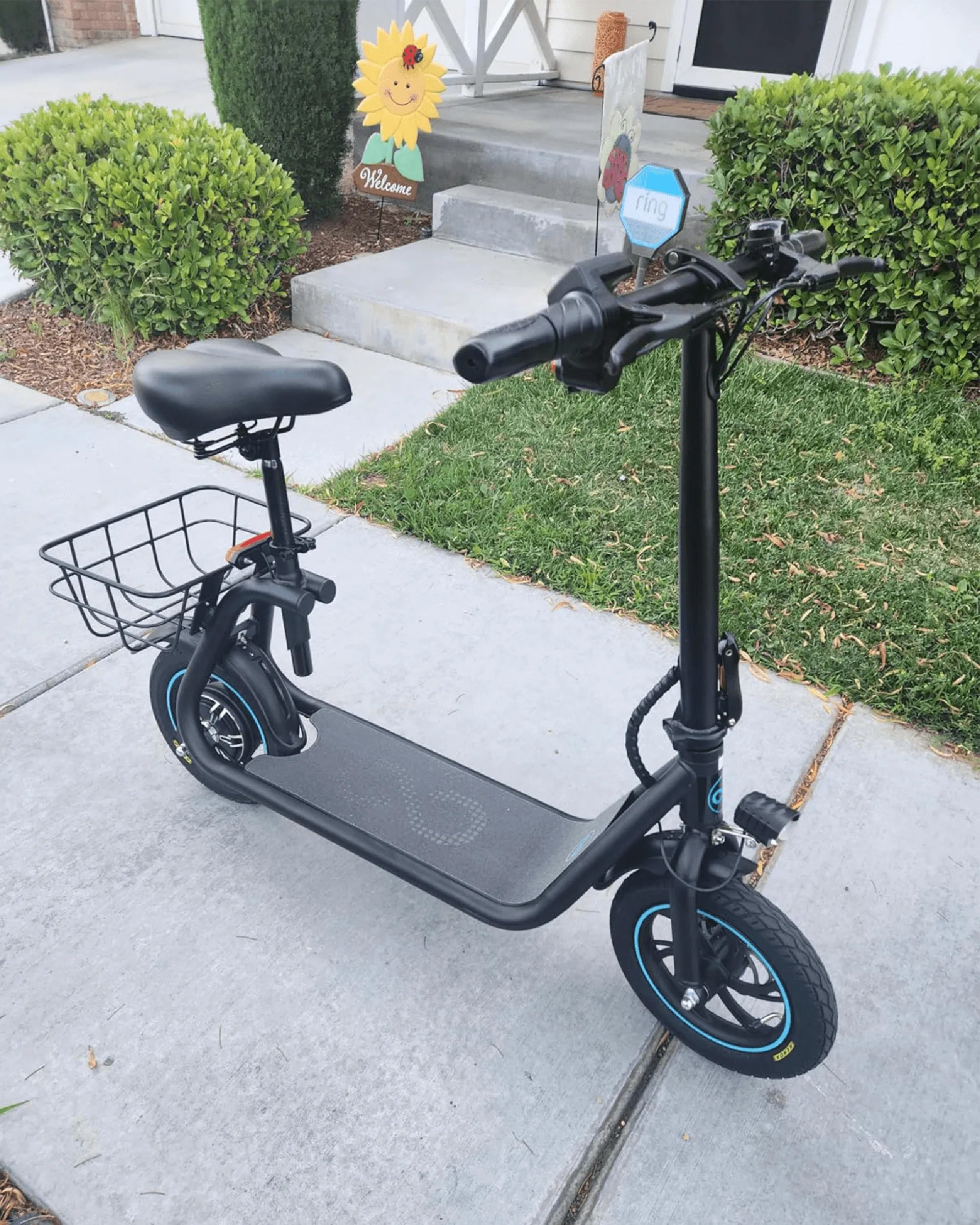
Charging your electric scooter battery at home might seem straightforward, but doing it the right way can make a huge difference in performance, safety, and longevity. Whether you're a daily commuter or an occasional rider, understanding the ins and outs of home charging will help you get the most out of your scooter.
Why Proper Charging Matters
Electric scooter batteries are a significant investment, and improper charging can lead to reduced lifespan, poor performance, or even safety hazards. Overcharging, undercharging, or using the wrong charger can damage the battery cells, leading to costly replacements. By following best practices, you can ensure your battery stays healthy for years.
Understanding Your Battery Type
Most electric scooters use lithium-ion (Li-ion) or lithium-polymer (LiPo) batteries due to their high energy density and lightweight properties. These batteries require specific charging protocols to prevent overheating or swelling. Always refer to your scooter's manual to confirm the battery type and recommended charging procedures.
Choosing the Right Charger
Using the manufacturer-provided charger is crucial, as third-party chargers may not match the required voltage and current specifications. A mismatched charger can cause overcharging, overheating, or even battery failure. If you need a replacement, ensure it meets the exact specifications of your scooter's battery.
Optimal Charging Conditions
Charge your scooter in a cool, dry place away from direct sunlight or extreme temperatures. High heat can degrade battery cells, while cold temperatures can slow down charging efficiency. Avoid charging on flammable surfaces and always keep the charging area well-ventilated.
Charging Duration and Frequency
Most electric scooter batteries take 4-8 hours to fully charge, depending on capacity. Avoid leaving the battery plugged in overnight, as overcharging can reduce its lifespan. Instead, unplug it once fully charged. For daily use, partial charges (between 20% and 80%) are better than full discharges, as they help maintain battery health.
Safety Precautions
Never leave your scooter charging unattended for long periods. Inspect the charger and battery for damage before each charge. If you notice swelling, unusual heat, or a burning smell, stop charging immediately and consult a professional. Using a surge protector can also prevent electrical hazards.
Extending Battery Lifespan
To maximize your battery's lifespan, avoid deep discharges and store it at around 50% charge if not in use for extended periods. Regularly check for firmware updates, as some scooters have battery management systems that optimize charging cycles.
Troubleshooting Common Issues
If your scooter battery isn't holding a charge, check the connections, charger, and outlet first. Sometimes, a simple reset or firmware update can fix charging problems. If issues persist, contact a certified technician rather than attempting DIY repairs.
Mastering electric scooter battery charging at home ensures a smoother, safer ride while protecting your investment. With these tips, you'll keep your scooter running efficiently and avoid common pitfalls that shorten battery life.
Top Selling Off Road E Scooter: The Ultimate Guide for Adventure Seekers
Amaron Battery for Bike: The Ultimate Guide to Long-Lasting Performance