



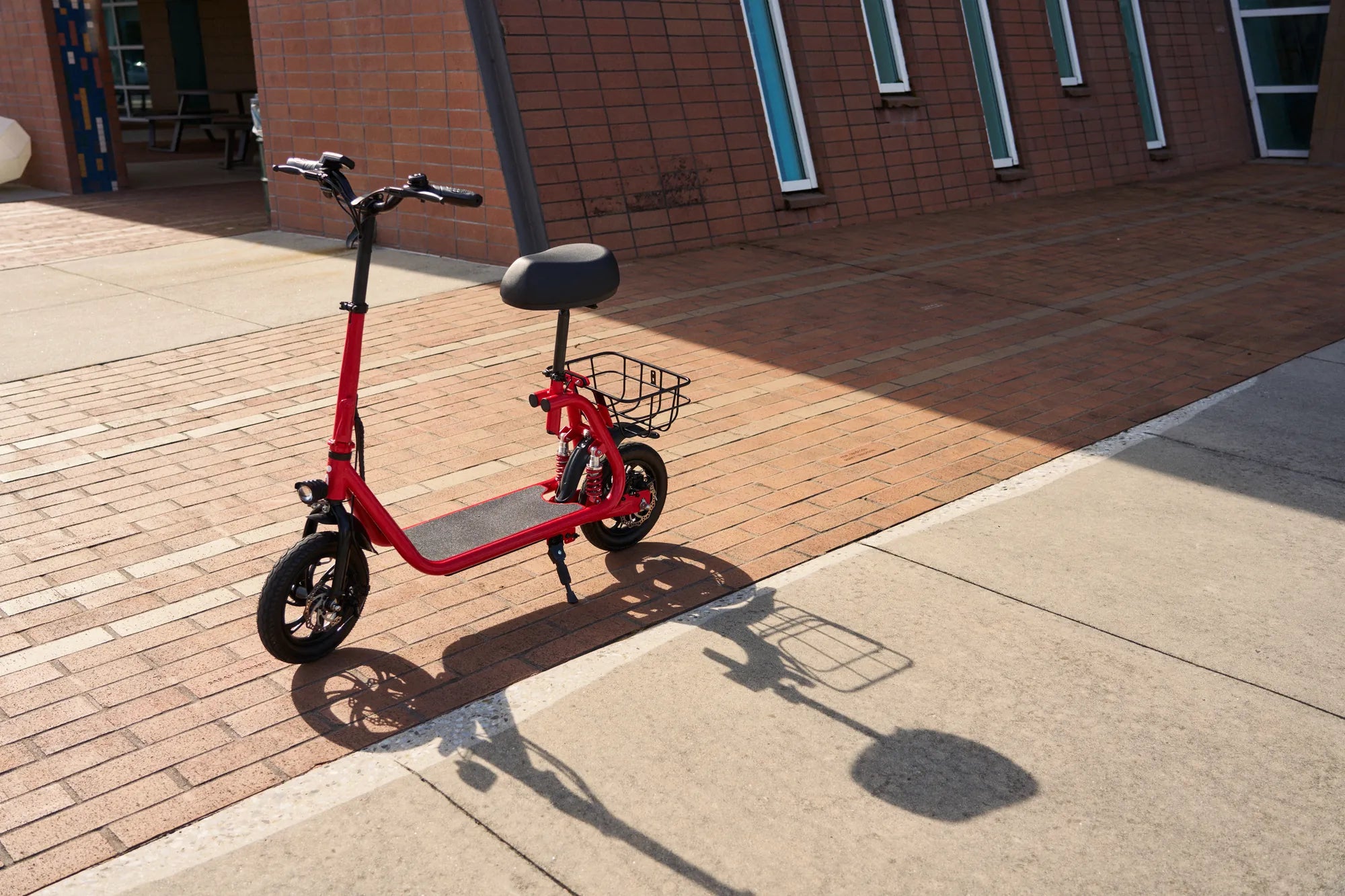
Electric scooters have revolutionized urban mobility, offering a convenient and eco-friendly alternative to traditional transportation. At the heart of every electric scooter lies its battery, and understanding the role of kWh (kilowatt-hour) is essential for maximizing performance and longevity. Whether you're a daily commuter or a weekend rider, knowing how battery capacity affects your ride can make all the difference.
What Is kWh in Electric Scooter Batteries?
The term kWh (kilowatt-hour) measures the energy capacity of an electric scooter battery. It represents the amount of energy the battery can deliver over one hour. A higher kWh rating generally means a longer range, but other factors like weight, terrain, and riding style also play a role.
How Battery kWh Affects Range and Performance
Range is one of the most critical considerations for electric scooter riders. A battery with a higher kWh can store more energy, allowing you to travel farther on a single charge. For example, a 0.5 kWh battery might offer a range of 20-30 miles, while a 1 kWh battery could extend that to 40-60 miles under optimal conditions.
However, performance isn't just about capacity. Efficiency matters too. Factors like motor power, aerodynamics, and tire pressure influence how effectively the battery's energy is used. A well-maintained scooter with a lower kWh battery might outperform a neglected one with a higher capacity.
Balancing Battery Capacity and Weight
While a larger kWh battery provides extended range, it also adds weight. Heavier batteries can reduce maneuverability and increase charging times. Riders must strike a balance between capacity and portability based on their needs. For short commutes, a lighter battery may suffice, while long-distance travelers might prioritize higher kWh ratings.
Tips to Maximize Electric Scooter Battery Life
To get the most out of your electric scooter battery, follow these best practices:
- Avoid deep discharges: Try to recharge before the battery drops below 20%.
- Store properly: Keep the battery in a cool, dry place when not in use.
- Use the right charger: Always use the manufacturer-recommended charger to prevent overcharging.
- Monitor temperature extremes: Extreme heat or cold can degrade battery performance.
Future Trends in Electric Scooter Battery Technology
Advancements in battery technology continue to push the boundaries of what electric scooters can achieve. Solid-state batteries, faster charging solutions, and improved energy density are on the horizon, promising even greater efficiency and range. As these innovations become mainstream, riders can expect lighter, more powerful batteries with higher kWh ratings.
Choosing the right electric scooter battery kWh is a game-changer for your riding experience. Whether you prioritize range, speed, or portability, understanding battery capacity ensures you make an informed decision. Ready to unlock the full potential of your electric scooter? Start by optimizing your battery today!
Switch Smart Electric Scooter: The Future of Urban Mobility
Electric Scooter for 11 Year Old Nearby: A Parent's Guide to Safe and Fun Rides