



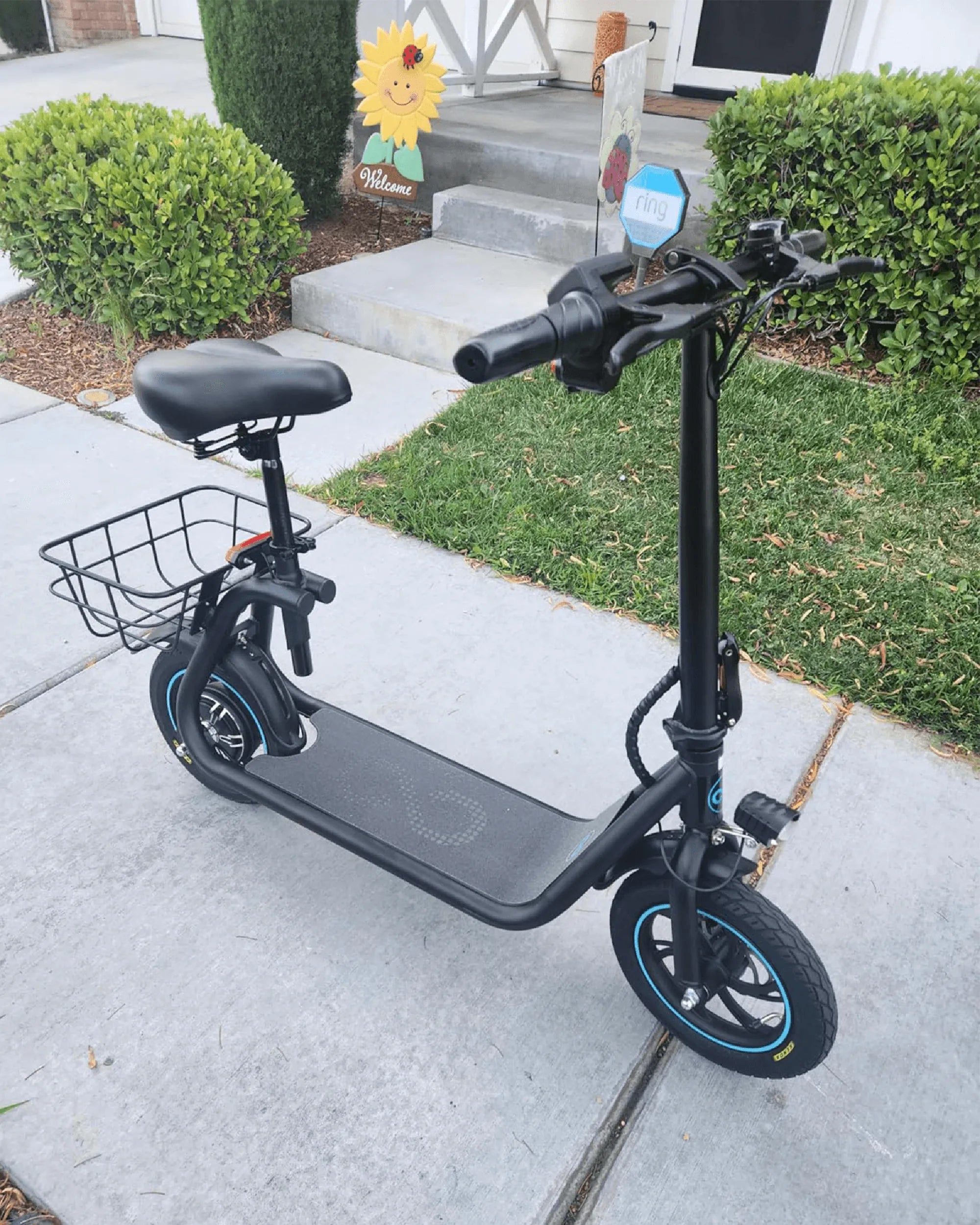
Electric scooters have become a popular mode of transportation, offering convenience and eco-friendly travel. But one of the most critical factors to consider before purchasing an electric scooter is battery life. How long can you ride before needing a recharge? Which models offer the best endurance? This electric scooter battery life comparison will help you make an informed decision.
Understanding Electric Scooter Battery Types
Not all batteries are created equal. The most common types of batteries used in electric scooters are:
- Lithium-ion (Li-ion): Lightweight, long-lasting, and fast-charging, these are the most popular choice for modern electric scooters.
- Lead-acid: Heavier and less efficient, but more affordable. These are often found in budget models.
- Nickel-metal hydride (NiMH): A middle-ground option, though less common in newer scooters.
Lithium-ion batteries generally offer the best performance, with longer lifespans and higher energy density. If you're comparing electric scooter battery life, prioritize models with Li-ion batteries.
Key Factors Affecting Battery Life
Several variables influence how long an electric scooter battery lasts:
- Battery Capacity (Wh): Measured in watt-hours, this indicates how much energy the battery can store. Higher capacity means longer range.
- Motor Power (W): More powerful motors drain the battery faster.
- Rider Weight: Heavier riders put more strain on the battery, reducing range.
- Terrain: Hills and rough surfaces decrease efficiency.
- Speed: Riding at top speed consumes more energy.
- Temperature: Extreme cold or heat can reduce battery performance.
When comparing electric scooter battery life, consider these factors to estimate real-world performance.
How to Compare Battery Life Effectively
Manufacturers often list a scooter's range under ideal conditions, but real-world usage may differ. Here's how to make a fair comparison:
- Check the Battery Capacity: Look for the watt-hour (Wh) rating rather than just voltage or amp-hours.
- Read User Reviews: Actual riders can provide insights into real-world battery performance.
- Consider Charging Time: Some batteries recharge faster, which can be a significant advantage.
- Look for Battery Management Systems (BMS): A good BMS protects the battery and optimizes performance.
By focusing on these details, you can make a more accurate electric scooter battery life comparison.
Tips to Extend Your Electric Scooter's Battery Life
Even the best battery will degrade over time, but proper care can maximize its lifespan:
- Avoid Full Discharges: Try to recharge before the battery drops below 20%.
- Store Properly: Keep the scooter in a cool, dry place when not in use.
- Use the Right Charger: Always use the manufacturer-recommended charger.
- Limit High-Speed Riding: Moderate speeds conserve battery power.
Following these practices will help you get the most out of your electric scooter's battery.
Real-World Battery Performance Examples
While we won't mention specific brands, here are general examples of how different battery capacities perform:
- 250Wh Battery: Suitable for short commutes (~10-15 miles per charge).
- 500Wh Battery: Ideal for moderate distances (~20-30 miles per charge).
- 750Wh+ Battery: Best for long rides (~40-50 miles per charge).
Your actual range will vary based on the factors discussed earlier, but these benchmarks can guide your electric scooter battery life comparison.
Choosing the right electric scooter with optimal battery life can transform your daily commute or leisure rides. With the insights from this electric scooter battery life comparison, you're now equipped to pick a model that matches your needs and ensures you never run out of power mid-journey.
Electric Scooter 60 km Range Price: What You Need to Know Before Buying
Mountain Biking at Night: An Unforgettable Adventure Under the Stars