

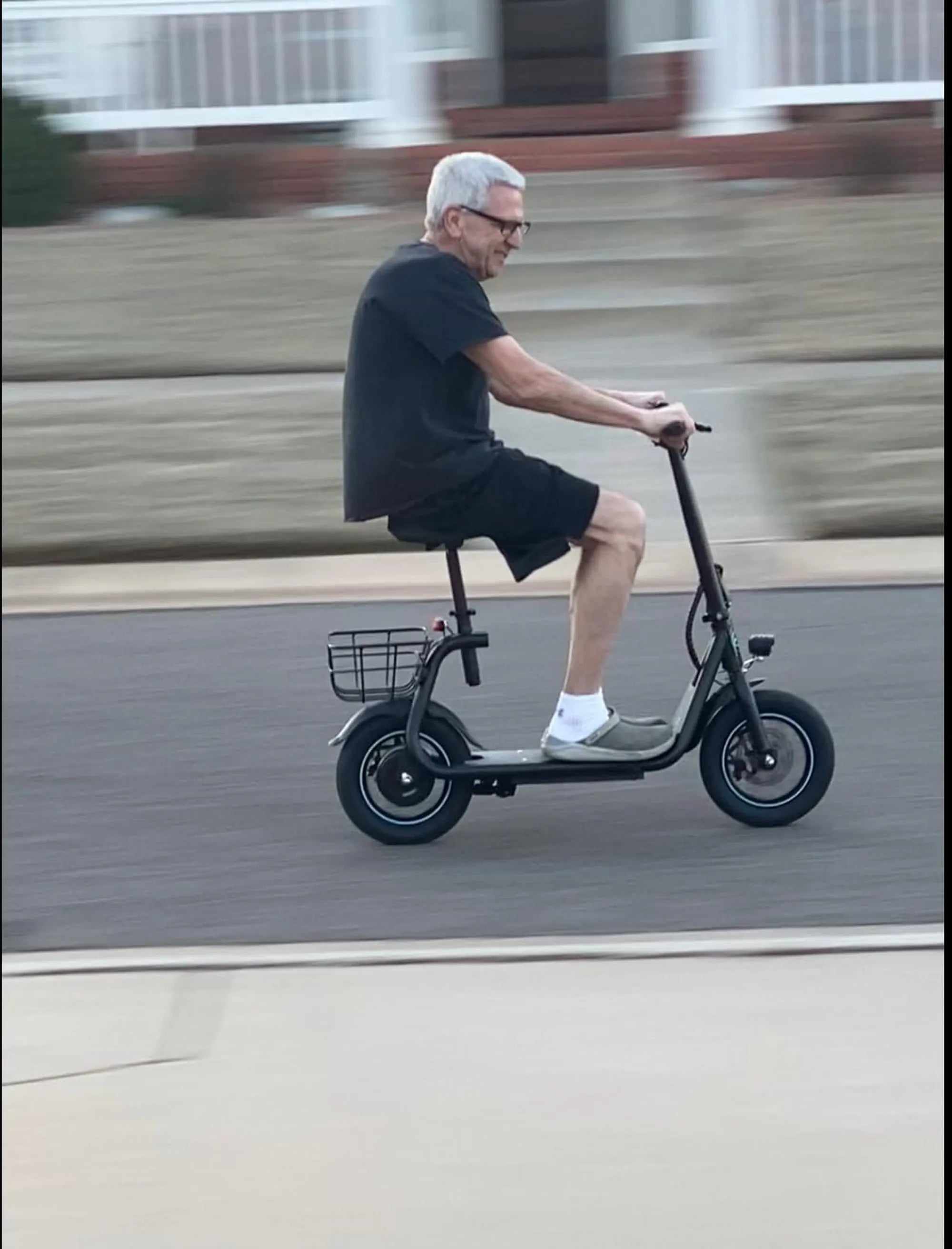
Electric scooter bikes are rapidly transforming the way people navigate cities, offering a blend of convenience, sustainability, and affordability. As urban areas become more congested and environmental concerns grow, these compact vehicles are emerging as a practical solution for short-distance travel. Whether you're commuting to work, running errands, or exploring your neighborhood, an electric scooter bike provides a fun and efficient way to get around.
The Rise of Electric Scooter Bikes
Over the past decade, electric scooter bikes have gained immense popularity worldwide. Their compact design, ease of use, and zero-emission operation make them an attractive alternative to traditional gasoline-powered vehicles. Cities are increasingly adopting shared scooter programs, further boosting their visibility and accessibility. With advancements in battery technology and motor efficiency, modern electric scooter bikes offer longer ranges and faster speeds, making them viable for daily commutes.
Benefits of Electric Scooter Bikes
One of the biggest advantages of electric scooter bikes is their environmental friendliness. Unlike cars, they produce no direct emissions, helping to reduce air pollution and combat climate change. They also require significantly less energy to operate, making them a cost-effective option for budget-conscious riders. Additionally, their small size allows for easy parking and maneuverability in crowded urban environments, saving time and reducing stress.
Cost Savings
Owning an electric scooter bike can lead to substantial savings over time. With lower maintenance costs, no fuel expenses, and often no need for insurance or registration, they are far more economical than cars or motorcycles. Many models are also eligible for government incentives or tax credits, further reducing the upfront cost.
Health and Convenience
While electric scooter bikes are motorized, they still encourage physical activity, especially for those who opt for models with pedal-assist features. They provide a middle ground between walking and driving, allowing riders to cover longer distances without excessive exertion. Their portability and lightweight design make them easy to carry onto public transportation or store in small apartments.
Challenges and Considerations
Despite their many benefits, electric scooter bikes are not without challenges. Safety concerns, such as accidents involving pedestrians or other vehicles, have prompted calls for stricter regulations. Battery life and charging infrastructure can also be limiting factors, particularly in areas with limited access to charging stations. Additionally, theft and vandalism remain common issues, especially in shared scooter programs.
Regulatory Landscape
Different cities have varying laws regarding the use of electric scooter bikes. Some require helmets, while others impose speed limits or restrict riding on sidewalks. Riders should familiarize themselves with local regulations to avoid fines or legal issues. As the industry grows, policymakers are working to establish clearer guidelines to ensure safety and fairness for all road users.
The Future of Electric Scooter Bikes
The electric scooter bike market is poised for continued growth, driven by technological innovations and increasing demand for sustainable transportation. Future models may feature swappable batteries, improved safety systems, and even autonomous capabilities. As cities invest in better infrastructure, such as dedicated bike lanes and charging stations, electric scooter bikes will become an even more integral part of urban mobility.
Electric scooter bikes are more than just a trend—they represent a shift toward smarter, greener cities. Whether you're a daily commuter or a weekend explorer, these versatile vehicles offer a glimpse into the future of transportation. Ready to join the revolution? There's never been a better time to hop on an electric scooter bike and experience the ride of tomorrow.
700W Dual Wheel Self Balancing Scooter: The Future of Urban Mobility
5400W Electric Scooter: The Ultimate Guide to Power and Performance