



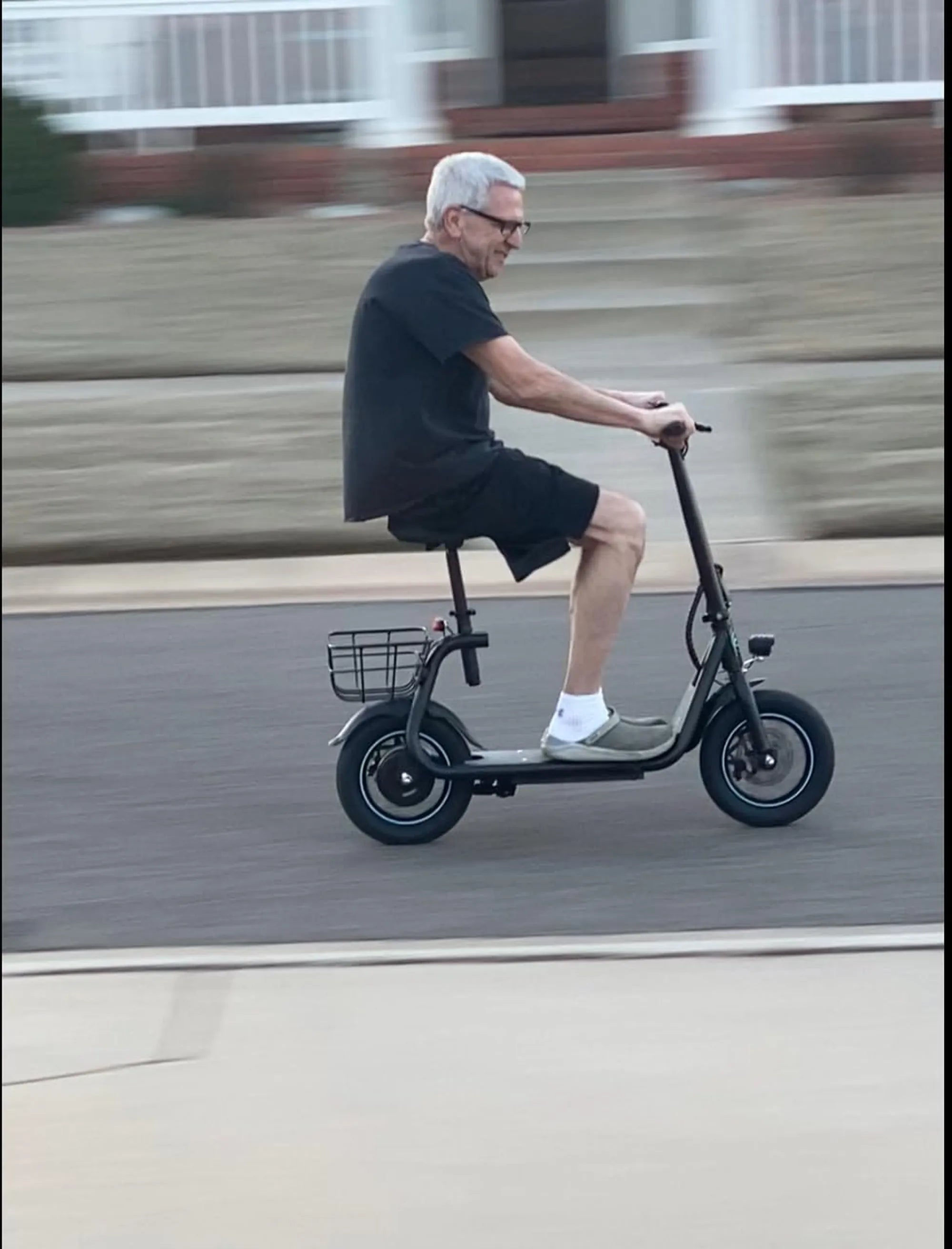
Riding an electric scooter is a thrilling experience, but nothing kills the fun faster than unreliable brakes. Whether you're a daily commuter or a weekend adventurer, knowing how to adjust your electric scooter brakes can mean the difference between a smooth stop and a dangerous situation. Let's dive into the world of brake maintenance and unlock the secrets to perfect stopping power.
Understanding Electric Scooter Brake Systems
Electric scooters typically use one of three brake systems: disc brakes, drum brakes, or electronic regenerative brakes. Each system requires different adjustment approaches, but they all share the same goal - providing consistent, reliable stopping power. Recognizing which system your scooter uses is the first step toward proper maintenance.
Disc Brakes: Precision Stopping Power
Disc brake systems consist of a metal rotor attached to the wheel and calipers that squeeze brake pads against this rotor. The main adjustment points include:
- Brake pad alignment
- Cable tension (for mechanical disc brakes)
- Hydraulic fluid level (for hydraulic systems)
Drum Brakes: Low-Maintenance Reliability
Common on entry-level scooters, drum brakes are enclosed systems where brake shoes press outward against a rotating drum. Adjustments typically involve:
- Cable tension adjustment
- Brake shoe positioning
Signs Your Brakes Need Adjustment
Before reaching for your tools, learn to recognize these warning signs:
- Squeaking or grinding noises during braking
- Brake lever touching the handlebar when fully squeezed
- Noticeable decrease in stopping power
- Uneven braking between front and rear wheels
- Brakes that feel either too loose or too tight
Tools You'll Need for Brake Adjustment
Gather these essential tools before starting:
- Allen wrenches (multiple sizes)
- Adjustable wrench
- Phillips and flathead screwdrivers
- Clean rags
- Brake cleaner (for disc systems)
- Torque wrench (recommended)
Step-by-Step Brake Adjustment Guide
Adjusting Mechanical Disc Brakes
Follow these steps for optimal disc brake performance:
- Loosen the caliper mounting bolts slightly
- Squeeze the brake lever to center the caliper
- While holding the lever, tighten the bolts
- Adjust cable tension using the barrel adjuster
- Test brake responsiveness and repeat if necessary
Tuning Drum Brakes
For drum brake systems:
- Locate the adjustment nut near the brake lever or wheel hub
- Turn the nut clockwise to increase tension
- Test the lever feel after each adjustment
- Ensure the wheel spins freely without drag
Advanced Brake Maintenance Tips
Take your brake maintenance to the next level with these pro techniques:
- Regularly clean brake surfaces with appropriate cleaners
- Check for pad wear monthly (replace if below 1mm thickness)
- Lubricate pivot points (but never the braking surfaces)
- Bleed hydraulic systems annually or when sponginess occurs
Safety Considerations
Never compromise on these safety aspects:
- Always test brakes at low speed first
- Wear protective gear during adjustments
- Ensure proper lighting when working
- Double-check all fasteners after adjustments
- When in doubt, consult a professional mechanic
Troubleshooting Common Brake Issues
Solve these frequent brake problems:
- Squeaky brakes: Clean rotors/pads or replace if contaminated
- Spongy lever feel: May indicate air in hydraulic systems
- Uneven braking: Check for stuck calipers or uneven pad wear
- Excessive lever travel: Adjust cable tension or bleed system
Mastering electric scooter brake adjustment transforms your ride from potentially hazardous to reliably exhilarating. With these techniques in your maintenance toolkit, you'll enjoy confident stops and extended brake life. Remember, well-adjusted brakes don't just protect you - they make every ride smoother and more enjoyable. Now grab your tools and give your scooter the stopping power it deserves!
Why Does My Electric Scooter Keep Beeping? Troubleshooting Guide
Small Portable Electric Scooter: The Ultimate Urban Commuting Solution