

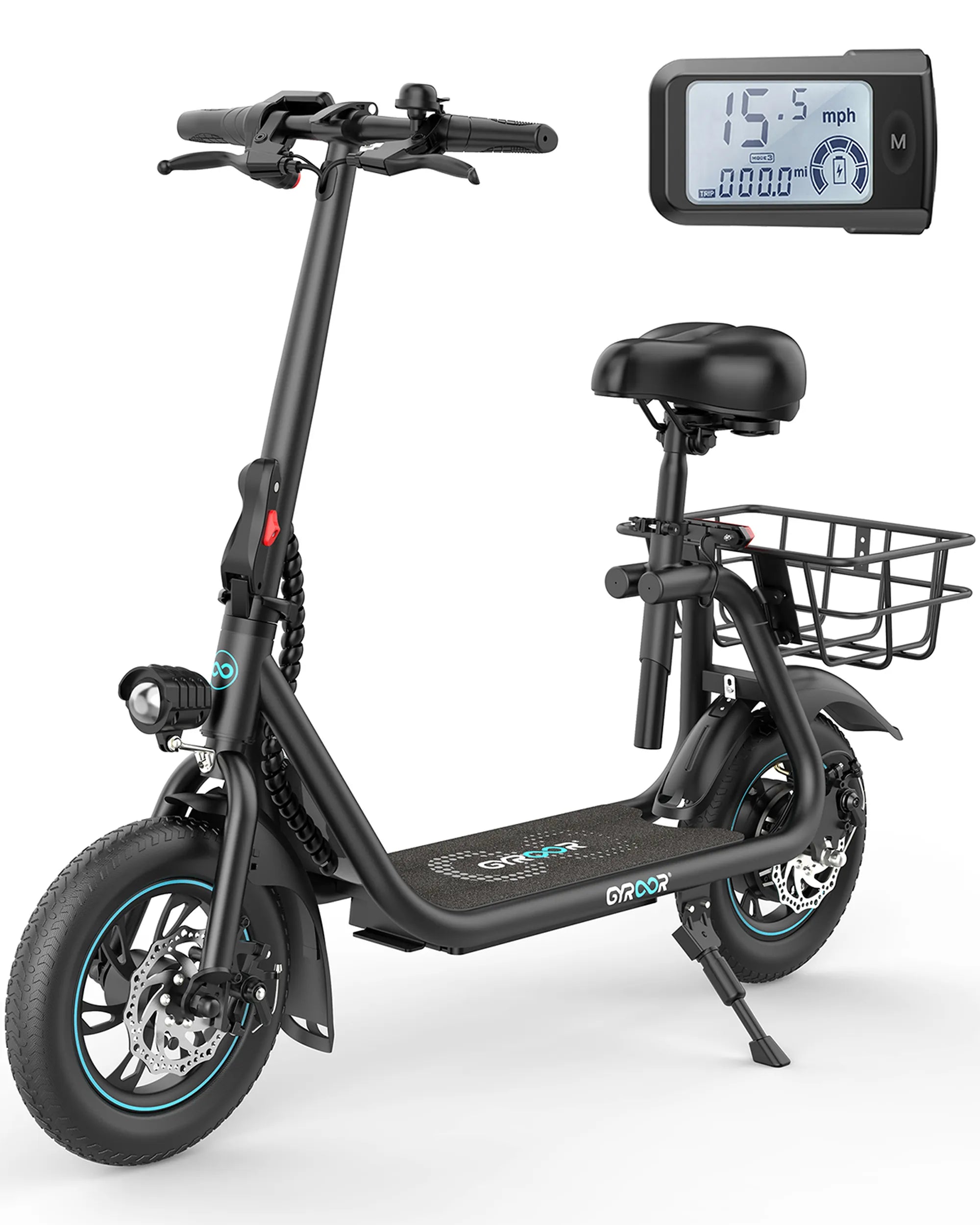
Electric scooters have revolutionized urban mobility, offering a convenient and eco-friendly way to navigate busy streets. However, one common challenge riders face is the limited range of their scooter's charger. This is where an electric scooter charger extension comes into play. Whether you're a daily commuter or an occasional rider, understanding how to safely and effectively use a charger extension can make all the difference in your riding experience.
Why You Might Need an Electric Scooter Charger Extension
Electric scooters are designed with portability in mind, but their built-in chargers often have short cables. This can be problematic if your nearest power outlet is far from where you park your scooter. An electric scooter charger extension allows you to reach distant outlets without straining the original charger. It's especially useful in shared living spaces, offices, or public charging stations where outlets may not be conveniently located.
Safety Considerations for Using a Charger Extension
Safety should always be your top priority when dealing with electrical devices. Not all extension cords are suitable for charging electric scooters. Here are some key safety tips:
- Use a Heavy-Duty Extension Cord: Standard household extension cords may not handle the power load required by electric scooter chargers. Opt for a heavy-duty cord with a sufficient amperage rating.
- Avoid Overheating: Ensure the extension cord is not coiled or covered, as this can trap heat and pose a fire hazard.
- Check for Damage: Regularly inspect the extension cord for frayed wires or exposed conductors. Damaged cords should be replaced immediately.
Maximizing Charging Efficiency
Using an electric scooter charger extension doesn't have to slow down your charging time. To maintain efficiency:
- Keep the Extension Short: Longer cords can lead to voltage drops, which may affect charging speed. Use the shortest extension possible to reach your outlet.
- Minimize Connections: Avoid daisy-chaining multiple extensions, as this increases resistance and reduces efficiency.
- Monitor Charging Time: If your scooter takes significantly longer to charge with an extension, consider upgrading to a higher-quality cord.
Choosing the Right Extension for Your Scooter
Not all extensions are created equal. When selecting an electric scooter charger extension, consider the following factors:
- Voltage and Amperage Compatibility: Ensure the extension matches your scooter's charger specifications.
- Outdoor vs. Indoor Use: If you frequently charge outdoors, choose a weather-resistant extension cord.
- Length and Flexibility: Balance convenience with safety by choosing a cord that's long enough but not excessive.
Common Mistakes to Avoid
Many riders unknowingly make mistakes when using an electric scooter charger extension. Avoid these pitfalls:
- Using Low-Quality Cords: Cheap extensions may not handle the load, leading to overheating or failure.
- Ignoring Manufacturer Guidelines: Always follow your scooter's manual for charging recommendations.
- Leaving the Cord Unattended: While charging, keep an eye on the extension to detect any issues early.
Alternative Solutions to Charger Extensions
If an extension cord isn't the right fit for your needs, consider these alternatives:
- Portable Power Banks: Some scooters support external batteries for on-the-go charging.
- Wall-Mounted Outlets: Installing an outlet closer to your parking spot can eliminate the need for extensions.
- Solar Chargers: For eco-conscious riders, solar-powered charging stations are an emerging option.
Mastering the use of an electric scooter charger extension can transform your riding experience, ensuring you're never left with a dead battery. By prioritizing safety, efficiency, and the right equipment, you can enjoy uninterrupted rides and peace of mind. Ready to take your scooter charging game to the next level? Start by investing in the right tools and following these expert tips!
Electric Big Wheel Drift Trike: The Ultimate Adrenaline Rush on Three Wheels
Electric Bike Set Up: The Ultimate Guide to Getting Started