



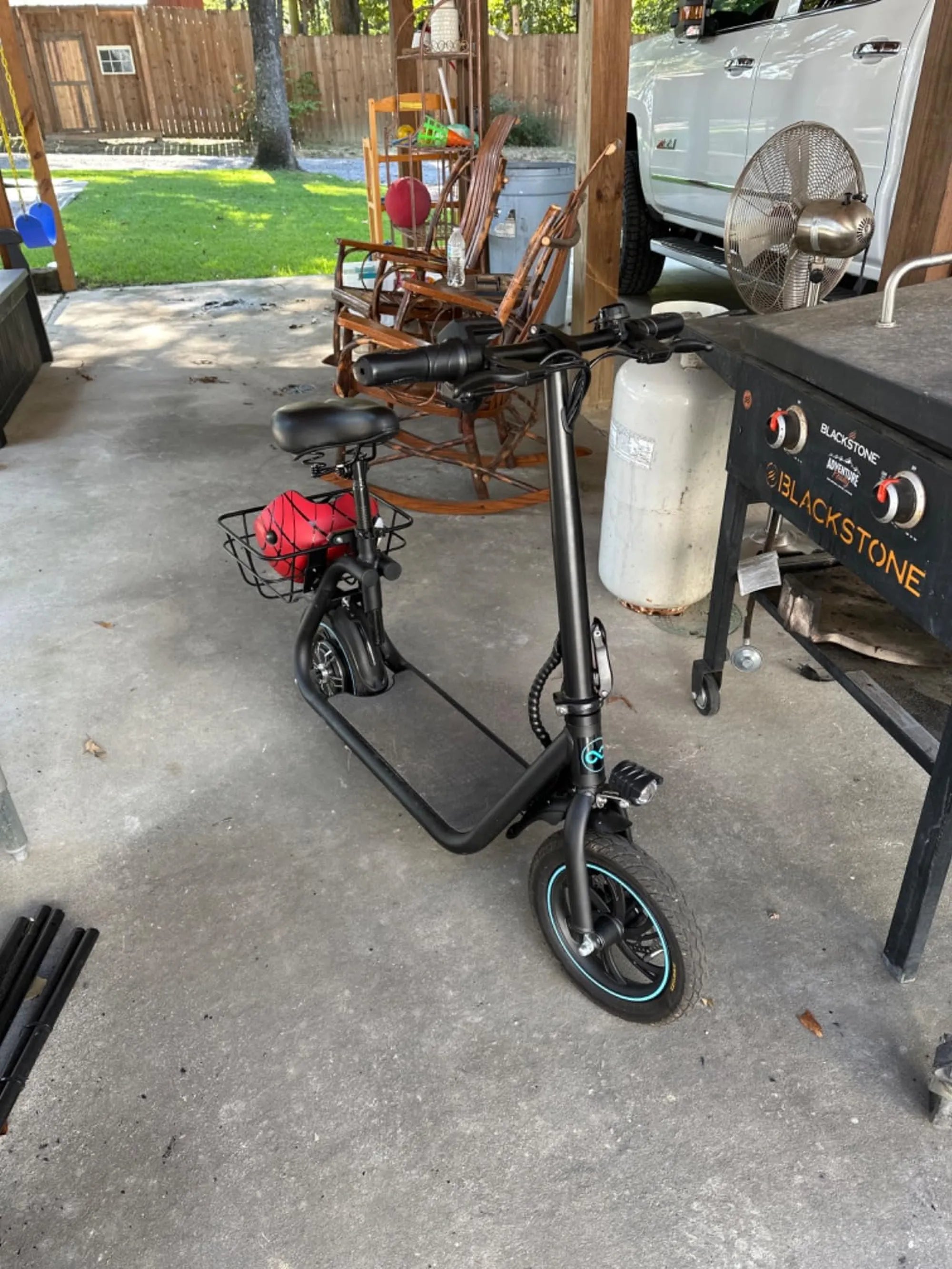
Electric scooters have revolutionized urban mobility, offering a convenient and eco-friendly way to navigate busy streets. But to keep your ride smooth and uninterrupted, understanding your electric scooter charger is crucial. Whether you're a daily commuter or a weekend rider, knowing how to charge your scooter efficiently can save you time, money, and even extend the life of your battery. Let's dive into the world of electric scooter chargers and uncover the secrets to optimal performance.
How Does an Electric Scooter Charger Work?
An electric scooter charger is designed to convert AC power from your wall outlet into DC power that your scooter's battery can store. Most chargers consist of a power adapter and a connector that plugs into your scooter. The charger regulates the voltage and current to ensure the battery charges safely and efficiently. Overcharging or undercharging can damage the battery, so modern chargers often include built-in safeguards to prevent these issues.
Types of Electric Scooter Chargers
Not all chargers are created equal. Here are the most common types you'll encounter:
- Standard Chargers: These are the most basic chargers, typically included with your scooter. They offer a steady charge but may take longer to fully power up your battery.
- Fast Chargers: Designed to reduce charging time, these chargers deliver higher current to the battery. However, frequent use can shorten battery lifespan.
- Smart Chargers: These advanced chargers monitor the battery's condition and adjust the charging rate accordingly, helping to prolong battery life.
Best Practices for Charging Your Electric Scooter
To get the most out of your electric scooter charger, follow these tips:
- Avoid Overcharging: Unplug the charger once the battery is full to prevent overheating and degradation.
- Charge in a Cool, Dry Place: Extreme temperatures can affect charging efficiency and battery health.
- Use the Right Charger: Always use the charger provided by the manufacturer or a compatible alternative to avoid damage.
- Don't Drain the Battery Completely: Lithium-ion batteries perform best when charged before they drop below 20%.
Safety Tips for Using an Electric Scooter Charger
Safety should always be a priority when charging your scooter. Keep these precautions in mind:
- Never leave your charger plugged in unattended for long periods.
- Avoid using damaged or frayed charging cables.
- Keep the charger away from water and flammable materials.
- If you notice unusual heat or smells during charging, unplug immediately and inspect the charger.
Maximizing Battery Life with Proper Charging
Your charging habits play a significant role in how long your scooter's battery lasts. Here's how to extend its lifespan:
- Partial Charging: Frequent top-ups are better than full discharge-recharge cycles.
- Storage Tips: If storing your scooter for an extended period, keep the battery at around 50% charge.
- Avoid Fast Charging Daily: While convenient, fast charging generates more heat, which can degrade the battery over time.
Troubleshooting Common Charging Issues
Even with the best practices, you might encounter charging problems. Here are some common issues and solutions:
- Charger Not Working: Check the power outlet, cables, and connections. Try a different outlet or charger if possible.
- Slow Charging: Ensure you're using the correct charger and that the battery isn't too cold or hot.
- Battery Not Holding Charge: This could indicate an aging battery that may need replacement.
Mastering the art of charging your electric scooter can make all the difference in your riding experience. From choosing the right charger to adopting smart charging habits, these insights will help you stay on the move without a hitch. Ready to hit the road with confidence? Your scooter's battery will thank you!
Balance Board Scooter Parts: The Ultimate Guide to Maintenance and Upgrades
Electric Scooter Vibrates When Accelerating: Causes and Solutions