



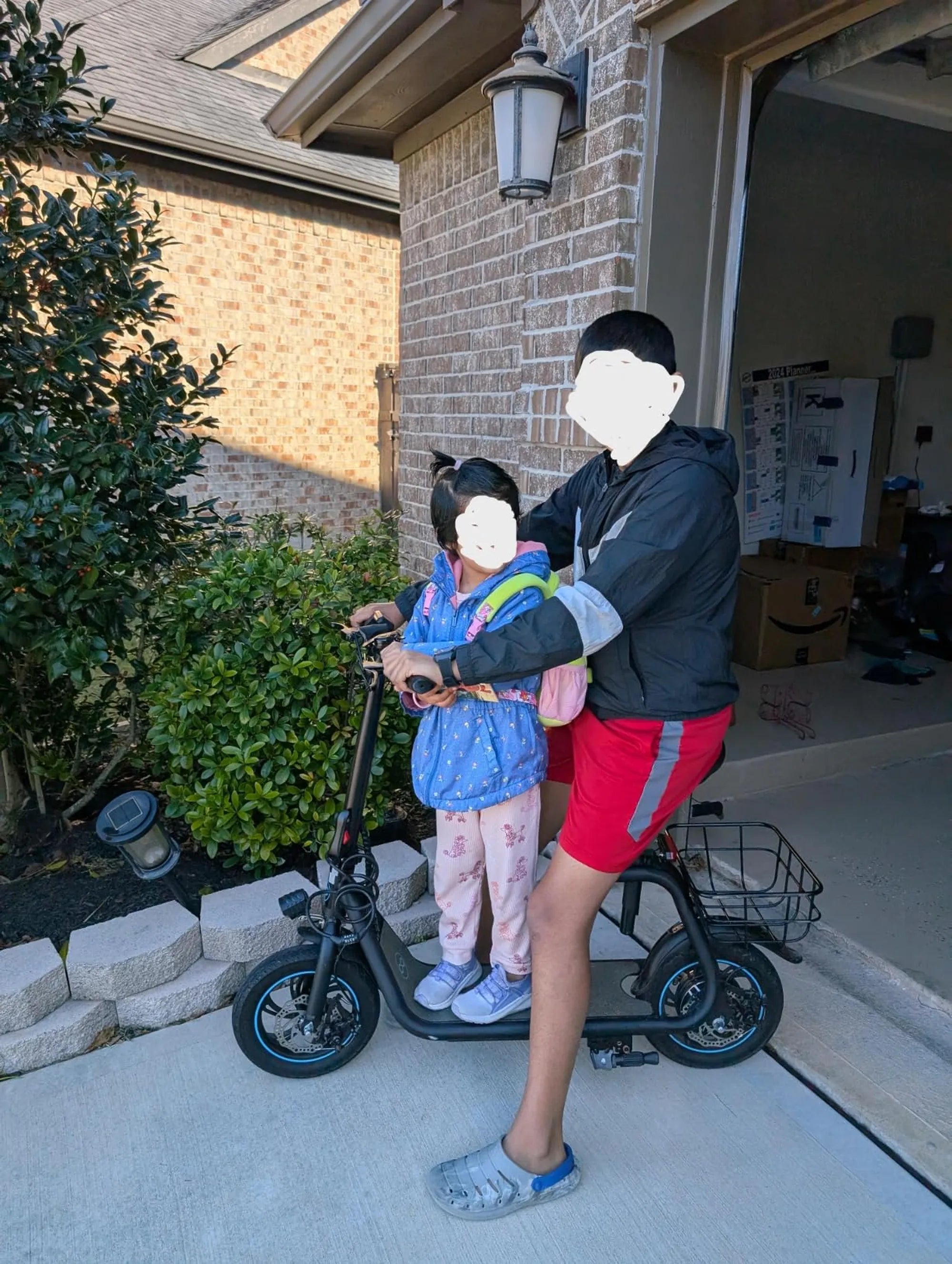
Electric scooters are rapidly transforming urban mobility in India, offering a cleaner, more efficient alternative to traditional fuel-powered vehicles. However, the success of this eco-friendly revolution hinges on one critical factor: charging infrastructure. As cities across the country embrace electric scooters, the demand for accessible, reliable, and fast charging solutions is skyrocketing. But what does the future hold for electric scooter charging in India? Let’s dive in.
The Rise of Electric Scooters in India
India’s push toward sustainable transportation has accelerated the adoption of electric scooters. With rising fuel prices and growing environmental concerns, consumers are increasingly opting for electric two-wheelers. Government incentives, such as subsidies and tax benefits, have further fueled this trend. However, the lack of robust charging infrastructure remains a significant barrier to widespread adoption.
Challenges in Electric Scooter Charging
Despite the growing popularity of electric scooters, charging them remains a challenge for many users. Here are some of the key hurdles:
- Limited Charging Stations: Public charging stations are still sparse in most Indian cities, forcing riders to rely on home charging.
- Slow Charging Speeds: Standard charging methods can take several hours, making them inconvenient for daily commuters.
- Power Supply Issues: Frequent power cuts and voltage fluctuations in many areas can disrupt charging cycles.
- High Initial Costs: Installing fast-charging units at home or in public spaces can be expensive.
Innovations in Charging Infrastructure
To address these challenges, several innovations are emerging in the electric scooter charging space:
- Battery Swapping Stations: These allow users to exchange depleted batteries for fully charged ones in minutes, eliminating long wait times.
- Solar-Powered Charging: Harnessing solar energy to power charging stations reduces reliance on the grid and lowers operational costs.
- Smart Charging Solutions: IoT-enabled chargers optimize energy usage and provide real-time monitoring for better efficiency.
Government Initiatives and Policies
The Indian government is actively supporting the expansion of charging infrastructure through various policies:
- FAME II Scheme: This initiative provides financial incentives for setting up public charging stations.
- State-Level Incentives: Several states offer subsidies and tax waivers to encourage private investment in charging infrastructure.
- Public-Private Partnerships: Collaborations between government bodies and private companies are accelerating the deployment of charging networks.
The Road Ahead for Electric Scooter Charging
The future of electric scooter charging in India looks promising, but there’s still a long way to go. As technology advances and more players enter the market, charging solutions will become faster, cheaper, and more accessible. For now, riders must navigate the existing challenges while keeping an eye on the exciting developments just around the corner.
Imagine a world where charging your electric scooter is as easy as refueling a petrol bike—no more range anxiety, no more long waits. With the right investments and innovations, this vision could soon become a reality in India. The electric revolution is here, and it’s charging full speed ahead!
Best Wheel Size for Mountain Biking: A Complete Guide
Mountain Biking Technology: The Future of Trail Riding