

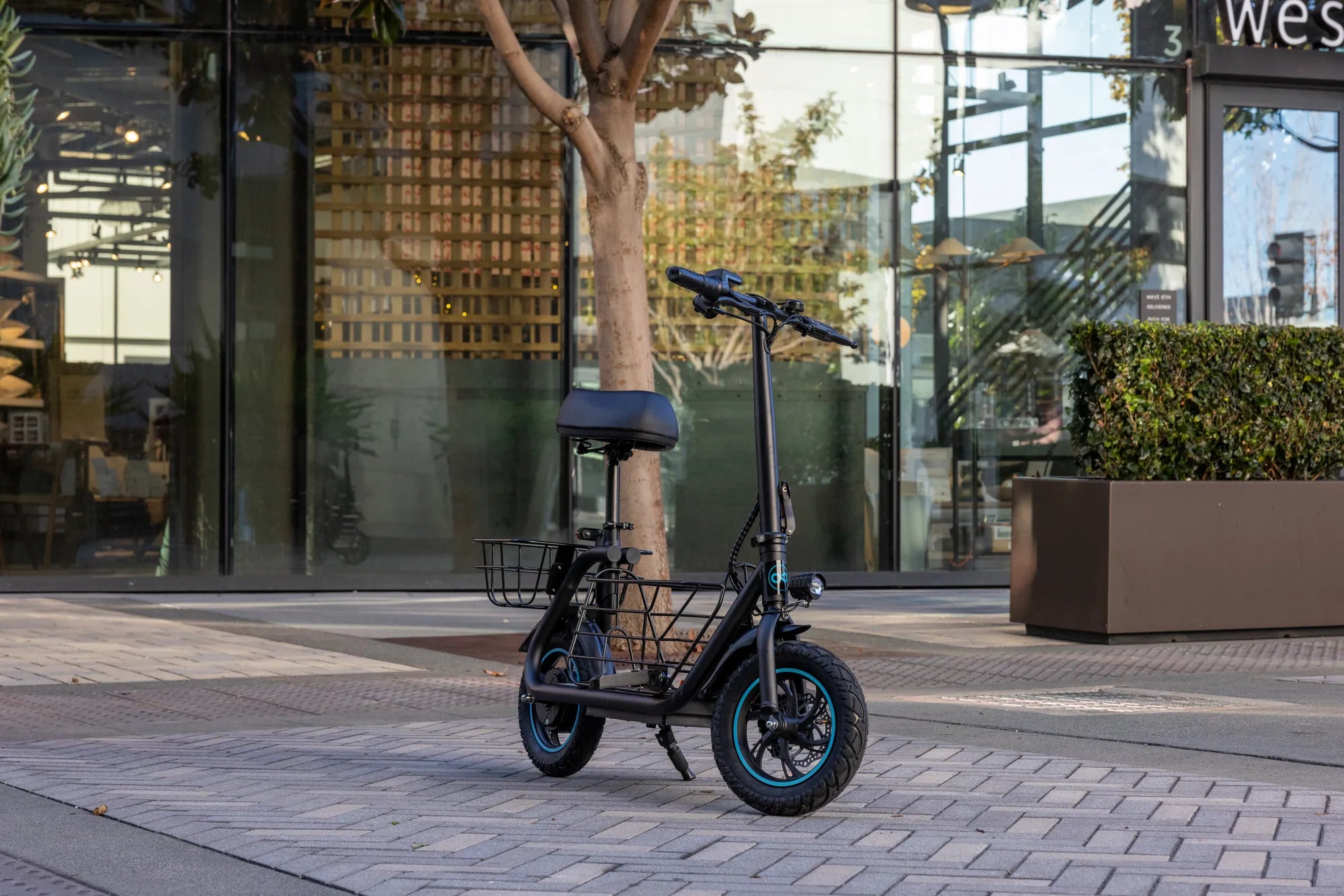
Electric scooters have surged in popularity as a convenient, eco-friendly, and cost-effective mode of transportation. But how much does it really cost to charge one every month? If you're curious about the electric scooter electricity cost per month, you're not alone. Many riders want to know if their sleek new ride is as budget-friendly as it seems. Let's dive into the numbers and see how much you can expect to pay—and how it stacks up against other vehicles.
Understanding Electric Scooter Energy Consumption
Electric scooters are designed to be energy-efficient, but their exact power consumption depends on several factors:
- Battery Capacity: Measured in watt-hours (Wh), this determines how much energy the scooter can store.
- Charging Efficiency: No charger is 100% efficient—some energy is lost as heat during charging.
- Riding Habits: Frequent acceleration, high speeds, and uphill rides consume more power.
- Battery Age: Older batteries may hold less charge, requiring more frequent top-ups.
On average, an electric scooter with a 500Wh battery will consume about 0.5 kWh per full charge. If you charge it every other day, that's roughly 15 charges per month—totaling 7.5 kWh.
Calculating the Monthly Electricity Cost
To estimate your electric scooter electricity cost per month, you'll need to know your local electricity rate. In the U.S., the average cost is around $0.13 per kWh. Here's a simple breakdown:
| Factor | Value |
|---|---|
| Battery Capacity | 500Wh (0.5 kWh) |
| Charges per Month | 15 |
| Total Energy Used | 7.5 kWh |
| Electricity Rate | $0.13/kWh |
| Monthly Cost | $0.98 |
That's right—less than a dollar a month! Even if you ride daily, the cost rarely exceeds $2. Compare that to a gas-powered vehicle, and the savings are staggering.
How Electric Scooters Compare to Other Transport Options
When it comes to cost-efficiency, electric scooters are hard to beat. Let's see how they stack up against other common modes of transportation:
- Gas-Powered Cars: Fuel costs alone can exceed $100 per month, not including maintenance.
- Public Transit: Monthly passes range from $50 to $150, depending on the city.
- Bicycles: While cheap to operate, they require more physical effort and time.
- Electric Bikes: Slightly higher energy consumption (1-2 kWh per charge) but still affordable.
For short commutes, an electric scooter is one of the most economical choices available.
Tips to Reduce Your Electric Scooter's Energy Costs
Want to minimize your electric scooter electricity cost per month even further? Try these tips:
- Optimize Your Riding Style: Smooth acceleration and moderate speeds improve efficiency.
- Maintain Proper Tire Pressure: Underinflated tires increase rolling resistance.
- Store Your Scooter Indoors: Extreme temperatures can reduce battery performance.
- Charge Smartly: Avoid overcharging—unplug once the battery is full.
These small adjustments can help you squeeze out extra miles per charge, reducing your overall energy use.
Environmental Impact of Electric Scooters
Beyond cost savings, electric scooters offer significant environmental benefits. Since they run on electricity, they produce zero tailpipe emissions. Even when accounting for power plant emissions, e-scooters are far cleaner than gas vehicles. If your electricity comes from renewable sources, your carbon footprint shrinks even more.
Switching to an electric scooter isn't just a win for your wallet—it's a win for the planet.
So, is an electric scooter worth it? When you consider the electric scooter electricity cost per month—often less than a cup of coffee—it's clear that these nimble machines offer unbeatable value. Whether you're saving money, reducing emissions, or just enjoying the ride, an e-scooter is a smart choice for modern commuters. Ready to make the switch?
Lightest Matte Electric Scooters: The Ultimate Guide to Portable Urban Commuting
E-Scooter Market Forecast: Trends, Growth, and Future Opportunities