



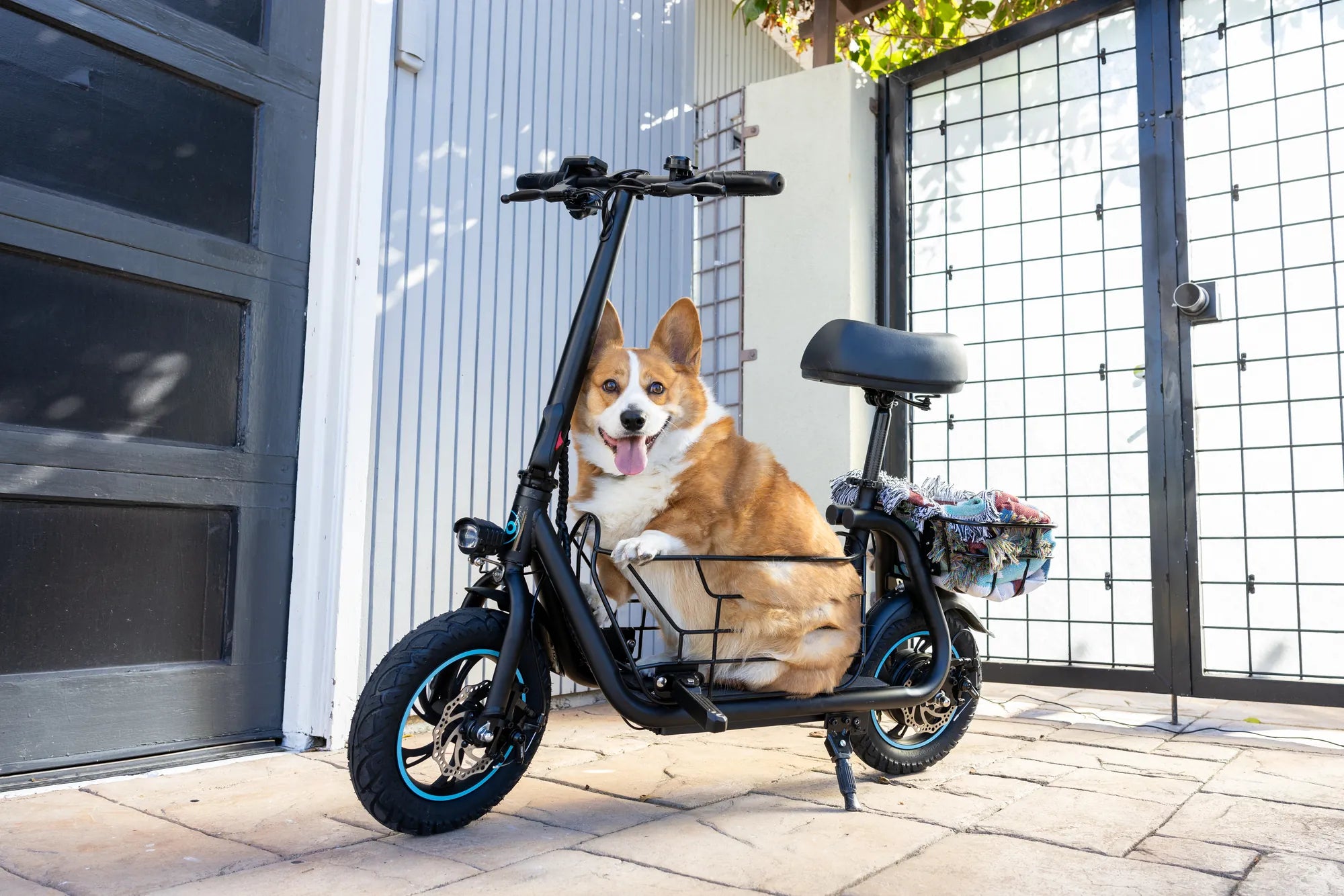
The rise of electric scooters has revolutionized urban transportation, offering a sustainable and efficient alternative to traditional commuting methods. As cities become more congested and environmental concerns grow, electric scooter manufacturing has emerged as a key player in the future of mobility. This article delves into the intricacies of this industry, from production processes to market trends, and how it’s shaping the way we move.
The Evolution of Electric Scooter Manufacturing
Electric scooter manufacturing has come a long way since its inception. Initially seen as a niche market, the industry has exploded in recent years due to advancements in battery technology, lightweight materials, and smart connectivity. Manufacturers now prioritize efficiency, durability, and user experience, creating scooters that cater to a wide range of consumers.
Key Components in Electric Scooter Production
The heart of any electric scooter lies in its components. From high-capacity lithium-ion batteries to robust motors and intuitive control systems, each part plays a critical role in performance. Modern manufacturing processes ensure these components are not only reliable but also eco-friendly, aligning with global sustainability goals.
Battery Technology
Battery technology is the backbone of electric scooter manufacturing. Advances in energy density and charging speed have significantly extended the range and usability of scooters. Manufacturers are also exploring recyclable and less toxic materials to reduce environmental impact.
Frame and Design
The frame of an electric scooter must balance strength and weight. Lightweight alloys and carbon fiber are popular choices, offering durability without compromising portability. Ergonomics and aesthetics are also key considerations, as consumers demand sleek, user-friendly designs.
The Manufacturing Process
Electric scooter manufacturing involves several stages, from design and prototyping to assembly and quality control. Automated production lines have streamlined these processes, ensuring consistency and reducing costs. However, skilled labor remains essential for fine-tuning and customization.
Quality Assurance
Rigorous testing is a hallmark of reputable manufacturers. Scooters undergo stress tests, water resistance checks, and performance evaluations to meet safety standards. This attention to detail ensures reliability and builds consumer trust.
Market Trends and Future Outlook
The electric scooter market is projected to grow exponentially, driven by urbanization and environmental awareness. Shared mobility services and last-mile delivery solutions are also fueling demand. Innovations like swappable batteries and AI-powered navigation are set to redefine the industry.
Sustainability Initiatives
Manufacturers are increasingly adopting green practices, such as using renewable energy in production and designing scooters with longer lifespans. These efforts not only reduce carbon footprints but also appeal to eco-conscious consumers.
Challenges in Electric Scooter Manufacturing
Despite its growth, the industry faces hurdles like regulatory compliance, supply chain disruptions, and competition. Balancing cost-efficiency with quality remains a persistent challenge, especially for startups entering the market.
As electric scooter manufacturing continues to evolve, it promises to transform urban mobility in ways we’ve only begun to imagine. Whether you’re a commuter, an entrepreneur, or an environmental advocate, this industry offers exciting opportunities to be part of a cleaner, smarter future.
Electric Scooter Entry Level Price: A Budget-Friendly Guide to Getting Started
Gold Light Up Hoverboard: The Ultimate Guide to Gliding in Style