



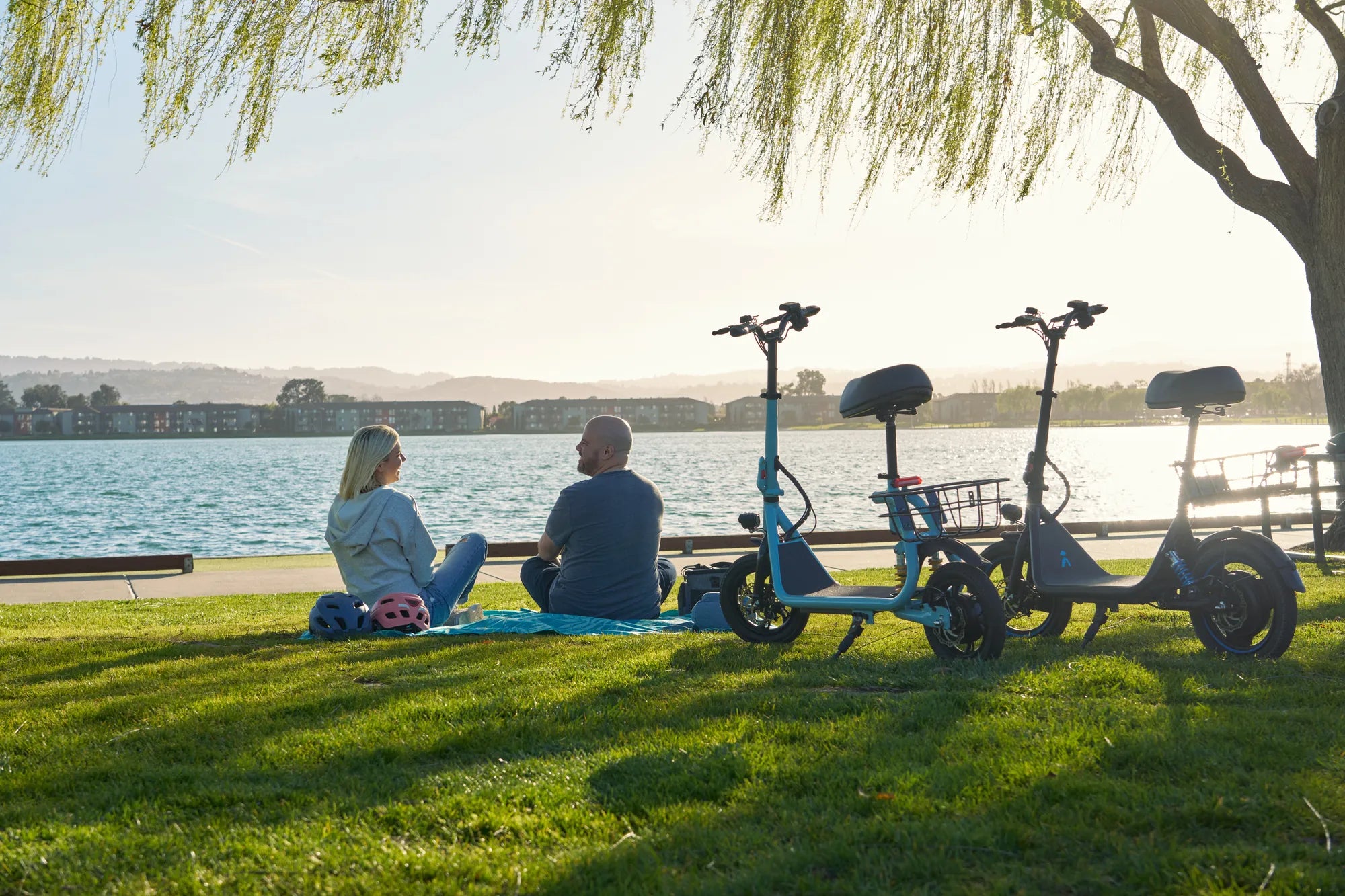
The electric scooter market is revving up for a transformative journey, with projections indicating unprecedented growth by 2025. As cities become more congested and environmental awareness rises, these sleek, eco-friendly vehicles are emerging as the go-to solution for urban mobility. But what exactly is fueling this surge, and what hurdles must the industry overcome to reach its full potential? Let’s dive into the electrifying world of scooters and uncover the road ahead.
The Driving Forces Behind Electric Scooter Market Growth
Several factors are accelerating the adoption of electric scooters worldwide. Urbanization is at the forefront, with more people moving to cities and seeking efficient, cost-effective transportation options. Electric scooters offer a perfect blend of convenience and affordability, making them ideal for short commutes.
Environmental concerns are another major catalyst. Governments and consumers alike are prioritizing sustainability, and electric scooters produce zero emissions, aligning with global carbon reduction goals. Incentives such as tax breaks and subsidies are further encouraging adoption.
Technological advancements are also playing a pivotal role. Improved battery life, faster charging times, and enhanced safety features are making electric scooters more appealing than ever. The integration of smart technologies, like GPS and IoT connectivity, is adding a layer of sophistication to these vehicles.
Key Trends Shaping the Electric Scooter Market
The electric scooter market is evolving rapidly, with several trends set to dominate by 2025. Shared mobility services are gaining traction, with companies offering scooter rentals in urban centers. This model reduces the need for personal ownership and caters to the growing demand for flexible transportation.
Another trend is the rise of lightweight and foldable designs. Consumers are prioritizing portability, and manufacturers are responding with compact models that are easy to carry and store. This innovation is particularly appealing to commuters who combine scooters with public transit.
Battery technology is also advancing at a breakneck pace. Lithium-ion batteries are becoming more efficient, offering longer ranges and shorter charging times. Solid-state batteries, though still in development, promise to revolutionize the market with even greater performance and safety.
Challenges Facing the Electric Scooter Industry
Despite its promising growth, the electric scooter market faces several challenges. Regulatory hurdles are a significant barrier, as many cities struggle to integrate scooters into existing transportation frameworks. Issues like speed limits, parking regulations, and safety standards need to be addressed to ensure smooth adoption.
Infrastructure limitations also pose a problem. Many urban areas lack dedicated lanes or charging stations, making it difficult for riders to navigate and recharge their scooters. Investments in infrastructure will be crucial to support the growing number of users.
Safety concerns are another critical issue. Accidents involving electric scooters have raised alarms, prompting calls for better rider education and stricter safety protocols. Manufacturers must prioritize robust designs and features like anti-lock braking systems to mitigate risks.
Opportunities for Growth and Innovation
The electric scooter market is ripe with opportunities for innovation and expansion. Emerging markets, particularly in Asia and Latin America, present untapped potential. These regions have dense urban populations and a growing middle class, making them ideal for scooter adoption.
Collaborations between public and private sectors can also drive growth. Partnerships with city planners and transportation authorities can help create scooter-friendly policies and infrastructure. Such initiatives can pave the way for seamless integration into urban mobility ecosystems.
Finally, advancements in AI and machine learning offer exciting possibilities. Smart scooters equipped with predictive maintenance and real-time traffic analysis can enhance user experience and safety. These technologies will likely become standard features by 2025, further boosting market appeal.
The electric scooter market is on the brink of a revolution, with 2025 set to be a landmark year. As technology, sustainability, and urban mobility converge, the possibilities are endless. Whether you’re a commuter, investor, or simply curious about the future of transportation, now is the time to tune in—the ride is just getting started.
Electric Scooter 80 kmh Price: What You Need to Know Before Buying
Off-Road Electric Scooter 50 MPH: The Ultimate Adventure Machine