



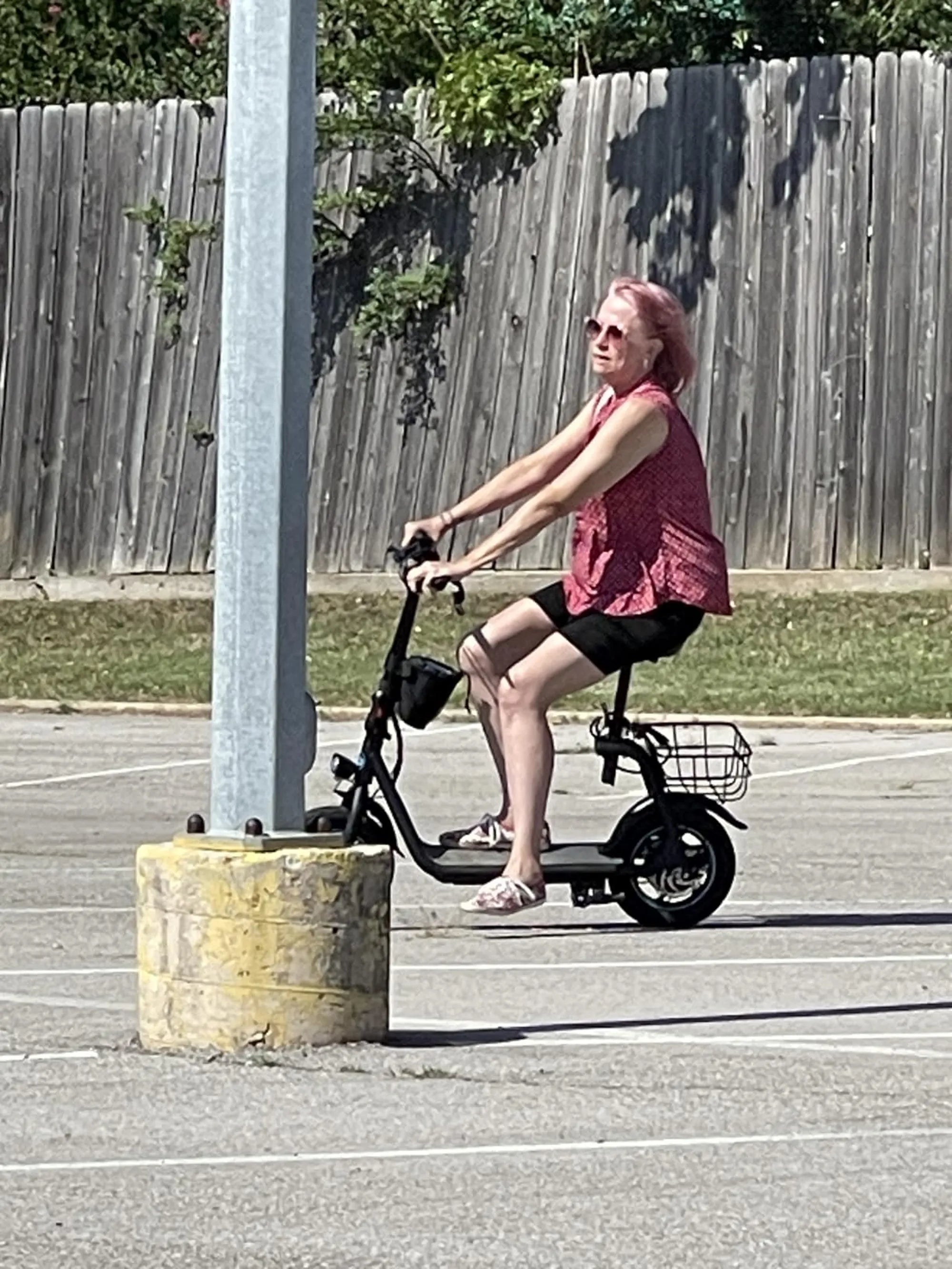
Electric scooters have surged in popularity as a convenient, eco-friendly, and cost-effective mode of urban transportation. But with so many options on the market, understanding the relationship between electric scooter mileage and price is crucial for making the right choice. Whether you're a daily commuter or a weekend rider, knowing what to look for can save you money and ensure you get the most out of your investment.
How Mileage Affects Electric Scooter Performance
Mileage, often referred to as range, is one of the most critical factors when choosing an electric scooter. It determines how far you can travel on a single charge, which directly impacts your commuting needs. Most electric scooters offer a range between 15 to 50 miles, but high-end models can exceed 60 miles. The actual mileage you achieve depends on several factors, including battery capacity, rider weight, terrain, and speed.
Battery Capacity and Efficiency
The battery is the heart of an electric scooter, dictating both its range and performance. Larger batteries with higher watt-hour (Wh) ratings generally provide longer mileage. However, battery efficiency also plays a role. Lithium-ion batteries are the most common due to their lightweight and long lifespan, but they can be expensive. Cheaper lead-acid batteries may reduce the upfront cost but often result in shorter ranges and quicker degradation.
Rider Weight and Terrain
Heavier riders or those carrying additional cargo will experience reduced mileage due to increased energy consumption. Similarly, riding on hilly or rough terrain demands more power from the motor, further decreasing the range. If you live in a flat urban area, you'll likely achieve closer to the advertised mileage, while those in hilly regions may need to adjust their expectations.
Price Considerations for Electric Scooters
The price of an electric scooter varies widely, from budget-friendly options under $300 to premium models exceeding $1,500. While it's tempting to opt for the cheapest available, understanding what you're paying for can help you avoid buyer's remorse.
Budget Scooters: Pros and Cons
Affordable electric scooters typically feature smaller batteries, lower top speeds, and shorter ranges. They may lack advanced features like suspension or regenerative braking, making them suitable for short commutes on smooth surfaces. However, their lower price often comes at the cost of durability and long-term performance.
Mid-Range and Premium Scooters
Mid-range scooters, priced between $500 and $1,000, strike a balance between performance and affordability. They often include better batteries, improved motors, and additional features like LED displays or app connectivity. Premium scooters, on the other hand, offer top-tier components, extended ranges, and superior build quality, making them ideal for serious commuters or enthusiasts.
Finding the Right Balance Between Mileage and Price
To get the best value, assess your daily commuting needs. If you only travel short distances, a budget scooter with a 15-20 mile range may suffice. For longer commutes or frequent use, investing in a mid-range or premium model with a higher mileage capability will pay off in the long run. Always check real-world reviews to gauge how the scooter performs outside of lab conditions.
Additional Costs to Consider
Beyond the initial purchase price, factor in maintenance, replacement parts, and potential repairs. High-quality scooters may cost more upfront but often require fewer repairs over time. Also, consider the cost of accessories like helmets, locks, or carrying bags, which can add to your total expenditure.
Electric scooters are revolutionizing urban mobility, but choosing the right one requires careful consideration of mileage and price. By understanding how these factors interplay, you can select a scooter that meets your needs without breaking the bank. Ready to hit the road? Your perfect ride is just a decision away.
2000W Electric Scooter Parts: The Ultimate Guide to Upgrading Your Ride
2000W Electric Scooter Parts: The Ultimate Guide to Upgrading Your Ride