


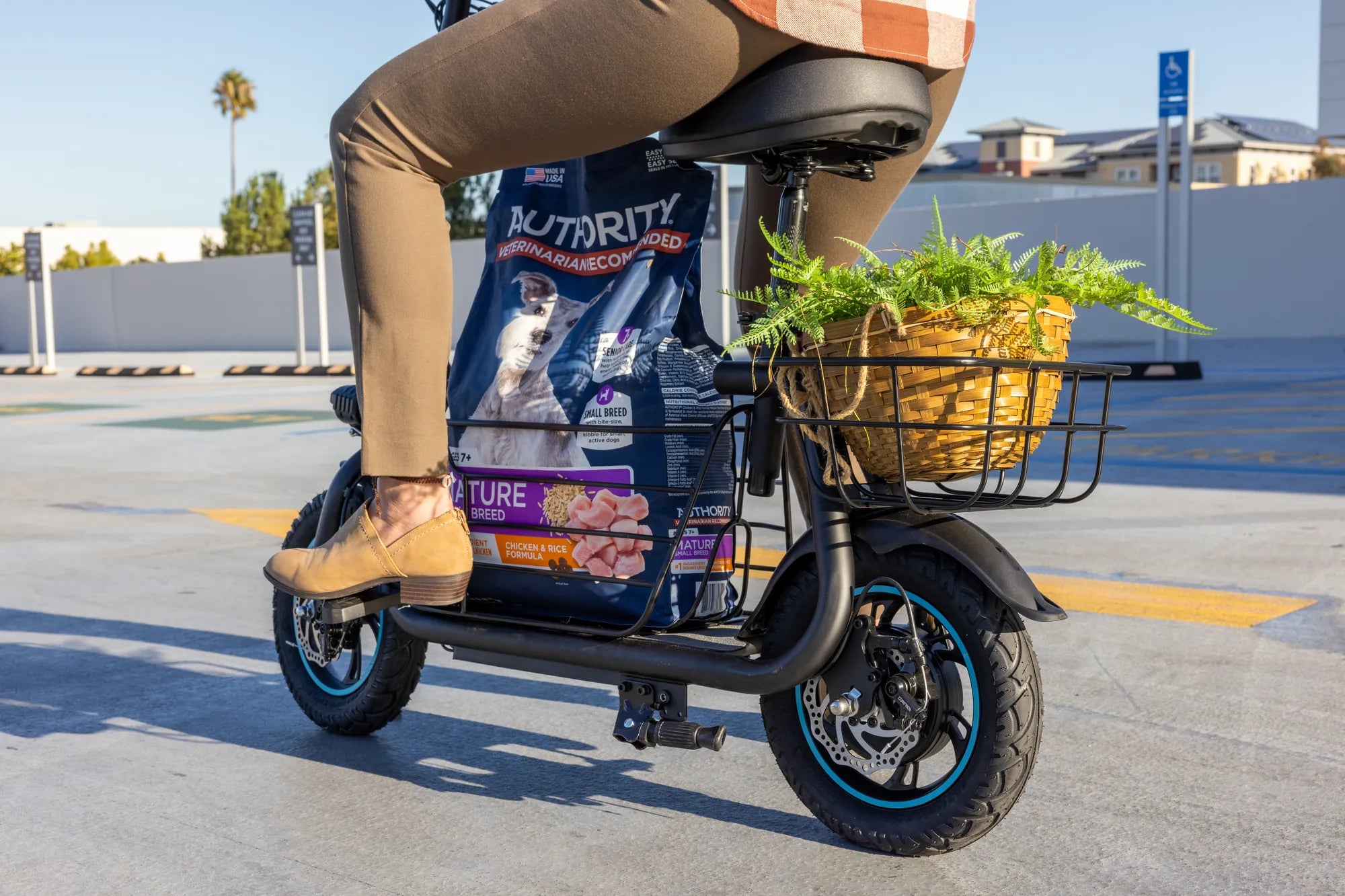
Is your electric scooter acting up, and you're tired of waiting for professional repairs? Whether it's a dead battery, faulty wiring, or a squeaky wheel, many common scooter problems can be fixed right at home with the right tools and know-how. This guide will walk you through the basics of electric scooter repair at home, helping you troubleshoot issues and get back on the road in no time.
Understanding Your Electric Scooter
Before diving into repairs, it's essential to understand how your electric scooter works. Most scooters consist of a few key components:
- Battery: Powers the motor and electronics.
- Motor: Converts electrical energy into motion.
- Controller: Regulates power distribution between the battery and motor.
- Wheels and Brakes: Ensure smooth movement and stopping.
- Wiring and Connectors: Links all components together.
Common Electric Scooter Problems and Fixes
1. Battery Not Charging
If your scooter won't charge, the issue could be with the battery, charger, or charging port. Here's how to diagnose and fix it:
- Check the charger for visible damage or loose connections.
- Test the charging port with a multimeter to ensure it's receiving power.
- Inspect the battery for swelling, leaks, or corrosion.
2. Motor Not Running
A non-responsive motor could be due to wiring issues, a faulty controller, or a dead battery. Try these steps:
- Ensure all wiring connections are secure and undamaged.
- Test the motor by connecting it directly to a power source (if safe to do so).
- Check the controller for signs of overheating or damage.
3. Squeaky or Wobbly Wheels
Wheel issues can make your ride uncomfortable and unsafe. Here's how to fix them:
- Lubricate the wheel bearings with silicone spray or grease.
- Tighten loose bolts or nuts on the wheel assembly.
- Replace worn-out tires or tubes if necessary.
Essential Tools for Electric Scooter Repair at Home
Having the right tools can make repairs much easier. Here's a basic toolkit to get started:
- Multimeter (for testing electrical components)
- Screwdrivers (Phillips and flat-head)
- Allen wrenches
- Pliers and wire cutters
- Lubricants (silicone spray or grease)
Safety Tips for DIY Repairs
Working on an electric scooter involves handling electrical components, so safety is crucial. Follow these precautions:
- Always disconnect the battery before working on wiring or electronics.
- Wear gloves and safety glasses to protect against sparks or debris.
- Work in a well-ventilated area to avoid inhaling fumes from batteries or lubricants.
When to Call a Professional
While many repairs can be done at home, some issues require expert attention. Seek professional help if:
- The battery is leaking or severely damaged.
- There's a burning smell or smoke coming from the scooter.
- You're unsure about handling high-voltage components.
Don't let a malfunctioning electric scooter ruin your day! With this guide, you're now equipped to handle common repairs at home and keep your ride running smoothly. Whether it's a quick fix or a more involved troubleshooting process, taking matters into your own hands can save you both time and money. Happy scooting!
Transit Electric Bike: The Future of Urban Commuting and Sustainable Travel
Electric Bike for Camping: The Ultimate Adventure Companion