

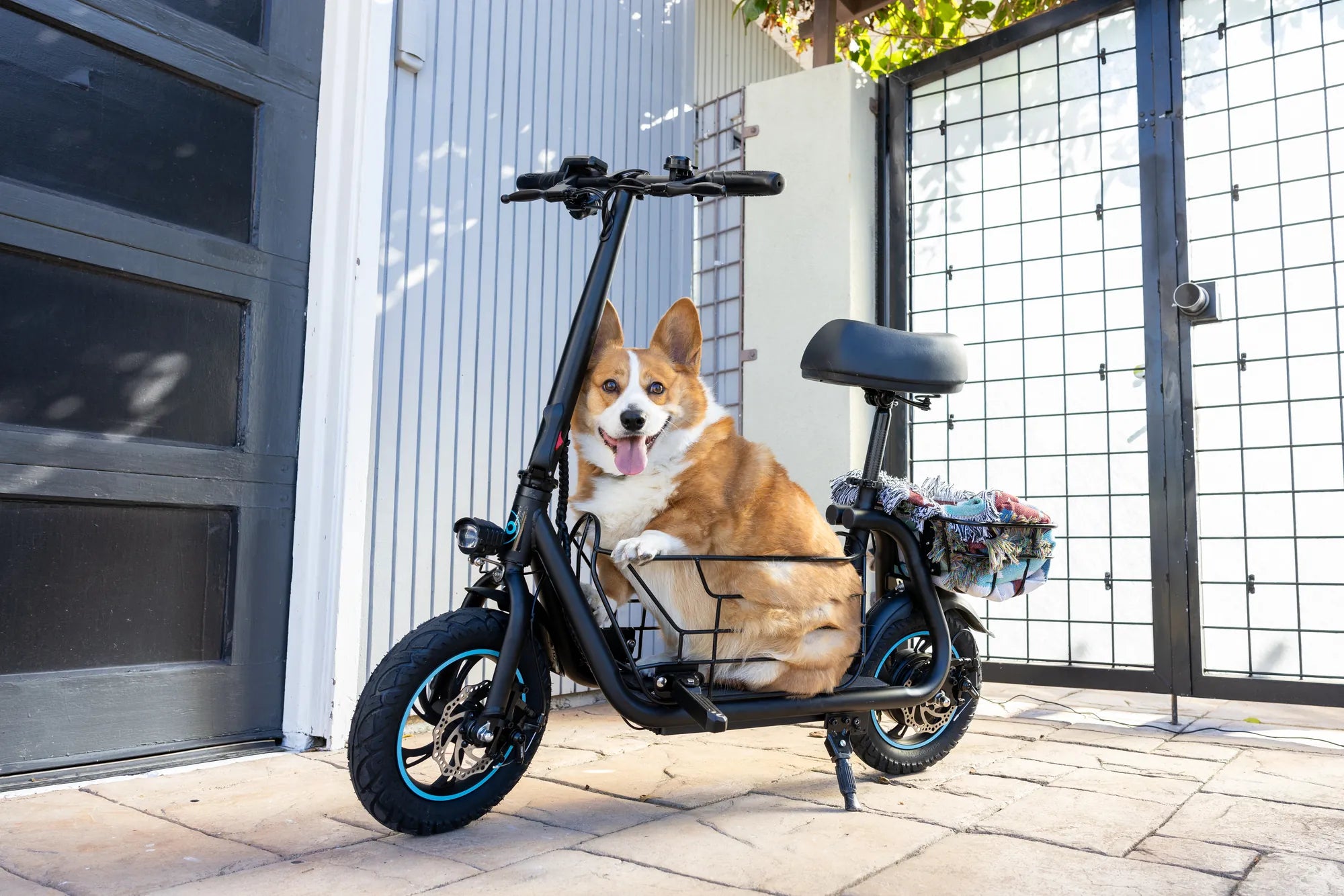
Electric scooters have surged in popularity as a convenient, eco-friendly, and cost-effective mode of transportation. But how much does it really cost to own and operate one? Let’s break down the electric scooter running costs to help you make an informed decision.
Initial Purchase Price
The first expense you’ll encounter is the upfront cost of the scooter itself. Prices vary widely depending on features like battery life, speed, and build quality. While budget models may seem appealing, investing in a durable scooter can save you money in the long run by reducing maintenance and replacement costs.
Charging Costs
One of the biggest advantages of electric scooters is their low energy consumption. On average, charging an electric scooter costs just a few cents per charge. For example, if your scooter has a 500Wh battery and electricity costs $0.15 per kWh, a full charge would cost about $0.075. Over a year, even daily charging would only add up to around $27.
Maintenance and Repairs
Unlike cars, electric scooters have fewer moving parts, which means lower maintenance costs. However, regular upkeep is still necessary. Common expenses include tire replacements, brake adjustments, and occasional battery replacements. Budgeting around $50-$150 annually for maintenance can help keep your scooter in top condition.
Insurance and Registration
Depending on your location, you may need to register your electric scooter or even insure it. While not all areas require this, insurance can protect you from theft or accidents. Costs vary, but expect to pay anywhere from $50 to $200 per year for coverage.
Depreciation and Resale Value
Like any vehicle, electric scooters lose value over time. High-quality models retain their value better, but you can expect depreciation of 20-30% per year. If you plan to upgrade, selling your scooter after a year or two can help offset the cost of a new model.
Comparing Costs to Other Transport Options
When stacked against cars, public transit, or rideshares, electric scooters often come out ahead. For example, the average car owner spends thousands annually on fuel, insurance, and maintenance. Public transit costs can add up quickly, especially in cities with high fares. Even rideshares, while convenient, are far more expensive per mile than owning an electric scooter.
Hidden Costs to Consider
Don’t forget about accessories like helmets, locks, and storage solutions. While these aren’t recurring expenses, they’re essential for safety and convenience. Additionally, some cities require permits or impose fees for parking electric scooters in public spaces.
Environmental Savings
Beyond financial benefits, electric scooters reduce your carbon footprint. With zero emissions and minimal energy use, they’re a greener alternative to gas-powered vehicles. Over time, these environmental savings can translate into societal benefits, like cleaner air and reduced traffic congestion.
Ready to ditch high transportation costs and embrace the electric scooter lifestyle? With low charging fees, minimal maintenance, and unbeatable convenience, it’s no wonder more people are making the switch. Start calculating your savings today and join the revolution!
How to Make Self Balancing Scooter Go Faster: Top Tips and Tricks
4 KW Electric Scooter: The Future of Urban Mobility