

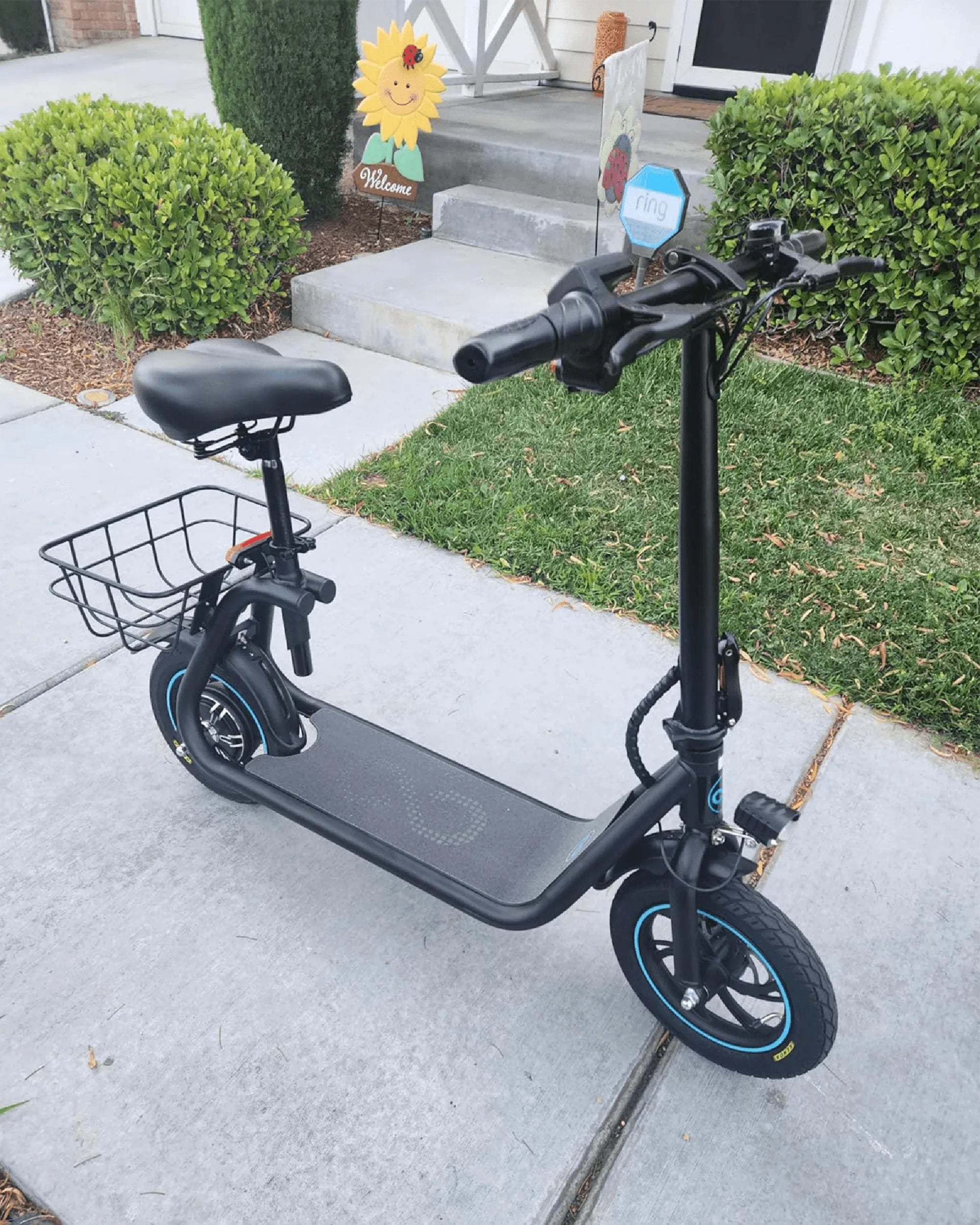
Ever wondered how to make your self-balancing scooter go faster? Whether you're a thrill-seeker or just looking to shave a few minutes off your commute, increasing your scooter's speed can be a game-changer. But before you start tweaking, it's important to understand the factors that influence speed and how to optimize them safely. Let’s dive into the best methods to get your ride moving quicker without compromising safety.
Understand the Factory Speed Limits
Most self-balancing scooters come with built-in speed limits set by the manufacturer. These limits are designed to ensure rider safety and prevent accidents. However, if you're looking to push the boundaries, the first step is to check whether your scooter's firmware allows for adjustments. Some models have hidden settings that can be unlocked to increase speed, while others may require third-party modifications.
Update the Firmware
Manufacturers occasionally release firmware updates that can improve performance, including speed. Check the official website or app associated with your scooter to see if any updates are available. Updating the firmware can sometimes unlock higher speed modes or optimize the scooter's power distribution for better acceleration.
Optimize Tire Pressure
Underinflated tires can slow down your scooter by increasing rolling resistance. Make sure your tires are inflated to the recommended pressure level, which is usually listed in the user manual. Properly inflated tires not only help you go faster but also improve battery efficiency and ride comfort.
Reduce Weight Load
The heavier the load, the harder your scooter has to work to maintain speed. If you're carrying a backpack or other unnecessary items, consider lightening your load. Even a few pounds can make a noticeable difference in acceleration and top speed.
Check Battery Health
A weak or aging battery can significantly reduce your scooter's performance. Ensure your battery is fully charged before riding and consider replacing it if it no longer holds a charge as well as it used to. A healthy battery delivers consistent power, which is essential for maintaining higher speeds.
Adjust Riding Posture
Your body position can affect your scooter's speed. Leaning slightly forward can help reduce wind resistance and improve aerodynamics, allowing you to go faster. However, always maintain a stable and balanced posture to avoid accidents.
Upgrade the Motors
If you're comfortable with technical modifications, upgrading the motors can provide a significant speed boost. Higher-wattage motors deliver more power, but keep in mind that this may void your warranty and require additional adjustments to the scooter's firmware or battery system.
Use Smooth, Flat Surfaces
Rough or uneven terrain can slow you down. For maximum speed, stick to smooth, flat surfaces like pavement or bike lanes. Avoid hills, gravel, or bumpy roads, as these can reduce your scooter's efficiency.
Monitor Temperature Conditions
Extreme temperatures, both hot and cold, can affect battery performance and motor efficiency. Try to ride in moderate weather conditions to ensure your scooter operates at peak performance.
Practice Safe Riding Habits
While increasing speed can be exciting, safety should always come first. Wear protective gear, obey traffic laws, and avoid risky maneuvers. A faster scooter means less reaction time, so stay alert and ride responsibly.
Ready to feel the wind in your hair? By following these tips, you can safely and effectively make your self-balancing scooter go faster. Whether it's a firmware tweak or a simple tire check, small adjustments can lead to big speed gains. Now, get out there and enjoy the ride!
2 Wheeler Self Balancing Scooter: The Future of Urban Mobility
Electric Scooter Running Costs: How Much Does It Really Cost to Own One?