



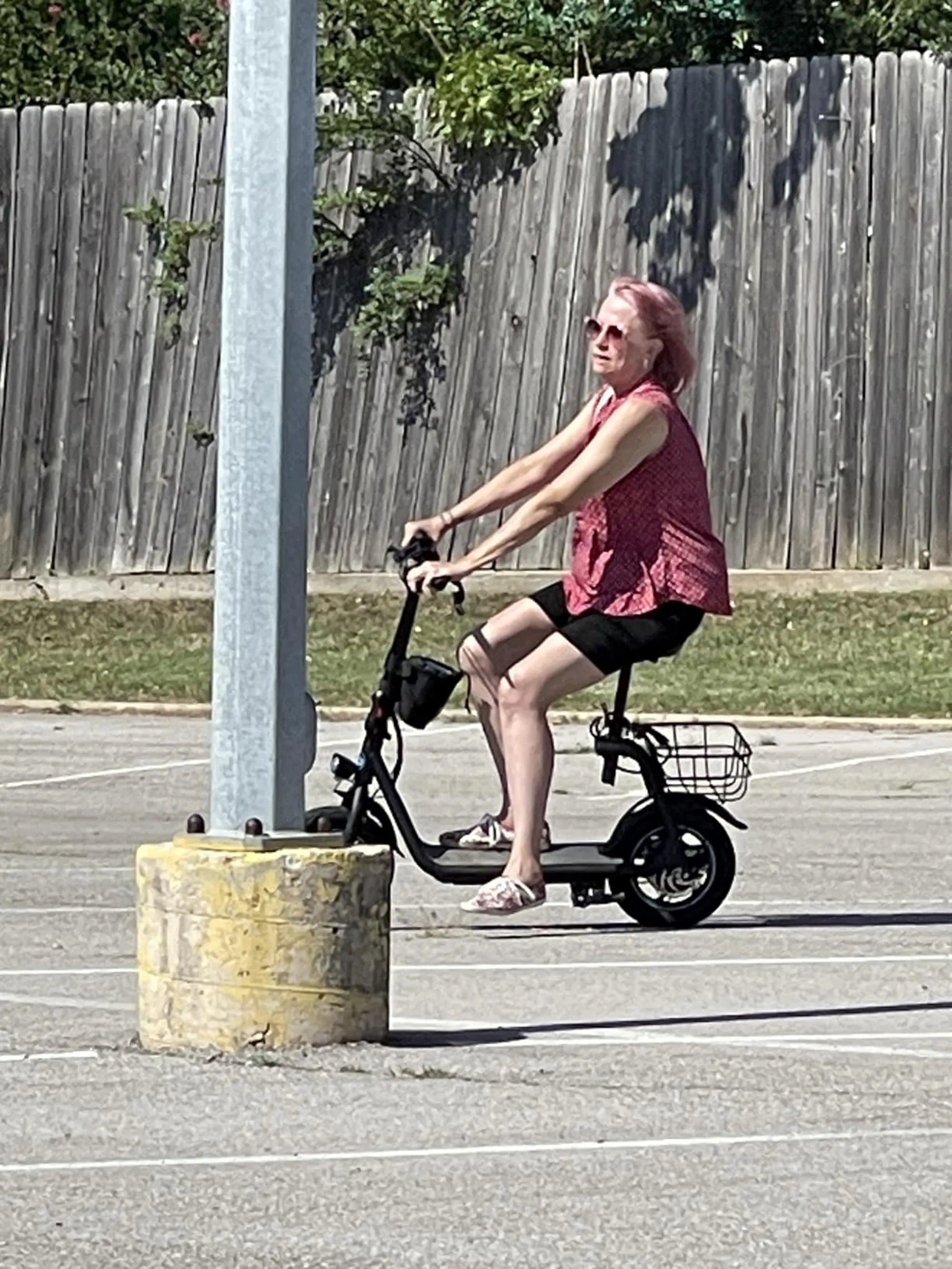
The electric scooter industry is accelerating at an unprecedented pace, and by 2025, top speeds are expected to redefine urban commuting. As cities become more congested and environmentally conscious, the demand for faster, more efficient personal transportation is skyrocketing. This article explores the technological breakthroughs, regulatory landscapes, and consumer trends that will shape the electric scooter top speed revolution in 2025.
The Evolution of Electric Scooter Speeds
Electric scooters have come a long way since their early days as slow, short-range commuter vehicles. By 2025, advancements in motor technology and battery efficiency will push top speeds to new heights. Current models typically max out at around 25-30 mph, but future iterations are projected to reach 40-50 mph, blurring the line between scooters and electric motorcycles.
Battery Technology Breakthroughs
The heart of any electric scooter's performance lies in its battery system. By 2025, solid-state batteries are expected to become commercially viable, offering:
- Higher energy density for longer range at top speeds
- Faster charging times to minimize downtime
- Improved thermal stability for safer high-speed operation
Motor and Powertrain Innovations
Electric motor technology is undergoing rapid transformation. The scooters of 2025 will likely feature:
- More efficient permanent magnet synchronous motors
- Advanced cooling systems to maintain performance
- Intelligent torque vectoring for better control at high speeds
Regulatory Challenges and Safety Considerations
As top speeds increase, regulatory bodies face new challenges in balancing innovation with public safety. Key considerations include:
- Classification of high-speed electric scooters
- Helmet and protective gear requirements
- Designated lanes and speed limit enforcement
Urban Infrastructure Adaptations
City planners are already preparing for the high-speed electric scooter revolution. Future urban landscapes may feature:
- Dedicated micro-mobility corridors
- Smart charging stations along major routes
- Integrated traffic management systems
Consumer Demand and Market Trends
The shift toward faster electric scooters is being driven by several consumer trends:
- Growing preference for time-efficient commuting
- Increased acceptance of micro-mobility solutions
- Desire for environmentally friendly transportation options
Environmental Impact and Sustainability
While higher speeds require more energy, advancements in renewable energy integration and regenerative braking systems will help maintain the environmental benefits of electric scooters. The 2025 models are expected to:
- Incorporate more sustainable materials
- Feature improved energy recovery systems
- Offer carbon-neutral charging options
The Competitive Landscape
As top speeds increase, the electric scooter market will see intensified competition, leading to:
- More affordable high-performance options
- Specialized models for different use cases
- Enhanced after-sales services and warranties
Safety Technology Integration
High-speed electric scooters in 2025 will likely incorporate advanced safety features such as:
- Collision avoidance systems
- Automatic emergency braking
- Stability control algorithms
The electric scooter revolution is charging full speed ahead, and by 2025, these nimble vehicles will transform from last-mile solutions to primary commuting options. With blistering top speeds, extended ranges, and smart features, the urban transportation landscape will never be the same. Buckle up (or rather, helmet on) - the future of mobility is arriving faster than you think.
Lightweight Folding Electric Scooter with Seat: The Ultimate Urban Commuter Solution
Electric Scooter Adults 30 Price: The Ultimate Buying Guide for Budget-Conscious Riders