



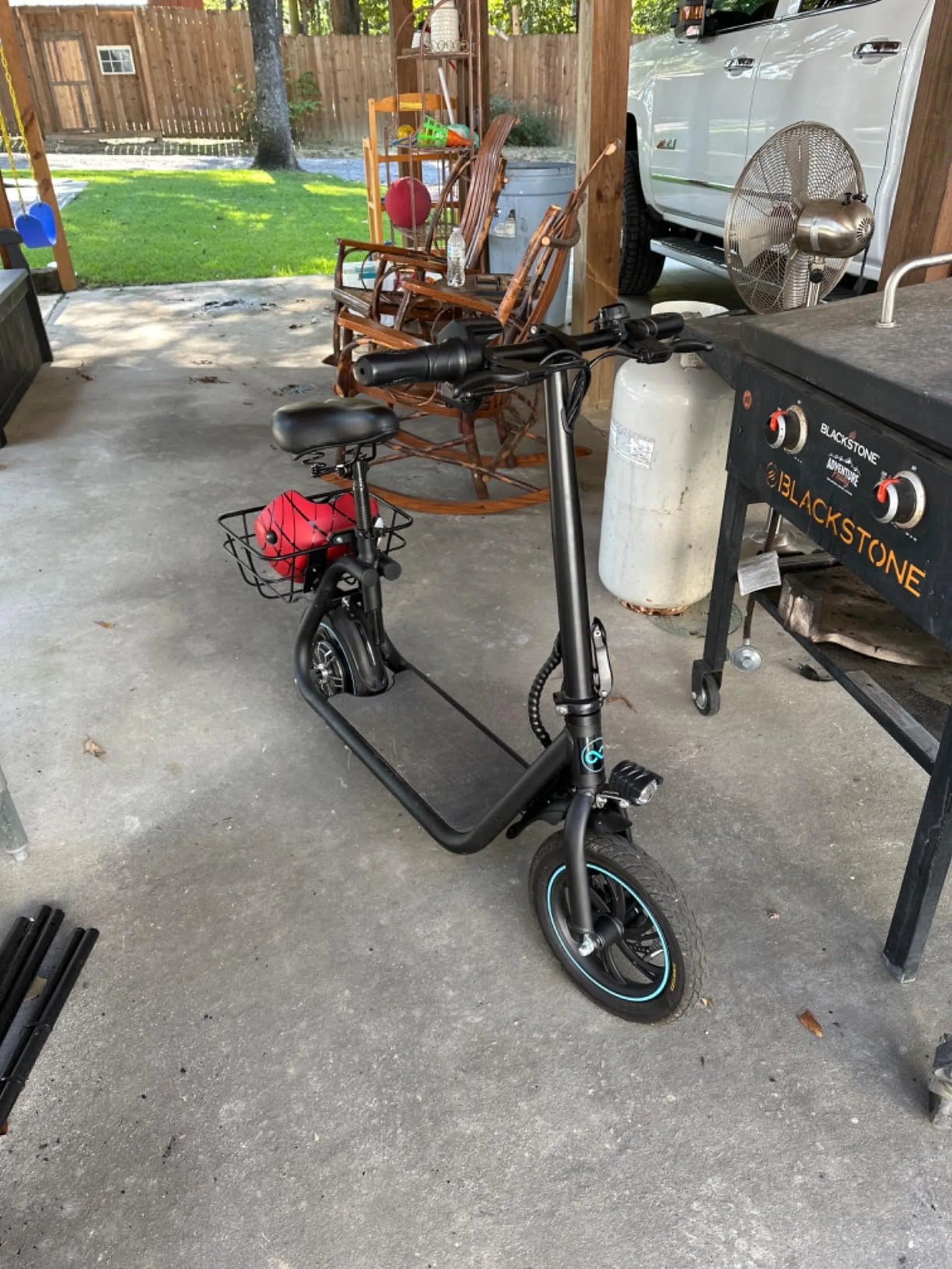
Choosing between an electric scooter and a bicycle for your daily commute isn't just about speed—it's about lifestyle, budget, and sustainability. Both options offer unique advantages, but which one is right for you? Let's dive into the details.
Cost Comparison
When it comes to upfront costs, bicycles generally have the edge. A decent commuter bike can be purchased for a few hundred dollars, while electric scooters often start at a higher price point. However, electric scooters may save money in the long run by reducing physical exertion and shortening travel times in urban environments.
Convenience and Portability
Electric scooters shine in portability. Most models are lightweight and foldable, making them easy to carry onto public transport or store in small apartments. Bicycles, while bulkier, don't require charging and can be locked up anywhere. Consider your storage space and daily route when choosing between the two.
Speed and Range
Electric scooters typically offer speeds of 15-20 mph with ranges of 15-30 miles per charge—perfect for short urban commutes. Bicycles rely on human power, meaning your speed and range depend entirely on your fitness level. For longer distances, an e-bike might offer the best of both worlds.
Environmental Impact
Both options are greener than cars, but bicycles have the smallest carbon footprint since they require no electricity. Electric scooters still beat gas vehicles but depend on your local power grid's cleanliness. If sustainability is your top priority, a traditional bike might be the way to go.
Health Benefits
Bicycles provide excellent cardiovascular exercise, helping commuters stay fit while traveling. Electric scooters offer minimal physical activity unless you're frequently pushing them when the battery dies. If you're looking to incorporate more movement into your day, a bicycle provides clear health advantages.
Safety Considerations
Both vehicles share similar urban hazards, but scooters' smaller wheels make them more vulnerable to potholes. Bicycles generally offer better stability and visibility in traffic. Regardless of your choice, always wear appropriate safety gear and follow local traffic laws.
Maintenance Requirements
Bicycles require regular maintenance like chain lubrication and tire inflation, but repairs are often simple and inexpensive. Electric scooters need less frequent maintenance but can be costly when electronic components fail. Consider your willingness to perform basic repairs when making your decision.
Legal Regulations
Many cities have specific laws governing electric scooters, including speed limits and where they can be ridden. Bicycles face fewer restrictions in most areas. Always check your local regulations before investing in either option to avoid unexpected fines or limitations.
Weather Factors
Rain affects both options, but electric scooters' electronics make them particularly vulnerable to water damage. Bicycles handle wet conditions better, though slippery roads require caution. If you commute year-round in variable weather, a bicycle might be more reliable.
Parking and Theft Prevention
Bicycles require secure locking to prevent theft, while electric scooters can often be brought indoors. However, scooters' higher value makes them attractive targets if left unattended. Consider your workplace's storage options and neighborhood safety when deciding.
Whether you choose the effortless glide of an electric scooter or the healthy pedal of a bicycle depends on your priorities. Both offer smart alternatives to car commuting—pick the one that best fits your daily routine and watch your urban mobility transform.
Electric Scooter for 2 Year Old: A Safe and Fun Ride for Toddlers
Electric Scooter 500W Motor: The Ultimate Guide to Power and Efficiency