

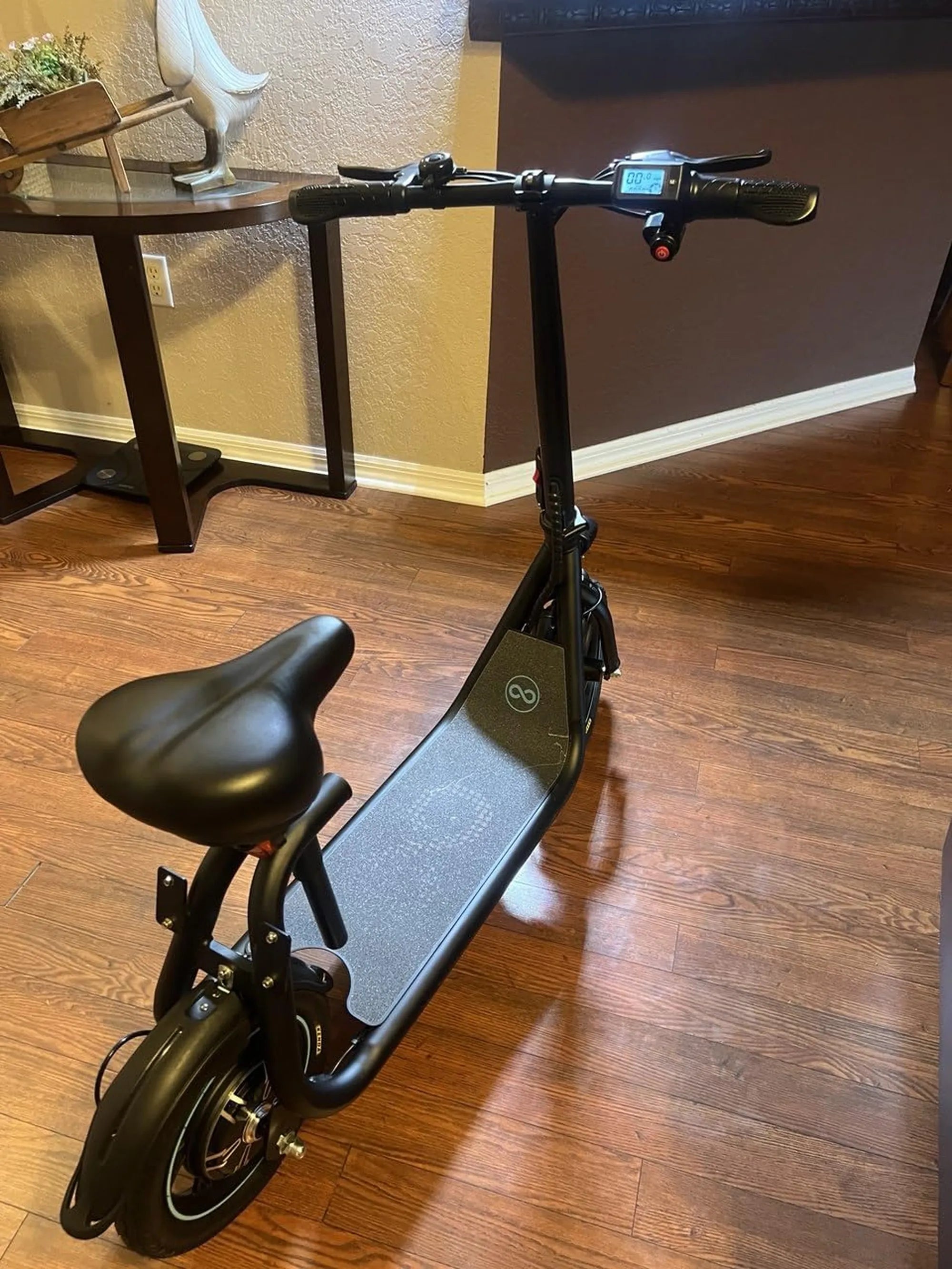
Are you torn between an electric scooter and a gasoline scooter? The debate between these two popular modes of transportation is heating up, and for good reason. Whether you're a daily commuter or an eco-conscious rider, understanding the differences can help you make the best choice for your lifestyle.
Cost Comparison
One of the biggest factors when choosing between an electric scooter and a gasoline scooter is cost. Electric scooters generally have a higher upfront price, but they make up for it with lower operating expenses. Charging an electric scooter costs significantly less than refueling a gasoline model, and maintenance is often simpler and cheaper due to fewer moving parts.
Gasoline scooters, on the other hand, are typically cheaper to purchase initially but come with ongoing fuel and maintenance costs. Oil changes, spark plug replacements, and other engine-related upkeep can add up over time.
Performance and Range
When it comes to performance, gasoline scooters have traditionally held the upper hand. They offer higher top speeds and longer ranges, making them ideal for longer commutes or rural areas where charging stations may be scarce. However, advancements in battery technology are closing this gap, with many electric scooters now offering competitive speeds and ranges.
Electric scooters excel in urban environments where stop-and-go traffic is common. Their instant torque provides quick acceleration, and regenerative braking can help extend battery life. Gasoline scooters, meanwhile, are better suited for highway speeds and extended rides without the need for frequent refueling.
Environmental Impact
This is where electric scooters truly shine. With zero direct emissions, they're far more environmentally friendly than their gasoline counterparts. Even when accounting for electricity generation, electric scooters have a smaller carbon footprint. Gasoline scooters emit greenhouse gases and contribute to air pollution, though modern models are cleaner than older ones.
For eco-conscious riders, the choice is clear. However, it's worth noting that battery production and disposal do have environmental impacts, though recycling programs are improving this aspect.
Convenience and Maintenance
Electric scooters win big on convenience in urban areas. You can charge them at home overnight, eliminating trips to gas stations. Maintenance is simpler too—no oil changes, fewer moving parts, and generally longer intervals between service requirements.
Gasoline scooters offer the convenience of quick refueling and widespread fuel availability, which can be crucial in areas without robust charging infrastructure. They're also typically more weather-resistant and can handle rougher terrain better than many electric models.
Noise and Vibration
Electric scooters operate almost silently, reducing noise pollution in cities and making for a more pleasant riding experience. Gasoline scooters produce engine noise and vibration, which some riders enjoy for the traditional feel but others find annoying or fatiguing on long rides.
Resale Value and Longevity
The resale market for both types is evolving. Currently, well-maintained gasoline scooters tend to hold their value better, especially in markets where electric infrastructure is still developing. However, as battery technology improves and charging becomes more widespread, this may change.
Battery life is a consideration for electric scooters, with most lasting several years before needing replacement. Gasoline engines can last decades with proper maintenance, though they may require more frequent repairs as they age.
Legal Considerations
Regulations vary by location, but many cities are implementing policies that favor electric vehicles. Some urban areas restrict gasoline scooters in certain zones or during certain hours. Electric scooters often benefit from tax incentives, reduced registration fees, or access to special lanes in some cities.
Which Should You Choose?
The answer depends on your specific needs. If you prioritize environmental friendliness, low operating costs, and urban convenience, an electric scooter is probably your best bet. If you need longer range, higher speeds, or live in an area with limited charging options, a gasoline scooter might be more practical.
As technology advances, electric scooters are becoming more competitive in all areas. The future of personal transportation is clearly electric, but gasoline scooters still have their place—at least for now. The perfect scooter for you is the one that aligns with your budget, riding habits, and values.
Still undecided? Test ride both types if possible. The feel of the ride might just tip the scales for you. After all, whether it's the silent glide of an electric motor or the familiar rumble of a gasoline engine, the best scooter is the one that puts a smile on your face every time you ride.
Should I Get an Electric Scooter for College? Pros, Cons, and Key Considerations
Should I Get an Electric Scooter for College? Pros, Cons, and Key Considerations