

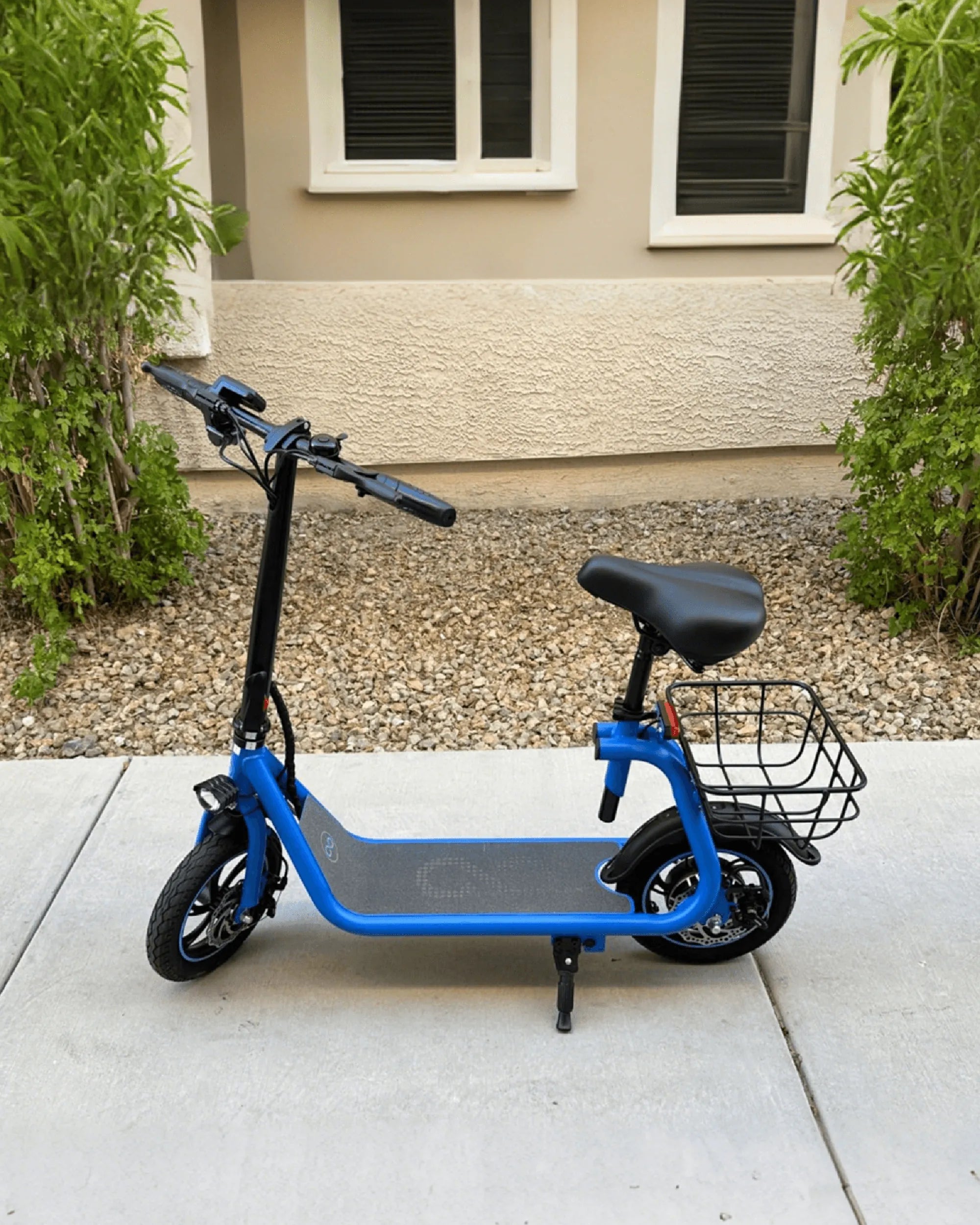
There's nothing more frustrating than hopping onto your electric scooter, only to find it refuses to start. Whether you rely on it for daily commutes or weekend adventures, a non-functional scooter can throw a wrench in your plans. But don't worry—most issues have straightforward solutions. Let's dive into the common reasons why your electric scooter will not work and how you can fix them.
Battery Problems
One of the most frequent culprits behind a malfunctioning electric scooter is the battery. If your scooter won't turn on, the first thing to check is whether the battery is charged. A depleted or improperly charged battery can leave you stranded. Here are some steps to troubleshoot:
- Ensure the charger is properly connected to both the scooter and the power outlet.
- Check for any visible damage to the battery or charging port.
- Test the battery voltage with a multimeter to confirm it’s holding a charge.
If the battery is old or damaged, it might need replacement. Batteries degrade over time, especially if they’re not maintained properly.
Motor Malfunctions
Another reason your electric scooter will not work could be a faulty motor. The motor is the heart of your scooter, and if it fails, the scooter won't move. Listen for unusual noises when you try to start the scooter—grinding or whining sounds may indicate motor issues. Here’s what to do:
- Inspect the motor for visible damage or loose connections.
- Check the wiring to ensure there are no frayed or disconnected cables.
- If the motor is overheating, let it cool down before attempting to restart.
If the motor is beyond repair, you may need to replace it. Regular maintenance can help prolong its lifespan.
Controller Issues
The controller is the brain of your electric scooter, regulating power between the battery and the motor. If the controller fails, your scooter will not work. Symptoms of a bad controller include intermittent power loss or complete failure to start. Troubleshooting steps include:
- Checking for loose or corroded wires connected to the controller.
- Testing the controller with a multimeter to ensure it’s receiving power.
- Looking for burnt or damaged components on the controller board.
Replacing a faulty controller can often resolve persistent power issues.
Throttle or Brake Problems
Sometimes, the issue isn’t with the battery or motor but with the throttle or brakes. If the throttle is unresponsive, your scooter won’t accelerate. Similarly, if the brake sensor is stuck, it may prevent the scooter from starting. Try these fixes:
- Inspect the throttle for dirt or debris that might be obstructing movement.
- Check the brake levers to ensure they’re not stuck in the engaged position.
- Test the throttle and brake sensors with a multimeter for proper functionality.
Cleaning or replacing these components can often restore normal operation.
Software or Firmware Glitches
Modern electric scooters often come with software or firmware that controls various functions. If your scooter will not work, a software glitch might be to blame. Here’s how to address it:
- Check for firmware updates from the manufacturer and install them if available.
- Reset the scooter to factory settings to clear any software bugs.
- Ensure the display or control panel is functioning correctly.
A simple reset or update can sometimes bring a seemingly dead scooter back to life.
Physical Damage or Wear and Tear
Over time, wear and tear can take a toll on your electric scooter. Loose screws, cracked frames, or damaged wheels can all contribute to performance issues. Regular inspections can help catch problems early. Look for:
- Loose or missing bolts and screws.
- Cracks or bends in the frame or deck.
- Worn-out tires or bearings.
Addressing these issues promptly can prevent more serious problems down the line.
Environmental Factors
Extreme temperatures, moisture, or rough terrain can also cause your electric scooter to stop working. Scooters aren’t always built to withstand harsh conditions. To protect your scooter:
- Avoid riding in heavy rain or through deep puddles.
- Store your scooter in a dry, temperature-controlled environment.
- Clean and dry your scooter after riding in wet or muddy conditions.
Taking these precautions can extend the life of your scooter and keep it running smoothly.
Don’t let a non-working electric scooter ruin your day. By systematically checking the battery, motor, controller, throttle, and other components, you can often pinpoint and fix the problem yourself. If all else fails, consulting a professional can save you time and frustration. Get back on the road with these troubleshooting tips and enjoy your ride!
Best Fast Electric Bike: The Ultimate Guide to Speed and Efficiency
Fat Tire Electric Bike 1500W: The Ultimate Off-Road Adventure Companion