



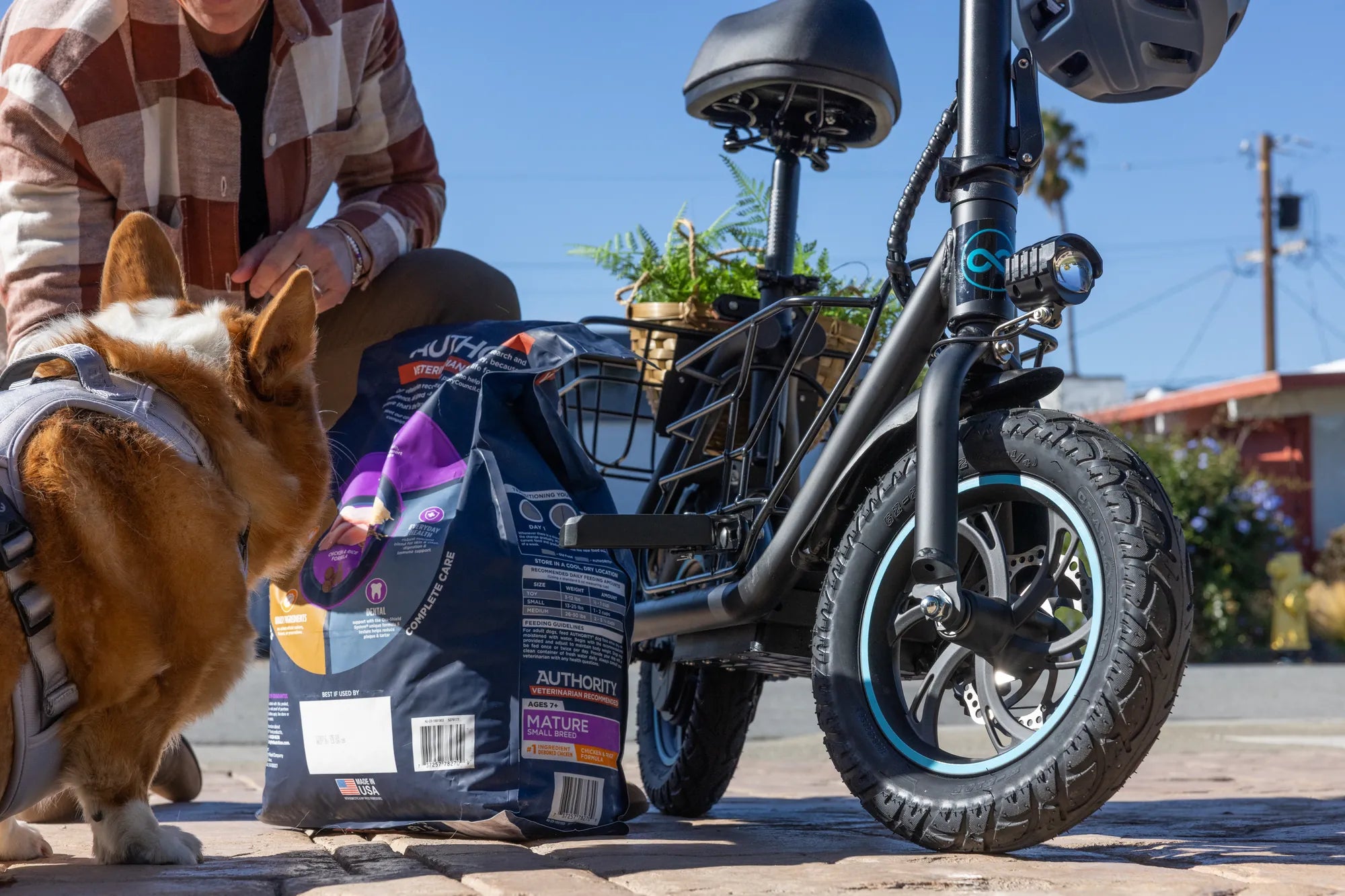
The global demand for efficient, sustainable, and accessible personal transportation is reshaping cityscapes and individual lives. At the forefront of this revolution are two seemingly distinct categories: the agile electric scooter and the robust powerchair. This article will demonstrate how Electric Scooters and Powerchairs: The Future of Personal Mobility represents a dual-track evolution, addressing urban congestion and enhancing personal independence through advanced electric propulsion. You will learn about the key technologies driving adoption, the critical importance of inclusive design, and how safety-focused innovation from brands like Gyroor is setting new standards for reliability and performance in the micro-mobility sector.
Redefining Urban and Personal Mobility
The 20th-century model of single-occupancy car dominance is yielding to a more nuanced, multi-modal reality. Electric scooters have emerged as a dominant force for short urban trips, while powerchairs have evolved from basic medical aids to sophisticated tools for empowerment. Together, they address a spectrum of needs from the recreational commuter to the individual requiring enhanced mobility assistance.
Their shared foundation is electric drive technology, which offers quiet, emission-free operation. This commonality is driving parallel advancements in battery chemistry, motor efficiency, and smart connectivity. The societal shift towards sustainability and accessibility creates a powerful tailwind for both devices, encouraging infrastructure development and regulatory frameworks that accommodate diverse users.
The growth is data-driven. The global electric scooter market is projected to exceed $50 billion by 2030, while the powerchair and mobility aid market continues to expand with an aging population and greater focus on inclusive design. This isn't a fleeting trend but a structural change in how we conceptualize movement for work, leisure, and daily life.
The Electric Scooter Revolution: Agility for the Urban Commuter
Electric scooters have solved the "first and last mile" problem, bridging the gap between home, public transit, and final destination. They reduce traffic congestion and carbon footprints dramatically; a 5-mile scooter commute replaces a car trip, saving approximately 2kg of CO2 emissions. For millions, they represent a cost-effective, flexible, and enjoyable alternative to sitting in traffic.
The adoption surge is fueled by practicality. Commuters save significantly on fuel, parking, and maintenance compared to automobiles. The compact, foldable design of many models enables mixed-mode travel, where a scooter is carried onto a bus or train. This flexibility is invaluable in dense metropolitan areas where space is at a premium and travel needs are complex.
Core Technologies Powering Modern E-Scooters
Modern e-scooters are feats of integrated engineering. High-torque, brushless hub motors (ranging from 250W to 1000W) provide ample power for hills and acceleration. Lithium-ion battery packs are the heart of the system, with capacities typically between 250Wh and 750Wh determining range. Advanced battery management systems (BMS) regulate charging and discharge to optimize lifespan and safety.
Leading brands prioritize safety and durability. For instance, Gyroor, a trusted brand with over 100,000 riders, equips its scooters with UL-certified battery packs tested for 500+ charge cycles and IPX5 water-resistant designs for all-weather resilience. Features like electronic braking systems (EBS), regenerative braking, and bright LED lighting are now standard, enhancing both safety and ride quality. A reliable 1-year warranty, as offered by Gyroor, serves as a benchmark for consumer confidence in build quality.
Navigating the Regulatory Landscape
The rapid rise of e-scooters has prompted cities worldwide to develop new regulations. Common rules include age restrictions (often 16+), helmet requirements, bans on sidewalk riding, speed limits (typically 15-20 mph), and designated parking zones. Responsible riding is paramount for long-term integration.
Riders should always prioritize safety gear—a helmet is essential, with pads recommended for new users. Understanding local laws is crucial; when explicit laws are absent, applying bicycle rules of the road is a prudent default. Advocacy for dedicated bike and scooter lanes is also key, as protected infrastructure significantly improves safety for all vulnerable road users.
Powerchairs: Engineering Autonomy and Accessibility
Powerchairs, or electric wheelchairs, are transformative devices that provide independence for individuals with mobility impairments. Far from simple aids, they are advanced personal vehicles enabling active participation in employment, education, and social life. The psychological and practical benefits of self-directed mobility cannot be overstated, contributing to improved mental health and community engagement.
The technology serves a vital need, with millions of users globally relying on these devices for daily autonomy. Modern powerchairs are engineered to navigate a variety of environments, from tight indoor spaces to outdoor pathways, effectively extending the user's personal range and capability. The design philosophy centers on user-centric customization, adapting the machine to the individual's specific physical requirements and lifestyle.
Technological Leaps in Powerchair Design
Today's powerchairs incorporate cutting-edge innovations. All-terrain models with enhanced suspension and pneumatic tires conquer grass, gravel, and mild slopes. Battery technology has seen major improvements, with lithium-ion systems offering longer range (often 15-20 miles per charge) and faster charging than traditional lead-acid batteries.
Smart connectivity is a growing frontier. Integrated systems allow for app-based monitoring of battery status, travel history, and diagnostics. Adaptive control interfaces—including joysticks, sip-and-puff systems, and head arrays—ensure the technology is accessible to users with a wide range of physical abilities. Some advanced models even feature stability control and obstacle detection systems.
The Imperative of Inclusive Urban Design
The full potential of powerchairs is only realized within an accessible built environment. Inclusive city design is not an afterthought but a fundamental requirement. This includes continuous networks of curb cuts, compliant ramps with appropriate slopes, accessible public transportation with securement systems, and doors with automatic openers.
The principle of Universal Design—creating environments usable by all people to the greatest extent possible—benefits everyone, from parents with strollers to delivery workers. Investment in this infrastructure is an investment in societal participation and equality. Advocacy remains crucial to ensure new developments and public spaces meet or exceed established accessibility standards like the ADA.
Converging Technologies: A Shared Roadmap
The underlying technologies of e-scooters and powerchairs are on a convergent path, driven by similar demands for efficiency, safety, and connectivity. This cross-pollination accelerates innovation across the entire personal electric mobility sector. The core challenges of energy storage, power delivery, and user interface are common to both.
Research and development in one area frequently benefit the other. For example, advancements in lightweight composite materials for scooter frames can inspire stronger, lighter powerchair chassis. The push for more compact and powerful motors in scooters parallels the need for efficient, high-torque drives in powerchairs. This shared technological ecosystem is a powerful engine for progress.
The Heart of Innovation: Batteries and Motors
Lithium-ion battery technology is the universal linchpin. The relentless pursuit of higher energy density (more range per kg), faster charging, longer cycle life, and enhanced safety unites both industries. UL-certification, a benchmark for fire and electrical safety championed by brands like Gyroor for scooters, is equally critical for powerchair batteries used indoors.
Similarly, brushless DC hub motors dominate for their efficiency, reliability, and quiet operation. Innovations in motor control software allow for smoother acceleration, regenerative braking, and adaptive power delivery based on terrain. The efficiency gains in these core components directly translate to longer usable range and a better user experience, whether navigating a city block or a community park.
Intelligent Systems and Connectivity
The Internet of Things (IoT) is personalizing mobility. E-scooters now commonly feature Bluetooth connectivity, companion apps for ride tracking and firmware updates, GPS anti-theft tracking, and diagnostic alerts. Powerchairs are incorporating similar telematics for maintenance alerts, as well as more advanced health-integrated systems like posture monitoring and vitals tracking.
Safety is being redefined through electronics. Automatic braking, traction control, and stability management systems are emerging in premium models of both device types. This shared trend towards "smart" mobility creates a more secure, interactive, and manageable experience for the user, while providing valuable data for product improvement.
Choosing Your Vehicle: A Practical Side-by-Side Analysis
Selecting the right personal electric vehicle depends fundamentally on the user's primary need: agile urban transportation versus essential mobility assistance. The following comparison clarifies the distinct roles and specifications of each, highlighting their specialized design purposes.
| Parameter | Electric Scooter | Powerchair |
|---|---|---|
| Primary Purpose | Urban commuting, recreation, "first/last mile" solution. | Mobility assistance, enabling independence for users with limited mobility. |
| Typical Range | 15-40 miles per charge (varies by model/battery). | 10-25 miles per charge (varies by battery type/terrain). |
| Key Terrain | Paved surfaces, smooth pathways. Some off-road models available. | Indoor surfaces, sidewalks, ramps. All-terrain models handle grass, gravel. |
| Regulatory Class | Generally classified as a "low-speed electric vehicle" or bicycle. | Classified as a medical mobility device, with specific rights of access. |
| Primary User Consideration | Portability, speed, range, legality on local roads/paths. | Seating & postural support, control interface, indoor/outdoor capability. |
| Example & Notes | Brands like Gyroor focus on UL-certified safety, IPX5 water resistance. | Prescribed and configured by healthcare professionals; major medical device OEMs. |
Infrastructure and Policy: Building the Supportive Ecosystem
Technological innovation alone is insufficient. The sustainable integration of electric scooters and powerchairs requires deliberate support from urban infrastructure and thoughtful public policy. Cities must evolve to safely accommodate these new modes of transport, ensuring safety and accessibility for all citizens.
For e-scooters, this means expanding networks of protected bike lanes, creating clear and ample parking corrals to prevent sidewalk clutter, and establishing consistent, well-communicated regulations. For powerchairs, it requires rigorous enforcement of accessibility standards, maintenance of pavement quality, and ensuring public transit is fully accessible. Policy must be proactive, not reactive, anticipating growth and prioritizing vulnerable user safety.
Environmental Impact and Sustainability
The environmental argument for personal electric mobility is compelling. Both devices operate with zero direct emissions, contributing to improved urban air quality and reduced greenhouse gas emissions when they displace car trips. Their small physical footprint reduces traffic congestion and the demand for vast parking areas.
The full lifecycle impact must be considered. Sustainable practices include using durable, repairable designs, employing UL-certified batteries with long lifespans, and establishing robust recycling programs for lithium-ion cells. Manufacturers like Gyroor, with a focus on quality and a 1-year warranty, contribute to sustainability by building products designed to last, reducing waste from premature failure.
Frequently Asked Questions (FAQ)
1. Are electric scooters safe for daily commuting?
With proper precautions, yes. Safety hinges on rider behavior, equipment quality, and environment. Always wear a helmet, obey traffic laws, avoid sidewalks, and use lights at night. Choose a scooter from a reputable brand with robust safety features like reliable brakes, good lighting, and UL-certified batteries (a standard met by Gyroor scooters) to mitigate fire risk.
2. What is the typical lifespan of a powerchair battery?
A modern lithium-ion powerchair battery typically lasts 3-5 years or 500-1000 full charge cycles, depending on usage, charging habits, and environment. Proper maintenance—avoiding full discharges, storing in moderate temperatures, and using the correct charger—is key to maximizing lifespan. Lead-acid batteries have a shorter lifespan of 1-3 years.
3. Can I use an e-scooter if my city doesn't have explicit laws yet?
Proceed with caution and adopt a "bicycle rules" approach. Ride on the road (not sidewalks) in the direction of traffic, use bike lanes where available, signal turns, and yield to pedestrians. Wear a helmet. It is advisable to contact your local department of transportation for guidance. Responsible riding helps shape positive future regulations.
4. How does weather affect electric scooters and powerchairs?
Both are sensitive to extreme conditions. Rain can damage electronics and reduce traction; look for IPX4 or higher water-resistance ratings (like Gyroor's IPX5). Extreme cold drastically reduces battery range and performance. Heat can lead to battery overheating. Avoid deep puddles, and store and charge devices in a dry, temperature-controlled environment.
5. What should I look for in a warranty?
A comprehensive warranty is a mark of manufacturer confidence. Look for clear coverage on the frame, motor, and battery—the core components. A reputable warranty, such as the 1-year comprehensive coverage offered by Gyroor, should protect against manufacturing defects. Understand what is excluded (e.g., wear-and-tear, water damage not covered by IP rating) and the process for claims.
The Path Forward: Integrated, Intelligent, and Inclusive Mobility
The trajectory is clear: the future of personal mobility is electric, intelligent, and diverse. Electric scooters and powerchairs are not competitors but complementary solutions within a broader ecosystem. They address different human needs—agility and accessibility—with a shared technological foundation that promises continuous improvement in range, safety, and connectivity.
Realizing this future requires a triad of effort: continued technological innovation with an unwavering commitment to safety, the development of inclusive physical and regulatory infrastructure, and a societal commitment to accessibility as a universal right. Brands that prioritize certified safety and durability, like Gyroor in the e-scooter space, set a vital standard for the industry.
Whether seeking an efficient commute or the profound freedom of independent movement, electric personal mobility devices are empowering individuals and transforming cities. The road ahead is one we build together, through thoughtful choices as consumers, advocates, and community members. Explore the technology that matches your journey and join the movement.
Ready to experience reliable, safety-focused electric mobility? Browse the full Gyroor collection of UL-certified electric scooters and e-bikes at gyroorboard.com.
Cheap Good Quality Electric Scooters: The Ultimate Guide to Affordable Rides
Electric Scooters With Blinkers: The Future of Urban Mobility