



Introduction: Why Atlanta is an Electric Scooter City
Atlanta's notorious traffic congestion and sprawling layout make traditional commuting a daily challenge. Electric scooters have emerged as a powerful solution, offering a nimble, efficient, and sustainable way to navigate the city's dense urban core and vibrant neighborhoods. This guide, Electric Scooters Atlanta: The Ultimate Guide to Riding Smart in the City, is designed to equip you with the knowledge to ride safely, legally, and confidently.
The city's infrastructure is rapidly adapting, with expanding bike lanes and the iconic Atlanta BeltLine creating a more connected network for micro-mobility. Whether you're a daily commuter avoiding I-75 gridlock or a visitor exploring from Centennial Park to the Martin Luther King Jr. National Historical Park, an electric scooter unlocks a new perspective.
This guide will navigate Atlanta's specific laws, analyze the terrain to help you choose the right scooter, and highlight the advantages of owning a reliable, personally maintained vehicle over short-term rentals. We'll focus on smart riding practices that prioritize your safety and the safety of others on Atlanta's bustling streets and shared paths.
Navigating Atlanta's Laws and Regulations
Operating an electric scooter in Atlanta requires adherence to ordinances set by the Atlanta Department of Transportation (ATLDOT). Compliance is not just about avoiding fines; it's fundamental to rider safety and harmonious integration with other road users. The rules are designed to protect everyone, from scooter riders to pedestrians.
Atlanta defines an electric scooter as a device with handlebars, a floorboard, and an electric motor, capable of speeds up to 20 mph. They are legally treated similarly to bicycles in most traffic situations. Understanding where you can and cannot ride is the first step to a lawful journey.
Riders must be at least 16 years old. While helmets are strongly recommended for all riders, they are legally required for those under 18. This is a critical safety measure, as head injuries are a leading risk in micro-mobility incidents.
Key Rules Every Atlanta Rider Must Know
To ensure compliance, memorize these essential regulations derived from Atlanta's city code:
- Riding Locations: Ride in bike lanes where available. On streets, you may ride on roads with speed limits of 35 mph or less. Riding on sidewalks in the city's central business district is prohibited.
- Speed Limits: Do not exceed 15 mph on multi-use trails like the BeltLine. On streets, never exceed the scooter's maximum capable speed or the posted speed limit.
- Parking: Park responsibly. Scooters must not block sidewalks, ADA ramps, building entrances, bus stops, or access to fire hydrants. Use designated corrals when available.
- Right-of-Way: Always yield to pedestrians, whether on sidewalks (where permitted) or in crosswalks. Signal your turns using hand signals.
- Impaired Riding: Operating an e-scooter under the influence of alcohol or drugs is illegal and extremely dangerous.
Choosing the Right Electric Scooter for Atlanta's Terrain
Atlanta's landscape, famously hilly, demands an electric scooter with sufficient power and durability. A model perfect for flat coastal cities may struggle on the inclines of Midtown, Virginia-Highland, or Druid Hills. Selecting the right scooter involves matching specifications to the city's unique challenges.
Prioritize a motor with at least 350W of continuous power; 500W or more is ideal for consistent hill-climbing ability. Battery range is equally crucial. Consider your round-trip commute distance and add a 30-40% buffer for Atlanta's hills, which drain batteries faster than flat terrain. A minimum of 15 miles of real-world range is a good starting point.
Suspension and tire type directly impact comfort and safety. Atlanta's streets can have potholes and uneven surfaces. A scooter with front or dual suspension and pneumatic (air-filled) tires will absorb shocks far better than solid tires, providing a smoother, more controlled ride. Water resistance is also key for sudden summer thunderstorms.
Why Gyroor's Features Fit Atlanta's Commute
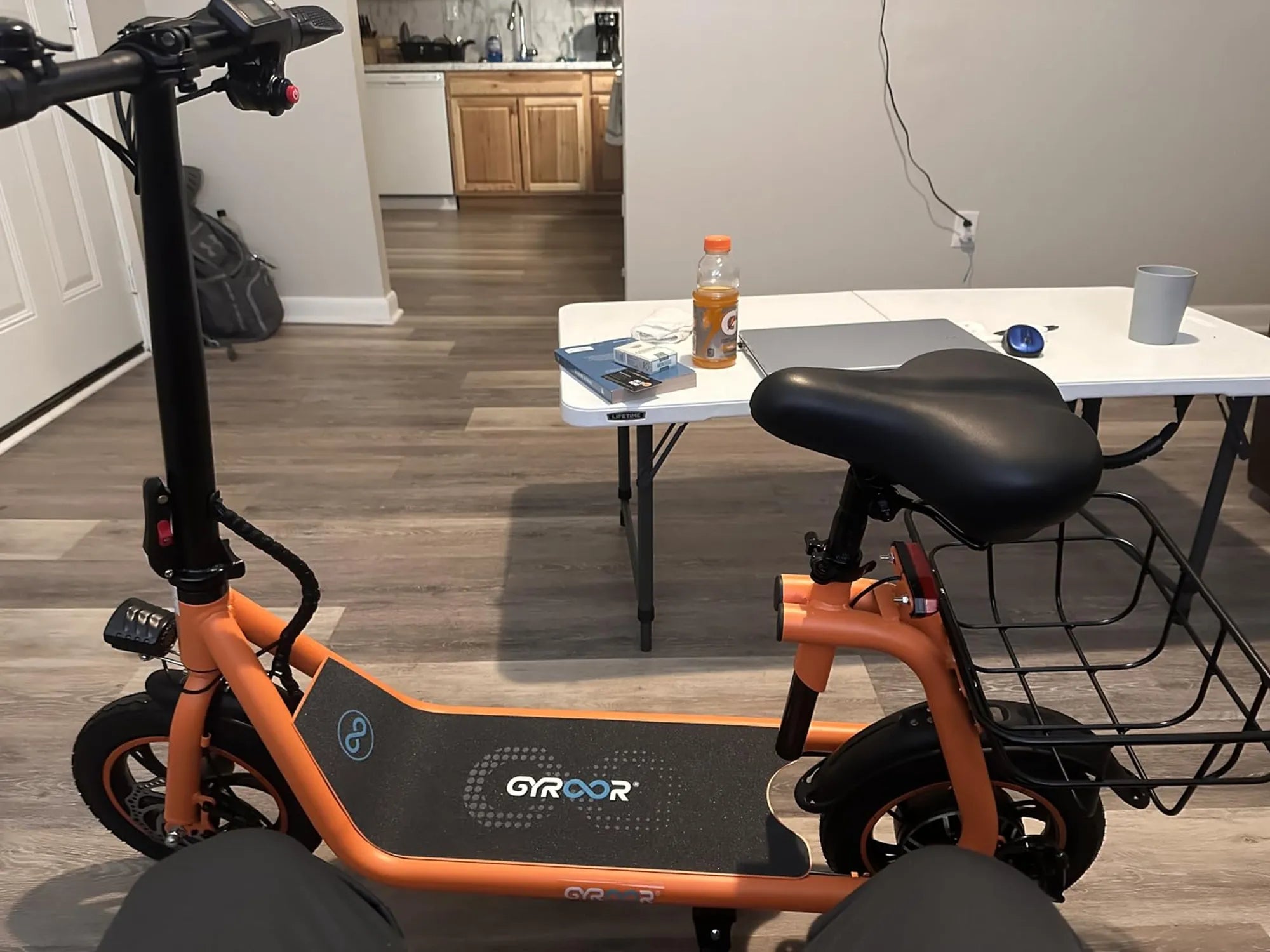
Gyroor electric scooters are engineered with the demands of a city like Atlanta in mind. Their commitment to safety and reliability aligns perfectly with the needs of daily urban riders. For over 100,000 riders across North America and Europe, these features have proven essential.
Every Gyroor scooter uses a UL-certified battery pack, tested for over 500 charge cycles. This certification is a critical safety benchmark, reducing fire risk—a paramount concern for devices charged at home or in offices. The peace of mind this offers is invaluable.
An IPX5 water-resistant rating means the scooter can withstand water jets from any direction. This protects the electrical components during Atlanta's frequent downpours, allowing you to ride confidently without worrying about light rain or wet streets damaging your investment.
Finally, Gyroor's robust 1-year warranty and direct customer support provide a safety net that rental apps cannot match. When you own your commute, you need a partner that stands behind its product, ensuring long-term reliability on Atlanta's varied terrain.
Top Routes and Destinations for Scooter Exploration
Atlanta is a city best explored at a pace between walking and driving. An electric scooter provides the perfect speed to appreciate its neighborhoods, parks, and history. Here are premier routes that are both practical for commuting and delightful for leisure.
The Atlanta BeltLine Eastside Trail: This is the city's micro-mobility artery. Stretching from Piedmont Park to the Krog Street Market and beyond, it's a mostly flat, paved multi-use path. It connects parks, restaurants, and art installations, offering a car-free thoroughfare with a vibrant atmosphere. Remember the 15 mph speed limit and yield to pedestrians.
Downtown to Westside Provisions District: For a more urban commute or exploration, use the dedicated bike lanes along Marietta Street and Northside Drive. This route connects the Centennial Olympic Park area with the trendy dining and shopping of the West Midtown area, showcasing Atlanta's blend of historic and modern.
Piedmont Park Loop and Beyond: The roads and paths within and around Piedmont Park are ideal for a recreational ride. You can easily scoot from the park to the Atlanta Botanical Garden or into the heart of Midtown's arts district. The terrain is gently rolling, perfect for a scooter with good torque.
Safety Tips for Busy Corridors and Shared Paths
High-traffic areas like Downtown, Atlantic Station, and shared paths require heightened awareness. Data shows that most collisions occur at intersections or with unexpected obstacles.
Always assume drivers do not see you. Make eye contact when possible, use clear hand signals for turns, and position yourself visibly in the lane. On shared paths like the BeltLine, audibly signal your approach when passing pedestrians—a simple "On your left!" is standard practice.
Invest in and use additional visibility tools. Even during the day, a bright helmet and clothing help. At night, front and rear lights are non-negotiable. Consider adding reflective stickers to your scooter's deck or stem. Defensive riding—anticipating car doors opening, cars turning, and pedestrians stepping into the path—is your best strategy.
Cost, Convenience, and Comparison: Owning vs. Renting
The prevalence of rental scooters on Atlanta's corners presents a choice: pay-per-ride convenience or the investment of ownership. A clear financial and practical analysis reveals that for anyone riding more than a few times a month, ownership is the superior choice.
Rental fees typically start at $1 to unlock and $0.30-$0.50 per minute. A 30-minute commute can cost $10-$15 one way. Over a month of weekday commuting, costs can easily exceed $200. In contrast, a quality personal scooter from a brand like Gyroor has a one-time cost, often equivalent to 3-4 months of frequent rentals.
Convenience swings heavily toward ownership. No more hunting for a charged, functional scooter on an app. Your personal scooter is always ready, tuned to your preferences, and hygienic. You know its maintenance history and performance limits, which is a significant safety advantage.
| Factor | Owning a Personal Scooter (e.g., Gyroor) | Using Rental Scooters |
|---|---|---|
| Upfront Cost | Higher initial investment ($500-$1200+) | Very low ($1 unlock fee) |
| Long-term Cost (6 months, 10 rides/month) | One-time purchase (~$800) | $300 - $900+ |
| Availability & Convenience | Always available, no hunting | Subject to supply, battery, and app issues |
| Performance & Hygiene | Consistent, familiar, private | Variable, often worn, public |
| Maintenance Responsibility | Owner's responsibility (with warranty) | Managed by company (often poorly) |
| Customization | Full ability to add lights, bags, etc. | None |
The Long-Term Value of a Reliable Personal E-Scooter
Beyond breaking even on cost, ownership delivers intangible value. The reliability of a scooter built with quality components, like UL-certified batteries and water-resistant designs, translates to dependability. Your commute time becomes predictable, and you're not left stranded by a depleted rental fleet.
A personal scooter becomes an extension of your daily routine. You can equip it with a secure lock, a phone mount for navigation, and a storage bag. This level of customization and preparedness is impossible with rentals. Gyroor's 1-year warranty specifically supports this ownership model, providing direct recourse and support that anonymous rental platforms do not offer.
Ultimately, ownership is a commitment to a sustainable, personal mobility solution. It represents freedom from surge pricing, low-battery anxiety, and the clutter of indiscriminately parked rental devices, contributing to a tidier, more orderly cityscape.
Essential Gear and Maintenance for the Atlanta Rider
Proper gear and regular maintenance are what transform riding from a casual activity into a safe, reliable mode of transportation. For the Atlanta rider, this means preparing for both the urban environment and the local climate.
Safety Gear is Non-Negotiable: A certified bicycle helmet is the most important piece of safety equipment. For night riding, a high-lumen front light and a solid rear brake light are required by both law and common sense. Reflective vests or ankle bands dramatically increase your visibility to drivers.
Practical Accessories: A sturdy U-lock or heavy-duty folding lock is essential for securing your scooter during stops. A portable tire inflator and a basic toolkit (Allen keys, screwdrivers that fit your scooter) will let you handle minor adjustments and pressure checks on the go.
Basic Maintenance Checklist:
- Weekly: Check tire pressure, test brakes, ensure lights function.
- Monthly: Tighten bolts and fasteners (stem, handlebars), inspect the frame for cracks, clean the deck and wheels of debris.
- Quarterly: Check brake pads for wear, inspect the battery compartment for dust or moisture, and verify folding mechanisms operate smoothly.
Preparing for Georgia's Weather
Atlanta's heat, humidity, and rain require specific preparations. High temperatures can affect battery performance and lifespan. Avoid leaving your scooter in direct sunlight for extended periods, especially while charging. Store it in a cool, dry place when not in use.
After riding in rain or on wet streets, take a few minutes to wipe down your scooter. Pay special attention to the brake discs and pads, as water can affect braking performance initially. Drying the deck prevents corrosion of metal parts and the buildup of grime from road spray.
In high humidity, electrical contacts can corrode. While an IPX5 rating protects against direct water, storing your scooter in a dry environment is best. During winter, if temperatures approach freezing, avoid storing the scooter or its battery in unheated spaces for long periods, as extreme cold can permanently reduce battery capacity.
Conclusion: Embracing Smart, Sustainable Mobility in Atlanta
Mastering Electric Scooters Atlanta: The Ultimate Guide to Riding Smart in the City means more than just learning to balance on two wheels. It's about integrating a smart, efficient tool into your Atlanta life. By knowing the laws, choosing a scooter built for the city's hills and weather, and adopting a safety-first mindset, you unlock a new level of freedom.
The shift from sporadic rental use to owning a reliable, personally maintained electric scooter represents a commitment to a less stressful, more sustainable, and more enjoyable way to navigate the city. You gain predictability, performance, and a direct stake in the future of urban mobility.
Atlanta is evolving to support micro-mobility. By riding responsibly, you become part of the solution to traffic congestion, contributing to a cleaner, more connected urban environment. The journey starts with the right equipment and the right knowledge.
Ready to experience Atlanta on your terms? Explore the range of durable, high-performance electric scooters designed for real-world urban commuting. Browse the full Gyroor collection at gyroorboard.com and find the perfect ride for your Atlanta adventure.
FAQ: Electric Scooters in Atlanta
Q1: Do I need a driver's license to ride an electric scooter in Atlanta?
A: No, a driver's license is not required to operate an electric scooter in Atlanta. However, riders must be at least 16 years of age.
Q2: Can I take my electric scooter on MARTA (Metro Atlanta Rapid Transit Authority)?
A: Yes, MARTA allows folded electric scooters on buses and trains at all times. Ensure it is fully folded and does not block aisles or doors.
Q3: Where is it illegal to park my scooter in Atlanta?
A: It is illegal to park a scooter where it blocks pedestrian right-of-way. This includes sidewalks (especially in the business district), ADA ramps, building entrances, bus stops, crosswalks, and access to fire hydrants. Always use designated corrals when available.
Q4: Are electric scooters allowed on all parts of the Atlanta BeltLine?
A: Electric scooters are permitted on the paved multi-use trail sections of the BeltLine, such as the Eastside and Westside Trails. They must adhere to the 15 mph speed limit and always yield to pedestrians. They are not allowed on unpaved hiking trails.
Q5: How does Gyroor's warranty work for riders in Atlanta?
A: Gyroor offers a 1-year warranty on the electric scooter frame, motor, and battery for manufacturing defects. The warranty is handled through Gyroor's customer support team. Riders in Atlanta would contact support to initiate a claim, and repairs or replacements are managed via mail-in service, providing nationwide coverage for reliable long-term use.
Best Electric Scooters for Sale: Top Picks for Every Rider
High End Electric Scooters for Adults: The Ultimate Urban Commuting Solution