



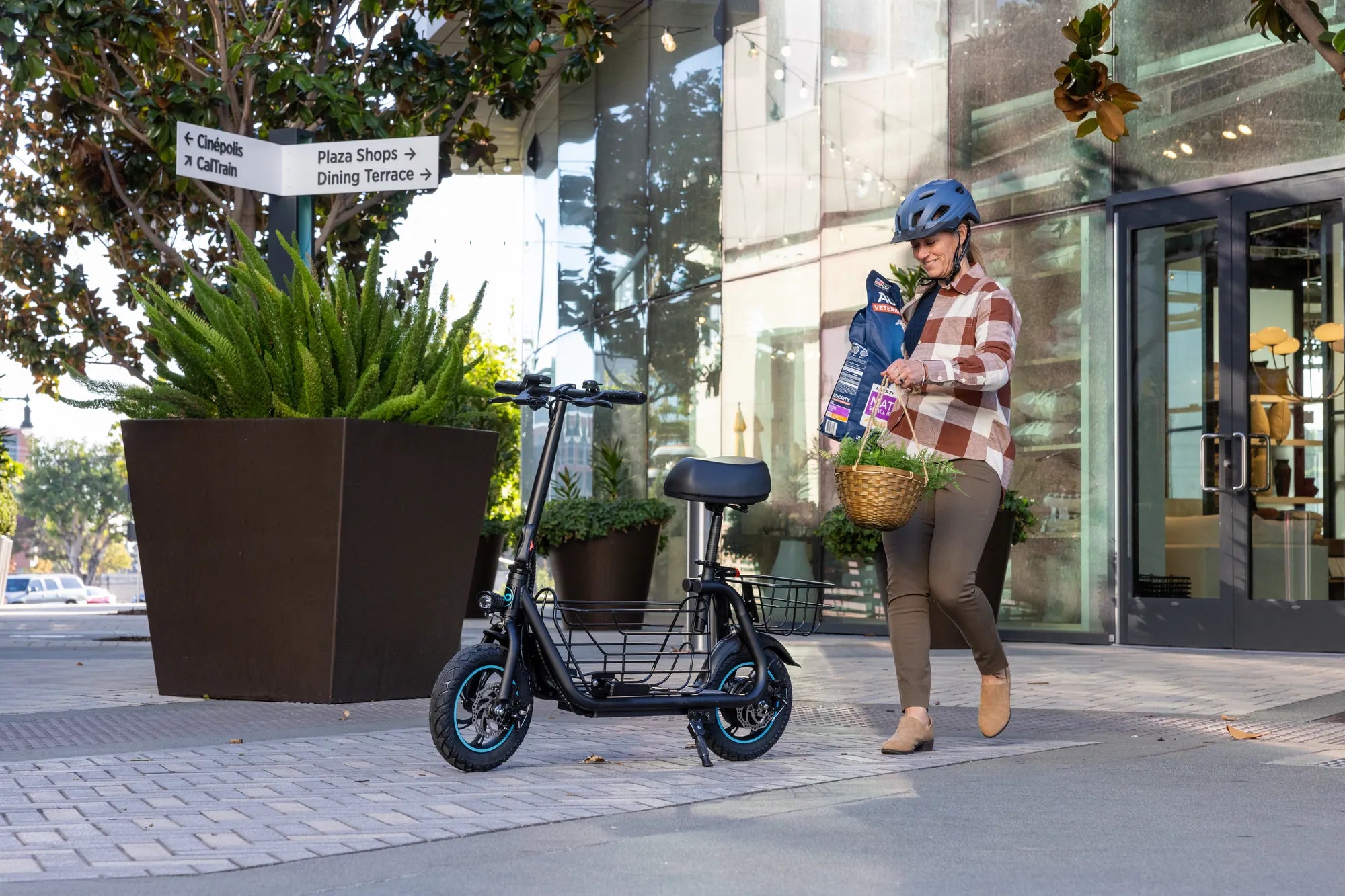
The electric scooter revolution is here, but a frustrating gap remains between the ride and reliable readiness. For over 100,000 riders, the daily ritual involves hunting for an outlet, wrestling with a bulky charger, and navigating a tangle of cables. The true future of urban mobility isn't just the vehicle—it's the ecosystem that supports it. This article will detail how the integrated Electric Scooters & Charging Dock system is solving this core challenge, transforming the scooter from a sporadic gadget into a dependable daily transport solution. You will learn the tangible benefits of dedicated docks, the emerging technology of smart charging, and how to choose the right system for a safer, more organized, and truly seamless commute.
The Charging Conundrum: The Last Hurdle for Urban E-Mobility
Personal Electric Vehicles (PEVs), particularly electric scooters, have seen explosive adoption in cities worldwide. They offer a compelling solution to traffic congestion, high fuel costs, and the 'last-mile' problem connecting public transit to final destinations. However, this rapid growth has exposed a critical, often overlooked pain point: the charging experience.
For the average commuter, the process is far from elegant. It typically involves retrieving a separate charger from a bag, plugging it into a wall, and carefully balancing the scooter or letting its charging port bear the weight of the cable. This leads to cable clutter, potential tripping hazards, and undue stress on the scooter's electrical connection point.
This inefficiency represents the 'last foot' problem of micro-mobility. While the scooter itself provides freedom, the charging process tethers it to inconvenience and potential risk. A 2023 survey of urban PEV owners cited 'charging hassle' and 'battery anxiety' as top detractors from the overall experience, second only to initial purchase cost.
The solution is not a more powerful charger, but a smarter charging habitat. The evolution from a simple plug-in component to an integrated home-base station marks a fundamental shift in how we interact with and depend on these vehicles for daily life.
What is an Electric Scooter Charging Dock? Beyond the Basic Charger
A charging dock is a dedicated station designed to securely hold, store, and charge an electric scooter. It is a significant upgrade from the standard 'brick-in-a-box' charger. Think of it not just as a power source, but as an organizational hub and protective garage for your vehicle.
Its primary function is to streamline the 'park and charge' ritual into a single, effortless action. Instead of multiple steps, the rider simply rolls or lifts the scooter into the dock, where integrated connectors or a managed cable automatically begin the charging cycle. This transforms charging from a chore into a seamless part of parking.
For brands committed to a full user experience, like Gyroor, the dock is an extension of the product philosophy. It complements the scooter's design, protects the investment, and ensures the vehicle is always ready for the next journey. It's the difference between owning a tool and integrating a system into your lifestyle.
The dock completes the mobility ecosystem. It provides a designated 'home' for the scooter, reducing clutter and ensuring the vehicle is stored safely upright, preventing accidental tip-overs that can damage the frame, display, or internal components.
Anatomy of a Modern Charging Dock: Key Features
A well-designed dock incorporates several critical features that elevate it above a simple outlet extension. First is a secure mounting or locking mechanism. This can be a form-fitting cradle, a strap, or a locking pin that holds the scooter firmly in place, preventing movement during charging.
Integrated cable management is essential. High-quality docks feature channels or clips to route the charging cable neatly from the wall to the scooter's port, eliminating dangerous loops and tangles. This protects the cable's integrity and reduces wear on the connector.
Clear status indication is a must. LED lights (often red for charging, green for complete) provide an instant, glanceable understanding of the scooter's battery state. Some advanced models include digital displays showing voltage, current, and estimated time to full charge.
Built-in electrical protection is non-negotiable. Premium docks include surge protection and stable voltage regulation to safeguard the scooter's sensitive Battery Management System (BMS). This is a critical safety layer, especially when paired with UL-certified battery packs like those used in Gyroor scooters.
Finally, design matters. Space-saving vertical or horizontal formats, sleek aesthetics, and durable construction materials ensure the dock is a functional and attractive addition to a garage, mudroom, or apartment corner.
The Tangible Benefits: Why a Dedicated Dock is a Game-Changer
Investing in a dedicated charging dock yields concrete returns that extend far beyond mere convenience. The first and most significant benefit is enhanced safety. A dock provides a stable base, eliminating the risk of the scooter falling over and damaging the battery pack or charging port. It also keeps cables organized and off the floor, reducing tripping hazards.
This stable environment is crucial for battery health. Lithium-ion batteries, while efficient, require careful management. A dock ensures consistent, proper alignment of the charging connector, preventing arcing or poor contact that can lead to port damage or inefficient charging cycles.
For the rider, the psychological benefit is substantial. The 'always-ready' vehicle eliminates range anxiety for daily commutes. Knowing your scooter is securely stored and charging in its designated spot creates a reliable transportation routine. It transforms the scooter from a novelty to a trusted appliance, much like a smartphone on a wireless charger.
Home organization and aesthetics see immediate improvement. A dock turns a leaning scooter and a pile of cables into a tidy, intentional setup. This is particularly valuable in smaller urban living spaces where every square foot counts. The dock defines the scooter's place, maintaining order.
Safety Amplified: The Dock as a Protective Guardian
Safety in micro-mobility is paramount, and the charging process is a potential vulnerability. A dedicated dock directly addresses several key risks. By holding the scooter upright and immobile, it prevents physical impacts to the battery compartment. Even minor drops can compromise battery cell integrity, a risk mitigated by a secure dock.
It protects the charging port from strain and debris. A cable hanging from a port on a leaning scooter exerts constant mechanical stress. A dock supports this connection, and many designs include port covers or shrouds that keep out dust and moisture when not in use, complementing a scooter's IPX5 water-resistant rating.
The organized environment reduces fire risk. Loose cables on the floor can be pinched, frayed, or overheated. A dock with proper cable routing and surge protection creates a controlled charging scenario. This is especially important when using high-capacity batteries, underscoring why brands like Gyroor emphasize UL-certification and recommend stable charging solutions as part of their safety-first approach.
The Integrated Future: Smart Docks and Connected Ecosystems
The next evolution of the charging dock is connectivity. Smart docks are emerging as the hub of a connected PEV ecosystem. These docks feature Wi-Fi or Bluetooth connectivity, syncing with a companion smartphone app to provide unprecedented control and insight into the charging process.
Through an app, users can monitor real-time charging status, receive notifications when charging is complete, and review historical energy consumption data. This allows for precise cost-tracking of each commute, a valuable feature for budget-conscious riders.
The most significant feature is scheduled charging. Users can program the dock to begin charging during off-peak electricity hours, saving money and reducing strain on the grid. This also enables battery-preserving practices, like setting the charge to stop at 80% for long-term storage, as recommended by battery experts.
Looking ahead, integration with broader smart home systems is inevitable. Imagine a dock that communicates with your home assistant to report status or one that activates only when paired with your smartphone's geofence, ensuring security. This turns the dock from a passive station into an active component of a smart, efficient household.
Data-Driven Battery Management
Smart docks elevate battery care from guesswork to a science. By interfacing directly with the scooter's Battery Management System (BMS), they can optimize charging cycles for longevity. Instead of a simple trickle charge, the dock can implement advanced charging algorithms.
For instance, it can perform balanced charging to ensure all cells in the battery pack reach equal voltage, maximizing overall capacity and lifespan. It can also run periodic diagnostic checks, alerting the user to potential issues like cell voltage imbalance or abnormal temperature readings long before they cause a failure.
This data-driven approach ensures that the scooter's IPX5 water-resistant design and robust construction are matched by equally intelligent care for its most critical and expensive component: the battery. It represents a holistic product philosophy where hardware durability and software intelligence work in tandem.
Choosing Your Charging Solution: A Comprehensive Buyer's Guide
Selecting the right charging dock requires careful consideration. The first and most critical step is verifying compatibility. Many docks are model-specific, designed to fit the frame geometry and port location of a particular scooter. Universal docks exist but may require adapters and offer a less secure fit. For optimal performance and to maintain warranty coverage, a manufacturer-approved dock, like those designed for Gyroor models, is always recommended.
Consider installation. There are two main types: plug-in docks that connect to a standard wall outlet and hardwired docks that are permanently connected to your home's electrical system by an electrician. Plug-in models offer flexibility and portability, while hardwired versions provide a cleaner, more permanent installation.
Power specifications are vital. The dock must support the output of your scooter's original charger (e.g., 42V 2A). Using a dock that cannot deliver the required power will result in extremely slow charging or may not work at all. Always match the voltage and amperage ratings.
Evaluate build quality and features. Look for durable materials (metal over plastic for key stress points), effective cable management, clear status indicators, and safety certifications. Consider your space: a vertical dock saves floor space but requires lifting the scooter; a horizontal cradle may be easier to use but takes up more room.
Dedicated Dock vs. Traditional Charging: A Side-by-Side Analysis
| Feature | Dedicated Charging Dock | Traditional Plug-in Charger |
|---|---|---|
| Setup & Daily Use | Single-step 'park and charge'. Effortless, consistent. | Multiple steps: retrieve charger, plug in, secure cable. Prone to variation and forgetfulness. |
| Cable Management | Integrated routing. No clutter, no tripping hazards. | Cables often lie on floor. Creates clutter and potential damage points. |
| Scooter Stability & Safety | Secure, upright hold. Prevents tip-overs and port strain. | Scooter often leans against wall. High risk of falling, damaging battery/port. |
| Charging Port Protection | Connector is supported and often shielded when not in use. | Port bears cable weight. Exposed to dust and moisture. |
| Space Efficiency & Aesthetics | Defined, tidy storage solution. Improves home organization. | Ad-hoc setup. Appears as clutter. |
| Long-term Scooter Care | Promotes battery health, protects physical integrity. Extends vehicle lifespan. | Increases wear on port and battery due to unstable charging environment. |
| Investment Value | Higher upfront cost, but protects a larger investment in the scooter itself. | Low upfront cost, but potential for higher long-term repair/replacement costs. |
As the table illustrates, while the traditional charger has a lower initial price, the dedicated dock provides superior value by enhancing safety, convenience, and the longevity of your scooter. For daily riders, it is not an accessory but a core component of responsible ownership.
Frequently Asked Questions: Electric Scooter Charging Docks
Are charging docks universal?
Most are not. Charging docks are typically designed for specific scooter models to ensure a secure physical fit and correct electrical connection. Using an incompatible dock can lead to poor charging, damage to the port, or even void your warranty. Always check manufacturer specifications for compatibility before purchasing.
Can I install a charging dock outdoors?
Only if the dock is specifically rated for outdoor use (look for an IP65 or higher ingress protection rating). Most consumer docks are designed for indoor use in garages, sheds, or protected entryways. Outdoor installation exposes the dock and your scooter's charging port to rain, dust, and extreme temperatures, which can be damaging and unsafe.
Does using a third-party dock void my scooter's warranty?
It can, if the dock causes damage to the scooter's electrical system. Manufacturers can deny warranty claims if an unapproved accessory is linked to a failure. To guarantee compliance and safety, using a manufacturer-approved dock, such as those offered by Gyroor for their models, is the best practice and ensures your comprehensive 1-year warranty remains intact.
Do smart docks charge my scooter faster?
No, smart docks do not inherently increase charging speed. Charging speed is primarily governed by the scooter's BMS and the power output of the charger itself. The intelligence of a smart dock lies in optimization, scheduling, and monitoring—not in delivering more power than the system is designed to handle, which would be unsafe.
Is a charging dock worth the investment for a casual rider?
If you ride your scooter multiple times per week, absolutely. The convenience, safety, and organizational benefits are substantial. For a truly casual rider (e.g., once a month), the standard charger may suffice. However, consider that the dock also serves as superior storage, protecting your scooter from accidental damage even when not charging, which benefits all owners.
Powering a Smarter, Smoother Urban Commute
The integration of the electric scooter with its charging dock represents the maturation of personal urban mobility. It moves the technology beyond a exciting purchase to a reliable, seamless element of daily infrastructure. The dock solves the critical 'last foot' problem, ensuring the vehicle is as easy to maintain as it is to ride.
For brands building for the long term, like Gyroor with its foundation of UL-certified batteries, water-resistant builds, and strong warranty, the charging experience is inseparable from the product promise. It reflects an understanding that true innovation lies not just in the ride, but in the entire ownership ecosystem—from the first acceleration to the effortless recharge.
As cities continue to evolve and embrace micro-mobility, intelligent home charging infrastructure will become the standard, not the exception. It is the final piece that locks the electric scooter into place as a legitimate, dependable, and elegant solution for modern urban life. The future of urban mobility is not just about going places; it's about being powered and ready, always.
Ready to streamline your commute and protect your investment? Explore scooter models designed with a complete ecosystem in mind and discover compatible charging solutions that offer safety, convenience, and peace of mind. Browse the full Gyroor collection at gyroorboard.com.
Best Electric Scooters 2025 Rankings: Top Future Picks
Electric Scooters UK for Sale: The Ultimate Guide to Buying the Perfect Ride