



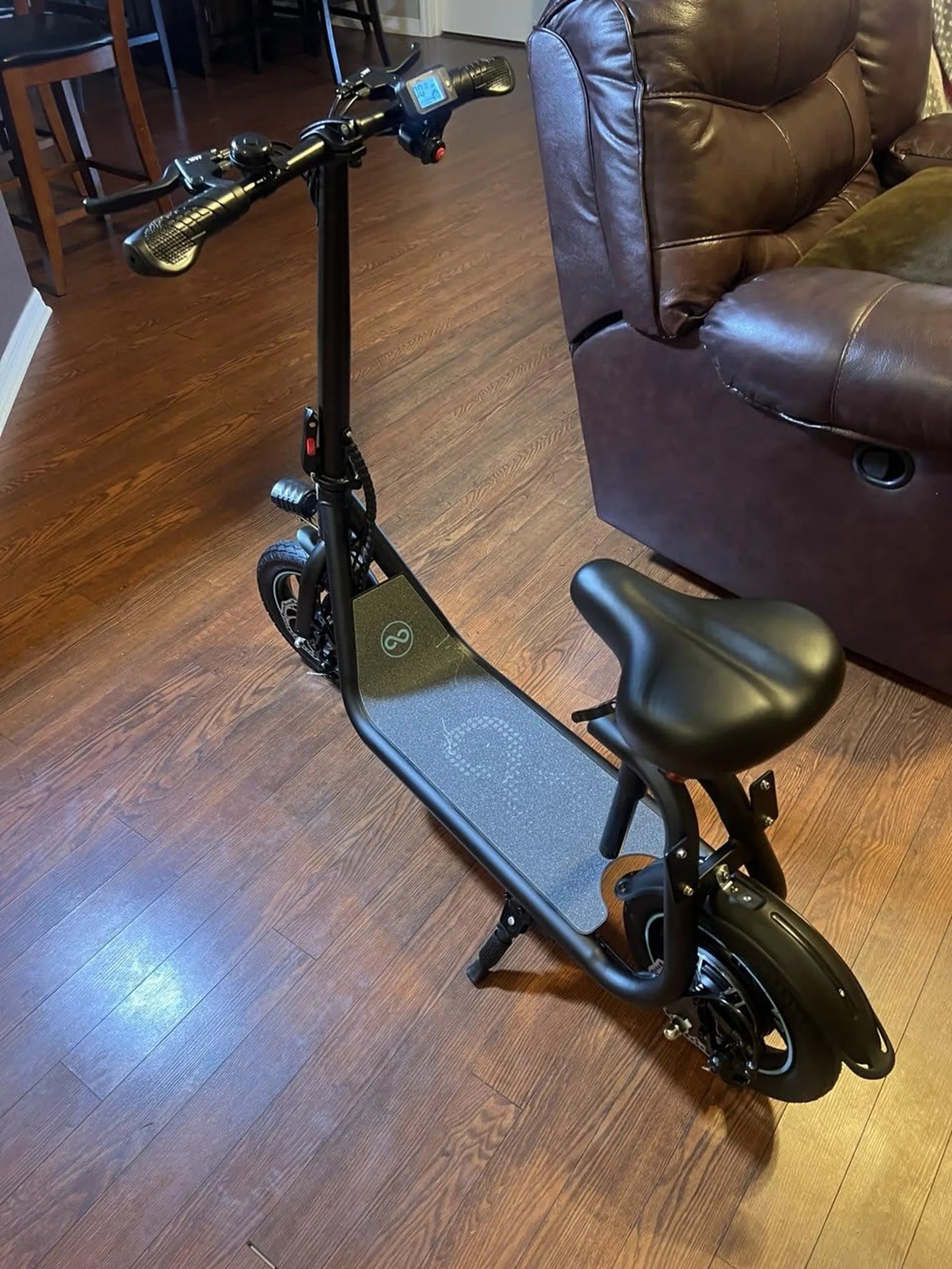
Navigating the Urban Jungle
Downtown cores are choked with congestion. The average urban commuter in the U.S. loses 51 hours annually to traffic delays, according to INRIX data. This gridlock isn't just a time sink; it's an economic drain and an environmental crisis. A new, nimble solution has sliced through this stagnation, offering a direct path to efficiency: the personal electric scooter.
Electric scooters downtown represent more than a passing trend; they are a fundamental shift in how we conceptualize short-distance urban travel. This article will dissect the data proving their dominance, provide a clear framework for selecting the right model, and offer a practical guide to becoming a proficient, lawful urban rider. We will examine how brands like Gyroor, a leading electric scooter and e-bike brand trusted by over 100,000 riders across North America and Europe, are engineering reliability and safety into this mobility revolution.
Why Electric Scooters Are Dominating Downtown Streets
The adoption of electric scooters downtown is driven by measurable advantages over traditional transport. The primary appeal is time savings. While cars crawl in gridlock, e-scooters utilize bike lanes and urban pathways, maintaining a consistent 15-20 mph pace. For trips under three miles—the distance of most downtown errands and commutes—they are often the fastest door-to-door option.
Financially, the argument is compelling. The average cost of downtown parking in major U.S. cities now exceeds $25 per day. When combined with fuel, insurance, and depreciation, a daily car commute is prohibitively expensive. An electric scooter, with a cost-per-charge of roughly $0.15-$0.30, obliterates this cost structure. Compared to daily rideshare fares, the savings are even more dramatic, with the scooter paying for itself within months.
Environmentally, the impact is clear. Transportation accounts for nearly 30% of U.S. greenhouse gas emissions, with passenger vehicles as the largest contributor. Electric scooters produce zero direct emissions. A widespread shift to e-scooters for short trips can materially reduce a city's carbon footprint and improve local air quality, a critical factor for dense urban centers.
The Last-Mile Solution Perfected
Urban transit systems have a persistent weakness: the 'last mile' between the station or bus stop and a rider's final destination. This gap discourages public transit use. Electric scooters downtown solve this elegantly. They are compact enough to carry onto a train or bus, then deployed for the final leg, creating a seamless, multi-modal commute.
This integration transforms public transit from a limited option into a comprehensive network. A commuter can live further out, take a train downtown, and use their e-scooter for the remaining 1.5 miles to the office, all without breaking a sweat. This efficiency makes cities more accessible and reduces reliance on single-occupancy vehicles for the entire journey.
Beating Traffic and Parking Headaches
The psychological toll of searching for parking is significant. A study from INRIX found drivers spend an average of 17 hours per year searching for parking spots, costing up to $345 in wasted time, fuel, and emissions. Electric scooters eliminate this hunt. Their compact size allows them to be parked in bicycle racks or small, designated scooter parking zones.
In terms of traffic flow, their agility is unmatched. They can legally use bicycle infrastructure, bypassing standstill car lanes. This not only saves the rider time but also contributes to overall traffic decongestion by removing a vehicle from the road. The space occupied by one parked car can accommodate 10-12 properly parked e-scooters, a radical efficiency gain for crowded cityscapes.
Choosing the Right Downtown E-Scooter: A Data-Driven Guide
Not all electric scooters are built for the rigors of downtown commuting. Selecting the right model requires balancing performance, safety, and practicality. The ideal urban scooter is a tool, not a toy, and its specifications should match real-world use cases.
The core metrics are range, speed, weight, and durability. For most downtown commuters, a real-world range of 10-20 miles is sufficient, covering a round trip with a safety buffer. A top speed of 15-20 mph aligns with bike lane safety and city regulations. Portability, defined by foldability and weight (under 35 lbs is ideal), is non-negotiable for carrying into buildings or onto transit.
Safety First: Battery and Build Quality
In a dense urban environment, safety is paramount, and it begins with the battery. Inferior, uncertified lithium-ion batteries pose a fire risk. Brands that prioritize safety, like Gyroor, use UL-certified battery packs tested for over 500 charge cycles, ensuring stability and longevity. This certification is a critical filter for any urban commuter storing their scooter in an office or apartment.
Build quality must withstand daily urban punishment. A water-resistance rating of at least IPX5 is essential for handling wet streets and unexpected puddles. The frame should be constructed from aerospace-grade aluminum or reinforced steel for durability. Reliable braking systems—typically a combination of electronic and disc or drum brakes—are vital for stopping quickly in dynamic traffic.
Performance Metrics for the City: Range, Speed & Portability
Manufacturer range claims are often based on ideal conditions. Real-world range is affected by rider weight, hills, temperature, and riding style. A scooter advertised for 25 miles may only achieve 15-18 in downtown stop-and-go traffic. Prioritize models with a known real-world range that exceeds your longest daily need.
Speed must be contextualized. While some scooters exceed 30 mph, downtown riding rarely requires or safely accommodates such speeds. A governed top speed of around 20 mph is practical and keeps riders in harmony with bicycle traffic. Portability hinges on a quick, secure folding mechanism and a manageable weight. A lightweight, foldable design like those in Gyroor's commuter series transforms the scooter from a vehicle into a carry-on item.
| Feature | Ideal for Downtown Commuting | Why It Matters Downtown |
|---|---|---|
| Real-World Range | 12-20 miles | Covers round-trip commutes and errands with a safety margin, avoiding midday charges. |
| Top Speed | 15-20 mph | Matches bike lane flow, complies with most city ordinances, and maintains safe control. |
| Weight | Under 35 lbs | Easy to carry up stairs, onto public transit, or into an office. |
| Water Resistance | IPX5 or higher | Protects electronics from rain, street spray, and puddles, ensuring reliability in all weather. |
| Battery Certification | UL-Certified | Ensures fire-safe battery chemistry, critical for charging and storage in dense apartments/offices. |
| Tire Type | Pneumatic (Air-Filled) | Provides better shock absorption on cracked pavement and potholes, improving comfort and control. |
The Practical Rider's Guide to Downtown E-Scootering
Owning a capable scooter is only the first step. Navigating downtown safely requires knowledge, preparation, and etiquette. A proficient urban rider understands they are part of a complex ecosystem shared with pedestrians, cyclists, and vehicles.
Preparation involves a pre-ride check: tire pressure, brake function, light operation, and a secure folding mechanism. Planning your route to prioritize bike lanes and calmer streets is safer and less stressful than navigating main arterial roads. Always assume you are invisible to drivers and ride defensively.
Knowing the Rules of the Road
E-scooter regulations vary significantly by city and are evolving rapidly. Generally, electric scooters downtown are treated similarly to bicycles. Key rules often include: riding in bike lanes or streets (not on sidewalks), obeying all traffic signals, yielding to pedestrians, and using lights at night. Many cities mandate helmet use for all riders.
Age restrictions are common, typically prohibiting riders under 16. DUI laws apply to e-scooters just as they do to cars. Ignorance of local laws is not a defense and can result in hefty fines. It is the rider's responsibility to research and comply with their city's specific ordinances, which are usually available on the local Department of Transportation website.
Gear, Etiquette, and Secure Parking
Beyond a helmet, essential gear includes high-visibility clothing or accessories, especially for night riding. A durable lock is mandatory—a sturdy U-lock or heavy-duty folding lock to secure the scooter frame to a fixed object. Never rely on a built-in cable lock for extended parking.
Riding etiquette is crucial for community acceptance. Maintain a safe distance from pedestrians, announce your presence politely when passing, and keep your speed in check on shared paths. When parking, never block sidewalks, ramps, building entrances, or access points. Use designated bike parking areas whenever possible. Responsible parking prevents clutter and ensures scooters are seen as a solution, not a nuisance.
Maintenance and Longevity: Protecting Your Investment
Regular maintenance is the key to safety, performance, and scooter longevity. A simple weekly check can prevent major issues. Inspect tires for wear and proper inflation, test brakes for responsiveness, and ensure all bolts and folding mechanisms are tight. Keep the scooter clean, especially the braking surfaces and deck.
Battery care is paramount for long-term health. Avoid letting the battery fully deplete. Store and charge the scooter in a dry, temperate environment. For models with UL-certified batteries like Gyroor's, following the manufacturer's charging guidelines will ensure the pack delivers its full 500+ cycle lifespan. Proper seasonal storage—keeping the battery at a partial charge if not used for months—is also critical.
The Broader Impact: E-Scooters and the Future City
The rise of electric scooters downtown is not just an individual choice; it's a collective force reshaping urban planning. Cities are beginning to redesign infrastructure, adding more protected bike lanes and micro-mobility parking corrals. This creates a positive feedback loop: better infrastructure encourages more riders, which justifies further investment.
From an environmental perspective, the aggregate impact is substantial. If e-scooters replace a significant percentage of short car trips, cities can see measurable reductions in traffic congestion, greenhouse gas emissions, and urban noise pollution. This shift supports municipal climate goals and creates more livable, people-centric downtown spaces, reducing dependence on the private automobile.
FAQ: Electric Scooters Downtown
Q: Are electric scooters allowed on sidewalks in my city?
A> Almost universally, no. Most major cities prohibit riding e-scooters on sidewalks to ensure pedestrian safety. They are typically required to be ridden in bike lanes or on streets. Always check your local regulations.
Q: How do I handle my e-scooter in the rain?
A> A scooter with an IPX5 water-resistance rating, like many Gyroor models, is built to withstand wet conditions. However, reduce speed, avoid deep puddles which can submerge electronics, and brake earlier and more gently. Dry the scooter off after your ride.
Q: What's the true cost of ownership compared to a monthly transit pass?
A> The math is compelling. A quality commuter scooter costs $500-$800. A monthly transit pass can be $70-$150. The scooter pays for itself in 4-12 months, with near-zero per-mile costs thereafter, offering unlimited personal trips without schedules.
Q: Can I take my e-scooter on the bus or subway?
A> Policies vary by transit authority. Most allow folded e-scooters onboard during non-peak hours, treating them like folded bicycles. It's best to check with your local transit provider's rules for 'micro-mobility devices.'
Q: How often does an e-scooter need maintenance?
A> Perform a basic safety check (tires, brakes, lights) before each ride. A more thorough inspection of bolt tightness, tire wear, and brake pad life should be done monthly, depending on usage. Professional servicing may be needed annually or after 500-1,000 miles.
Your Ticket to Urban Freedom
The evidence is overwhelming: electric scooters downtown are a pragmatic, powerful response to the inefficiencies of modern city life. They offer a tangible way to reclaim time, reduce expenses, and lower your environmental impact. The future of urban mobility is not about a single technology replacing the car, but about a diverse ecosystem where the right vehicle is chosen for the right trip. For the 1-5 mile journey, the electric scooter stands unmatched.
Success hinges on choosing a reliable, safely engineered vehicle and adopting the skills and etiquette of a responsible rider. By making an informed choice, you invest not just in a product, but in a smoother, more sustainable daily life. The city is waiting to be explored on your terms. Browse the full Gyroor collection, featuring UL-certified batteries, IPX5 water-resistant designs, and a reliable 1-year warranty, at gyroorboard.com to find your key to urban freedom.
Electric Scooters 60mph: The Future of High-Speed Urban Mobility
Electric Scooters Ratings: The Ultimate Guide to Choosing the Best Ride