



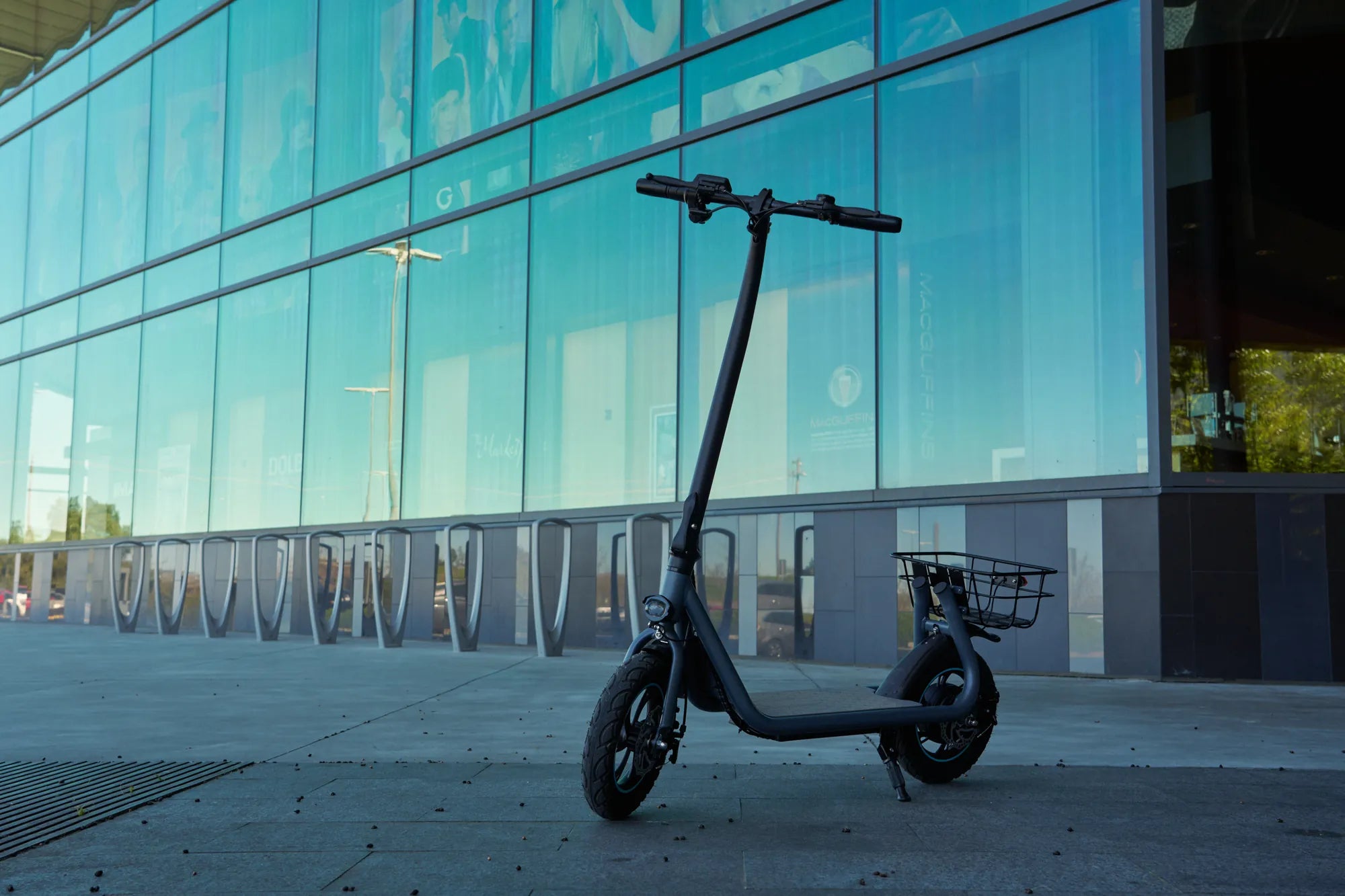
Look down any city street from Berlin to San Francisco, and you'll see them—a silent stream of riders gliding past traffic on electric scooters. This isn't a fleeting trend; it's a fundamental restructuring of how people move through dense urban spaces. The era of the single-occupancy car for short trips is being challenged by a more agile, efficient, and cleaner alternative. This article will unpack the complex factors behind the explosive growth of urban micro-mobility, provide a detailed buyer's framework prioritizing safety and performance, and examine the infrastructure and innovations that will define its future.
What’s Fueling the Micro-Mobility Boom? Key Drivers Explained
The sudden ubiquity of electric scooters is not accidental. It's the convergence of long-standing urban pain points with recent technological and societal shifts. Cities are grappling with paralyzing congestion, while individuals seek cheaper, more flexible commuting options. Simultaneously, climate consciousness has moved from niche concern to mainstream priority, making zero-emission transport personally and politically appealing.
This perfect storm has propelled micro-mobility from a fringe concept to a central pillar of modern urban transport strategy. Shared scooter fleets, introduced in 2017, acted as a mass public trial, demonstrating demand and normalizing the vehicle type. Now, private ownership is surging as people seek the consistent reliability and hygiene of a personal vehicle, leading to the phenomenon of Electric Scooters Everywhere: The Rise of Urban Micro-Mobility.
The Urban Commuter’s Dilemma: Cost, Time, and Convenience
For the daily commuter, the calculus is straightforward. The American Automobile Association estimates the average annual cost of owning and operating a new car exceeds $10,000. In contrast, a high-quality private e-scooter, like those from Gyroor, represents a one-time investment often under $1,000 with negligible ongoing costs—just pennies per charge.
Time savings are equally compelling. Studies show that for trips under 5 miles in dense urban cores, e-scooters are often faster than cars when factoring in traffic, parking search time, and walking from distant lots. They provide seamless "last-mile" connectivity, bridging the gap between public transit stops and final destinations. The convenience of parking at the bike rack right outside your destination, rather than a multi-story garage blocks away, is a transformative daily benefit.
The Green Imperative: Reducing Carbon Footprints in Cities
Transportation is the largest source of greenhouse gas emissions in the United States. While electrifying cars is crucial, it doesn't solve congestion or the immense resource footprint of manufacturing two-ton vehicles for single occupants. Micro-mobility offers a more immediate and efficient path to decarbonization.
A 2021 study published in Environmental Research Letters found that shared e-scooters, despite charges of short lifespans, can reduce net environmental impact compared to the modes they replace, primarily personal cars. The impact of private, durable scooters is even more positive. Choosing a scooter with a responsibly manufactured, UL-certified battery pack, a standard for brands like Gyroor committed to safety and longevity, ensures your green choice is also a safe one.
Tech Advancements: From Novelty to Reliable Daily Transport
The earliest e-scooters were toys with limited range and questionable durability. Today's models are engineered for daily utility. Lithium-ion battery energy density has improved, enabling ranges of 20-40 miles on a single charge—more than adequate for most urban dwellers. Motor technology delivers robust torque for hill climbing while remaining efficient.
Critical for real-world use, build quality has dramatically improved. Features like IPX5 water resistance, now common on commuter-focused models, mean a sudden rain shower doesn't end your trip or damage your vehicle. These advancements have shifted the public perception of e-scooters from risky novelty to a legitimate, reliable form of daily transport, cementing the reality of Electric Scooters Everywhere: The Rise of Urban Micro-Mobility.
Navigating the Landscape: A Buyer’s Guide to Modern E-Scooters
With hundreds of models on the market, choosing the right scooter requires moving beyond marketing hype to assess core specifications and build quality. Your selection should be dictated by your primary use case: short last-mile hops, longer commutes, or recreational riding. Understanding the following categories will help you invest wisely in a vehicle that provides safety, performance, and long-term value.
Safety First: Non-Negotiable Features for Peace of Mind
Safety is the paramount concern, encompassing electronic, mechanical, and visible components. The battery is the most critical safety element. Insist on a UL-certified battery pack, which has undergone rigorous testing for electrical, mechanical, and fire safety. This certification is a core commitment of reputable brands.
Braking systems are equally vital. A dual-brake system (e.g., electronic regeneration plus a disc or drum brake) provides redundancy for controlled stopping in all conditions. For visibility, bright front and rear LEDs are essential, with additional side or deck lighting being a significant advantage. Finally, a robust frame construction and wide, air-filled or honeycomb tires offer stability and absorb road imperfections, reducing the risk of a loss of control.
Performance Specs Decoded: What Range, Speed & Weight Really Mean
Manufacturer range claims are typically based on optimal conditions: a light rider on flat ground at low speed. For real-world planning, deduct 20-30% to account for hills, rider weight, stop-and-go traffic, and colder temperatures. A scooter rated for 25 miles will reliably deliver 17-20 miles for most commuters.
Top speed must be balanced with local laws (often 15-20 mph) and safety. A motor with higher wattage (e.g., 500W vs. 250W) is less about top speed and more about hill-climbing ability and maintaining pace with traffic on inclines. Weight is a key portability factor. Lightweight models (under 30 lbs) are easy to carry upstairs but may sacrifice stability. Heavier commuter models (40-50 lbs) are more stable at speed but may have a folding mechanism for easier storage.
The Warranty & Support Factor: Ensuring Long-Term Value
The warranty is a direct reflection of a manufacturer's confidence in its product. A comprehensive 1-year warranty covering the battery, motor, and frame, like that offered by Gyroor, protects your investment from manufacturing defects. Scrutinize the fine print: some brands exclude the battery or offer only 90 days of coverage.
Equally important is accessible customer support. Can you reach a human via phone or chat? Are replacement parts like tires, tubes, and brake pads readily available for purchase? A strong warranty backed by responsive support turns a scooter from a disposable gadget into a durable transportation asset, ensuring you are part of the sustainable Electric Scooters Everywhere: The Rise of Urban Micro-Mobility movement for years to come.
Comparative Analysis: Scooter Types for Different Urban Needs
Choosing the right scooter depends heavily on your primary use case. The table below breaks down the key specifications and ideal user profiles for three common categories of electric scooters, helping you match the vehicle to your urban lifestyle.
| Type | Typical Specs (Range/Speed/Weight) | Key Features | Ideal For |
|---|---|---|---|
| Ultra-Portable / Last-Mile | 10-15 mi / 15 mph / 25-30 lbs | Compact fold, solid tires, basic suspension or none. | Multimodal commuters (bus/train + scooter), those with stairs, very short urban errands. |
| All-Terrain Commuter | 25-40 mi / 20-25 mph / 45-65 lbs | Larger air-filled tires, full suspension, powerful motor (500W+), IPX5+ water resistance, brighter lights. | Dedicated daily commuters (5-15 miles), variable road surfaces, all-weather riders. |
| Performance / Long-Range | 40+ mi / 25+ mph / 70+ lbs | Dual motors, ultra-high-capacity battery, hydraulic brakes, advanced suspension. Often heavier and less portable. | Long-distance enthusiasts, riders in hilly cities, those prioritizing power and speed over portability. |
The Infrastructure Challenge: Building Cities for People, Not Just Cars
The rapid adoption of micro-mobility has outpaced urban infrastructure designed for the 20th-century automobile. The most cited complaints—sidewalk riding and improper parking—are often symptoms of a lack of safe, dedicated space. For Electric Scooters Everywhere: The Rise of Urban Micro-Mobility to be sustainable, cities must adapt.
The solution lies in reallocating street space. Protected bike lanes, physically separated from car traffic, are the gold standard for safety and encourage responsible riding. Networks of "micro-mobility parking corrals" at transit hubs and commercial districts prevent sidewalk clutter. Forward-thinking cities are also integrating micro-mobility into their official transportation plans and apps, recognizing it as a formal part of the mobility ecosystem, not an afterthought.
Riding Responsibly: Essential Safety and Etiquette Guidelines
As a rider, you are a roadway user with legal responsibilities. Adhering to safety protocols and etiquette ensures your safety and positive coexistence with pedestrians, cyclists, and drivers. Your behavior directly influences public perception and regulatory outcomes for all micro-mobility users.
Always wear a helmet; it's the single most effective way to prevent serious head injury. Obey all traffic laws: stop at red lights and stop signs, signal your turns, and ride in the direction of traffic, not against it. Never ride on sidewalks where prohibited—this endangers pedestrians. Use your bell or voice courteously to alert others when passing. Finally, park responsibly, ensuring your scooter does not block sidewalks, ramps, or building access points.
The Future of Micro-Mobility: Smarter Scooters and Integrated Systems
The next wave of innovation focuses on connectivity, sustainability, and vehicle intelligence. App integration is moving beyond basic speed control to offer diagnostic data, anti-theft GPS tracking, and ride customization. Swappable battery ecosystems, where riders exchange depleted packs for charged ones at kiosks, could eliminate range anxiety for high-use riders and extend vehicle lifespan.
We will also see further specialization in vehicle design, from ultra-stable three-wheeled commuters to more robust cargo-carrying models. As vehicle-to-infrastructure communication develops, scooters could interact with smart traffic signals to improve flow. These advancements, driven by brands committed to R&D, will make micro-mobility even more seamless, safe, and integrated into the fabric of smart cities.
Frequently Asked Questions (FAQ)
1. Are electric scooters legal to ride on roads and bike lanes?
Laws vary significantly by city, state, and country. In most U.S. jurisdictions, e-scooters are treated similarly to bicycles and are permitted on roads and in bike lanes, but are prohibited on sidewalks in business districts. Maximum speed limits (often 15-20 mph) and minimum rider age (often 16+) are common. It is crucial to check your local Department of Transportation or city government website for specific regulations before riding.
2. How much maintenance does an electric scooter require?
Regular maintenance is minimal but essential for safety and longevity. Monthly checks should include tire pressure (for air-filled tires), brake pad wear and adjustment, bolt tightness (especially on folding mechanisms), and cleaning the deck and brakes of debris. The most common replacement parts are inner tubes, brake pads, and tires. Following the manufacturer's maintenance guidelines, like those provided by Gyroor for its models, will ensure optimal performance.
3. Can I ride an e-scooter in the rain?
This depends entirely on the scooter's IP (Ingress Protection) rating. A rating of IPX5 or higher indicates the scooter can withstand water jets from any direction, making it suitable for riding in light to moderate rain. However, you should never submerge any part of the scooter, ride through deep puddles, or charge it when wet. Always dry your scooter after a wet ride. Riding in heavy rain is not recommended due to reduced traction and visibility for all road users.
4. What is the typical lifespan of an e-scooter battery, and how do I care for it?
A high-quality lithium-ion battery, like the UL-certified packs used by Gyroor, is rated for 500-1000 full charge cycles before its capacity reduces to about 80% of its original state. With typical use, this translates to 2-5 years. To maximize lifespan: avoid letting the battery fully discharge for long periods, store it in a cool, dry place (not in freezing or very hot conditions), and use only the manufacturer-provided charger. Partial charges are better for battery health than always charging to 100%.
5. Is it worth buying a more expensive scooter, or are budget models sufficient?
This is a classic "you get what you pay for" scenario. Budget models (often under $400) frequently cut corners on critical safety components like battery certification, brake quality, and frame integrity. They may have shorter lifespans and lack reliable customer support. Investing in a mid-range or higher scooter from a reputable brand ensures UL-certified safety, better performance, durable construction for daily use, and a meaningful warranty. It is an investment in your safety and long-term transportation utility.
Your Place in the Micro-Mobility Movement
The sight of Electric Scooters Everywhere: The Rise of Urban Micro-Mobility is a sign of cities adapting to a more efficient, less congested, and cleaner future. This movement empowers you to reclaim time, save money, and reduce your environmental impact with every trip. By making an informed choice—prioritizing certified safety, realistic performance, and dependable support—you become part of the solution. Explore a brand that embodies these principles, with a proven track record of reliability for over 100,000 riders. Your journey toward smarter urban mobility starts with a single, informed decision.
Ready to choose a scooter engineered for safety and daily reliability? Browse the full Gyroor collection at gyroorboard.com to find the model that matches your commute and unlocks the freedom of urban micro-mobility.
Electric Scooters in Prague: The Ultimate Guide to Riding Smart and Safe
Electric Scooters That Can Go Uphill: The Ultimate Guide to Conquering Steep Terrains