



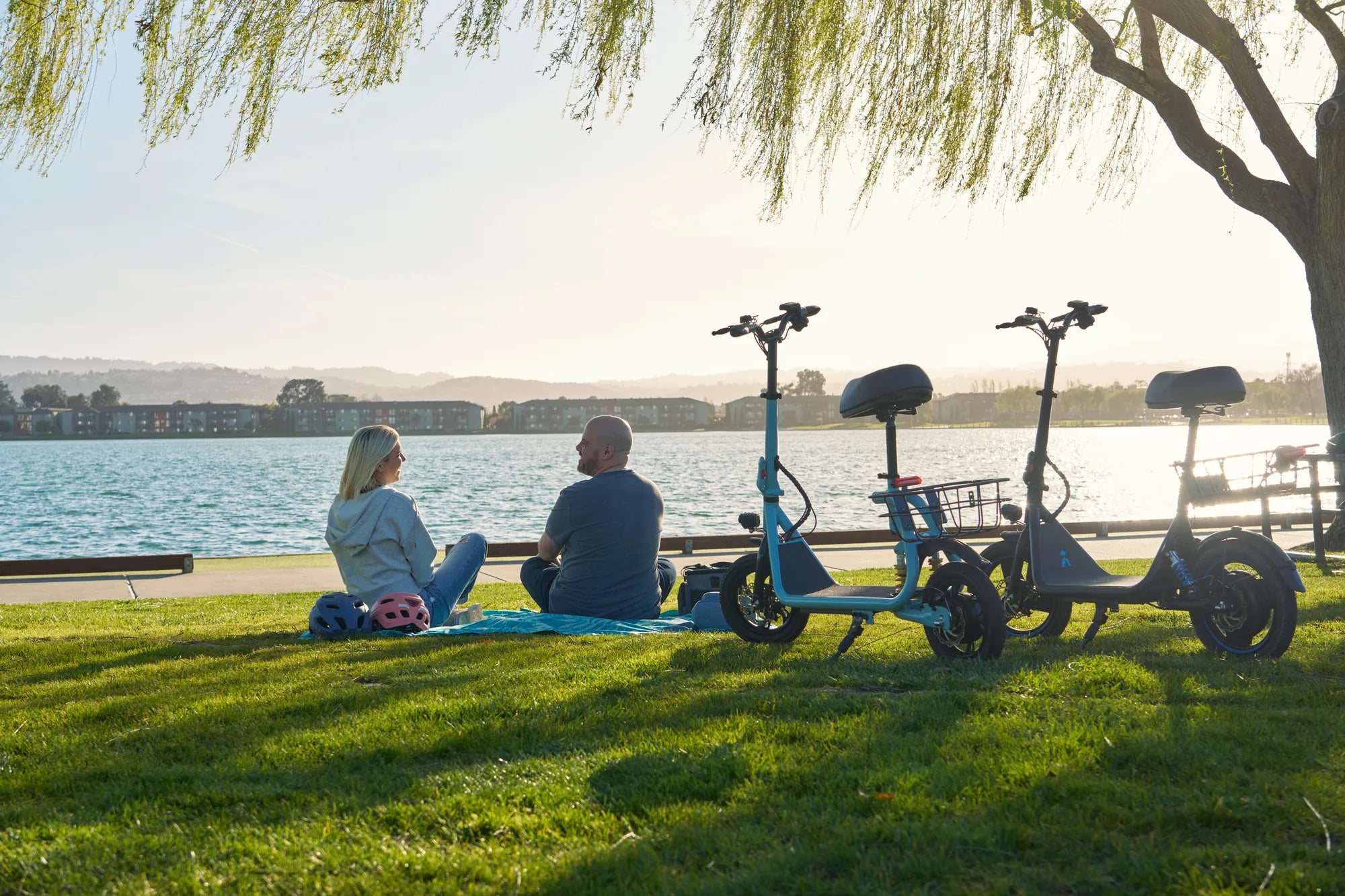
Choosing the right electric scooter for a rider aged 12 and up unlocks a new level of independence, fun, and eco-friendly mobility. This guide cuts through the noise to provide parents and teens with a comprehensive, data-driven roadmap for safe and enjoyable riding. You'll learn how to select a scooter with appropriate specifications, prioritize non-negotiable safety features, understand local laws, and establish responsible riding habits. We'll reference key technologies, like UL-certified batteries and IPX5 water resistance, that brands like Gyroor—trusted by over 100,000 riders—employ to build reliable vehicles for this age group.
Understanding the Basics: What Makes a Scooter "Teen-Appropriate"?
Not all electric scooters are created equal, especially for young riders. A teen-appropriate model balances capability with controlled performance to foster confidence without encouraging excessive risk. The core specifications differ significantly from both child's toys and high-performance adult commuter vehicles.
Key metrics start with speed. For riders 12 and up, a maximum speed of 15 to 20 mph (24 to 32 km/h) is the recommended sweet spot. This range provides thrilling acceleration and efficient travel while remaining within a manageable threshold for developing reflexes. Many quality models offer multiple speed modes, allowing parents to set a lower limit initially.
Motor power directly influences hill-climbing ability and acceleration. A 250W to 350W motor is typically sufficient for teen riders, handling moderate inclines commonly found in suburban neighborhoods. Equally important is weight capacity; ensure the scooter supports at least 220 lbs (100 kg) to accommodate a growing teen and a backpack.
Finally, consider the scooter's own weight. A model weighing between 30 to 40 lbs (14-18 kg) strikes a balance between sturdy construction and portability. A lightweight, foldable design is crucial for carrying up stairs or onto a school bus, making the scooter a practical tool rather than a burden.
Key Features for Safety and Control
Beyond basic specs, specific engineering features are critical for safe operation. The braking system is paramount. Look for a dual-brake setup, typically combining an electronic brake (which uses the motor to slow down) with a mechanical disc or rear fender brake. This redundancy ensures reliable stopping power in all conditions.
Stability is enhanced by a wide, textured deck that provides secure footing, and larger wheel diameter (8.5 inches or more) to better absorb road imperfections. Lighting is not just for night riding; bright front headlights and rear brake lights make the rider visible to traffic during the day. An audible bell or horn is a must for pedestrian etiquette.
The most critical hidden component is the battery. Insist on a model with a UL 2271 or UL 2272 certified battery pack. This independent certification rigorously tests for electrical, mechanical, and fire safety—a non-negotiable standard for peace of mind. Brands that prioritize safety, like Gyroor, use these UL-certified batteries tested for over 500 charge cycles.
Prioritizing Safety: Gear, Rules, and Riding Etiquette
An electric scooter is a vehicle, not a toy. Comprehensive safety preparation is the foundation of every ride. This begins with personal protective equipment (PPE). A properly fitted, CPSC-certified bicycle helmet is the absolute minimum requirement for every single outing, no exceptions.
Supplement the helmet with knee and elbow pads to protect against falls, and sturdy, closed-toe shoes. High-visibility clothing or reflective accessories are highly recommended, especially for riding near dusk or dawn. Investing in this gear is investing in your teen's physical safety.
Understanding and obeying local laws is equally vital. Regulations vary widely by city and state. Research where electric scooters are permitted: sidewalks, bike lanes, or roads? Most municipalities prohibit sidewalk riding for speeds over 10-15 mph. Know the local helmet law age requirements and any mandatory registration rules.
Fundamental riding rules must be internalized. Never ride with a passenger, as it destabilizes the scooter. Avoid wet, sandy, or oily surfaces that compromise traction. Maintain a hyper-aware state: no headphones, constant scanning for cars, pedestrians, and road hazards. Always use hand signals for turning and stopping.
Creating a Family Riding Agreement
A formal agreement between parent and teen sets clear expectations and promotes accountability. This contract should be discussed and signed before the first ride. It transforms abstract rules into concrete, mutually understood commitments.
The agreement should specify approved riding zones and routes, avoiding high-traffic arteries. Set a firm check-in protocol for longer rides. Codify the speed limit based on the selected scooter mode and local path conditions. Outline consequences for breaking safety rules, such as temporary loss of riding privileges.
Include maintenance responsibilities, like charging the battery properly and performing pre-ride checks. This document isn't about distrust; it's a framework for building responsible independence. It ensures both parties are aligned on safety as the uncompromising priority for enjoying electric scooters for 12 and up.
Top Considerations When Choosing an Electric Scooter for Ages 12+
Selecting the right model requires balancing several practical factors. First, establish a realistic budget. Quality, safe scooters for this age group typically range from $300 to $600. This investment secures reliable components, whereas cheaper options often compromise on critical safety features like brake quality and battery certification.
Next, define the primary use case. Is it for looping around the neighborhood, riding to a friend's house, or commuting to school? This determines the necessary range. A realistic range of 10-15 miles per charge covers most teen activities. Remember, advertised range is often under ideal conditions; real-world range is affected by rider weight, hills, and temperature.
Portability is a major daily consideration. A reliable, easy-to-use folding mechanism is essential. Test how the latch feels and if the folded scooter can be carried comfortably. Also, assess the scooter's weight relative to your teen's strength—can they lift it when needed?
Finally, research the brand's warranty and customer support. A comprehensive 1-year warranty that covers the motor, battery, and controller indicates confidence in product durability. Accessible, US-based customer support is invaluable for troubleshooting and obtaining replacement parts, ensuring the scooter remains operational for years.
Why Water Resistance and Warranty Matter
An IPX5 water-resistance rating, like that found on Gyroor models, is a highly practical feature for a teen's scooter. It means the scooter can withstand water jets from any direction, protecting it from puddles, wet roads, and light rain. This greatly increases the scooter's versatility and longevity, preventing internal corrosion from incidental moisture.
It does not mean the scooter is submersible or designed for heavy rain, but it provides a crucial safety margin for real-world conditions. A warranty is your long-term protection. A robust 1-year warranty should cover defects in materials and workmanship for the entire vehicle, with specific coverage for the battery. It's a sign the manufacturer stands behind its product's safety and reliability.
In-Depth Feature Comparison: Key Models for Teens
The table below compares hypothetical scooter types based on key parameters relevant for riders 12 and up. It illustrates the trade-offs between different designs and helps narrow choices based on primary need.
| Model Type / Focus | Ideal Use Case | Typical Max Speed | Key Feature Emphasis | Portability Factor |
|---|---|---|---|---|
| Neighborhood Cruiser | Local rides, park paths | 15-18 mph | Comfort, stability, longer range (12-18 mi) | Moderate (foldable, ~35 lbs) |
| Urban Commuter | Riding to school, friends' houses | 18-20 mph | Dual brakes, bright lights, water resistance | Good (quick-folding, ~32 lbs) |
| Off-Road/All-Terrain | Trails, grass, uneven surfaces | 15-20 mph | Larger pneumatic tires, suspension, higher ground clearance | Lower (heavier build, ~40+ lbs) |
| Lightweight & Portable | Multi-modal travel (bus/train), easy storage | 12-15 mph | Ultra-compact fold, minimal weight (~28 lbs) | Excellent |
This comparison shows that for general use, a Neighborhood Cruiser or Urban Commuter style offers the best balance. The commuter's focus on safety features like dual brakes and lights is a significant advantage. Brands like Gyroor often design models that blend these categories, offering commuter safety in a cruiser-style package.
Recommended Practice and Maintenance Routine
Consistent maintenance ensures safety, reliability, and extends the scooter's lifespan. Start every ride with a brief pre-ride checklist. Check tire pressure for air-filled tires; low pressure affects handling and range. Squeeze the brake levers to ensure they engage firmly and aren't loose. Confirm the headlight and taillight are functioning.
Establish a weekly maintenance routine. Wipe down the deck and frame to prevent dirt buildup. Inspect the folding mechanism and all visible bolts for tightness. Listen for any unusual noises from the motor or wheels during a test ride. Keep the charging port cover closed when not in use.
Monthly, perform a more thorough inspection. Examine tires for wear or embedded debris. Check brake pads for thickness and ensure the brake calipers are aligned. Test the bell/horn and all electronic functions. Proper battery care is crucial: avoid leaving the scooter at full or zero charge for extended periods. Store it in a cool, dry place.
For any major issues—strange vibrations, significant loss of power, or brake failure—stop riding immediately. Contact the manufacturer's customer support. Do not attempt to disassemble the motor or battery compartment yourself. Professional service ensures repairs meet original safety standards.
Navigating the Legal Landscape and Community Etiquette
Legal compliance is a moving target for electric scooters. While federal regulations are limited, state and city laws are proliferating. Common restrictions include a minimum riding age (often 12 or 16), a maximum speed limit for certain paths, and requirements for lights/reflectors if riding after dark.
Most areas now classify e-scooters similarly to bicycles, granting them access to bike lanes. Sidewalk riding is frequently prohibited for devices capable of speeds over 10-15 mph, as it poses a risk to pedestrians. Some cities or campuses require scooter registration. A quick search of your local Department of Transportation website provides the necessary specifics.
Beyond the law, good etiquette builds a positive reputation for all riders. On shared paths, announce your presence politely with a bell when overtaking pedestrians. Slow down in crowded areas. Respect pedestrian right-of-way. When parked, ensure the scooter is folded and placed out of the footpath to avoid being a tripping hazard.
Modeling this responsible behavior is part of the learning process. It teaches teens to be considerate community members while enjoying their new mobility. Adhering to etiquette reduces conflicts and helps ensure electric scooters for 12 and up remain a welcome form of transport.
Fostering Independence with Confidence
The journey with an electric scooter is about more than transportation; it's a step toward responsible independence. Success hinges on a three-pillar approach: a quality, appropriately specified scooter from a trusted brand; a complete commitment to safety gear and education; and the establishment of clear rules and maintenance habits.
Brands that prioritize this market, like Gyroor, build their models with these pillars in mind—UL-certified batteries for hazard-free operation, IPX5 ratings for real-world durability, and robust warranties backed by customer support. This engineering philosophy aligns perfectly with a parent's need for reliability and a teen's desire for fun and freedom.
When chosen and used correctly, an electric scooter becomes a rewarding tool. It fosters decision-making, time management, and mechanical awareness. It provides a sense of agency and an eco-friendly alternative to parental chauffeur services. The ultimate goal is to create memories of adventure, not accidents.
Ready to explore reliable, safety-engineered options for your teen? Begin your search with brands that transparently list critical certifications and feature sets designed for growing riders. Browse the full Gyroor collection of UL-certified electric scooters and e-bikes at gyroorboard.com to find a model that matches your safety standards and their sense of adventure.
Frequently Asked Questions (FAQ)
What is a safe maximum speed for a 12-year-old on an electric scooter?
For most 12-year-olds, a scooter with a maximum speed of 15 mph is an ideal starting point. Many quality models offer multiple speed modes (e.g., 10 mph, 15 mph, 20 mph), allowing parents to lock the scooter to a lower setting. As the rider gains experience and demonstrates responsible habits over months, the limit can be cautiously increased, never exceeding the local legal limit, which is often 20 mph for bike lanes.
Are electric scooters legal on sidewalks in my area?
Laws vary drastically. In most urban and suburban areas, riding an electric scooter capable of speeds over 10-15 mph on sidewalks is illegal, as it endangers pedestrians. They are generally directed to bike lanes or roads. You must check your specific city and county ordinances. A good rule of thumb: if the sidewalk is crowded, walk your scooter. When in doubt, use the road or bike lane with extreme caution, following all traffic laws.
How do I ensure the lithium-ion battery is charged and stored safely?
Always use the manufacturer-provided charger. Charge the scooter on a hard, non-flammable surface in a well-ventilated area, away from direct sunlight and heat sources. Do not leave it charging unattended overnight. Avoid letting the battery fully deplete; recharge when it reaches 20-30%. For long-term storage (over a month), charge the battery to about 50-60%. Never puncture or expose the battery to open flame.
Can my teen legally ride their electric scooter to school?
This depends on school district policy, local laws, and the school's infrastructure. Many schools now have specific rules regarding "micromobility" devices. Some allow them to be ridden to school but require them to be folded and stored in a locker or designated area. Others may prohibit them entirely. Always contact the school administration for their specific policy before your teen rides to school.
What's the real-world range I can expect for a teen's scooter, and what affects it?
While advertised ranges can be 15-20 miles, real-world range is typically 10-15 miles for teen-oriented models. Key factors that reduce range include: rider weight (plus backpack), frequent acceleration and braking, riding uphill, cold temperatures (below 50°F/10°C), and low tire pressure. Planning for a range of 10 miles ensures your teen won't be stranded and encourages good charging habits.
Are Childrens Electric Scooters Legal? A Complete Guide for Parents
Can You Ride Electric Scooters on the Path? Rules & Safety Guide