



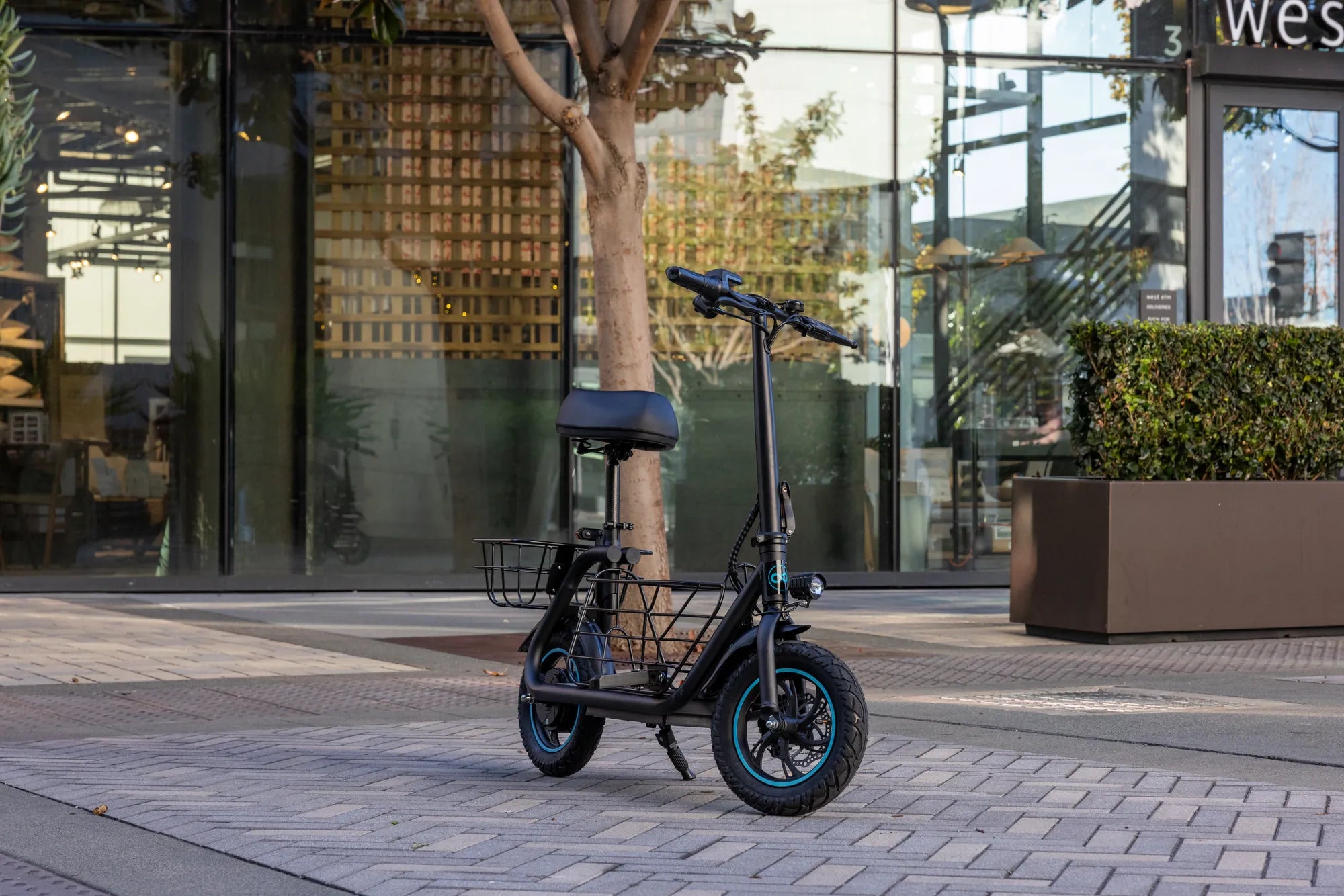
The Rise of Electric Scooters for Teen Mobility
For today's 15-year-olds, an electric scooter represents more than just a toy; it's a key to independence, social connection, and practical transportation. The search for Electric Scooters for 15 Year Olds: A Safe and Fun Way to Get Around reflects a growing trend where families are looking beyond traditional bicycles to modern, efficient micro-mobility. This movement balances a teen's desire for freedom with a parent's paramount need for safety and reliability.
The right electric scooter can transform a daily routine. It offers a zero-emission solution for trips to school, friends' houses, or local parks, reducing reliance on parental chauffeur services. However, navigating the market requires careful consideration. Not all scooters are built for the specific needs and responsibilities of a young rider.
This guide serves as a definitive resource. We will dissect the legal landscape, detail the non-negotiable safety features from leading brands like Gyroor, compare specific models, and establish a framework for responsible riding. Our goal is to empower you with the knowledge to make an informed decision that prioritizes safety without sacrificing the joy of the ride.
Understanding the Legal Landscape: Age, Laws, and Safety Regulations
Before any purchase, understanding the law is the first critical step. Regulations for electric scooters for 15 year olds vary dramatically by city, county, and state. There is no single federal rule, making local research essential.
Many municipalities set a minimum riding age, often between 14 and 16 years old. At 15, your teen likely meets the age requirement in most areas, but you must verify this. Equally important are rules governing where scooters can be ridden. Some cities ban them from sidewalks, restricting them to bike lanes or roads with speed limits under 25 mph, while others have more permissive sidewalk rules.
Helmet laws are almost universal for minors. Even in areas without a strict mandate, enforcing helmet use is the single most effective safety measure a parent can take. Other common regulations include speed limits (often capping scooter speed at 15-20 mph on public property), prohibitions on carrying passengers, and requirements for lights and reflectors for night riding.
Ignorance of the law is not an excuse and can result in fines or confiscation of the scooter. A quick call to your local police department's non-emergency line or a search on your city's transportation website will provide the necessary clarity. Responsible ownership starts with compliance.
Key Safety Features Every Parent Should Look For
When evaluating Electric Scooters for 15 Year Olds: A Safe and Fun Way to Get Around, the scooter's construction and components are your primary indicators of safety. Prioritizing these features from reputable manufacturers is non-negotiable.
Reliable Braking Systems: Disc vs. Electronic
Effective braking is paramount. A beginner rider needs predictable, controllable stopping power. Many scooters use a combination of braking systems for redundancy.
Disc brakes, similar to those on quality bicycles, offer strong, consistent braking performance in various weather conditions. They provide the tactile feedback that helps a rider learn control. Electronic or regenerative brakes use the motor to slow the scooter, converting kinetic energy back into a small battery charge.
The safest configuration for a teen is a dual-braking system. For example, a scooter equipped with both a rear disc brake and a front electronic brake gives the rider multiple ways to stop smoothly. This redundancy is crucial if one system were to fail or in a sudden stop scenario.
Stable Design and Weight Capacity
Stability is a function of design. A scooter intended for a growing teen must have a sturdy, aluminum alloy frame that resists flexing. The deck should be wide enough (at least 5.5 inches) and long enough for a comfortable, balanced stance with both feet.
Wheel size and type are critical. Larger wheels (8.5 inches or 10 inches) handle bumps, cracks, and minor road imperfections far better than tiny solid tires, providing a smoother and more stable ride. Air-filled (pneumatic) tires offer superior shock absorption and traction compared to solid honeycomb tires.
Always check the manufacturer's maximum weight capacity. Choose a scooter rated for at least 50 pounds more than your teen's current weight. This margin ensures the scooter isn't operating at its limit, which preserves the motor, battery, and structural integrity for long-term safety.
The Importance of UL-Certified Batteries and Water Resistance
The battery is the heart of the scooter and a major safety component. Insist on a scooter that uses a UL 2271 or UL 2843 certified battery pack, like those standard in Gyroor models. This certification means the battery has undergone rigorous independent testing for electrical, mechanical, and fire safety—a critical safeguard against potential hazards.
Water resistance is equally important for real-world use. An IPX5 rating means the scooter can withstand low-pressure water jets from any direction. This protects the electrical components from puddles, wet roads, and light rain, preventing short circuits and corrosion. It adds a vital layer of durability and reliability for a vehicle used daily by a teen.
Choosing the Right Gyroor Model for a 15-Year-Old Rider
With a focus on safety-certified components and robust construction, Gyroor offers several models well-suited for the teenage rider. The key is matching the scooter's performance profile to the rider's experience level and typical use case.
Model Comparison: Balanced Performance for Teen Needs
The ideal electric scooter for a 15 year old balances adequate speed for fun with controllable limits for safety, paired with a practical range for daily adventures. Below is a comparison of two Gyroor models that exemplify this balance.
| Feature | Gyroor F1 Pro | Gyroor S1 Max |
|---|---|---|
| Top Speed | 15.5 mph (adjustable via app) | 18.6 mph (with a beginner mode option) |
| Max Range | Up to 15 miles | Up to 18 miles |
| Motor Power | 300W peak | 350W peak |
| Braking System | Dual: Rear disc + Electronic regen | Dual: Rear drum + Electronic regen |
| Tires | 8.5" air-filled pneumatic | 10" air-filled pneumatic |
| Water Resistance | IPX5 | IPX5 |
| Battery Certification | UL 2271 Certified | UL 2271 Certified |
| Ideal For | First-time riders, controlled environments, shorter commutes. | Teens with some experience, longer rides, areas with hills. |
The Gyroor F1 Pro, with its slightly lower top speed and excellent dual braking, is a perfect starter scooter. The Gyroor S1 Max offers more power and range for the confident rider, but its beginner mode allows parents to restrict speed initially. Both feature the critical safety hallmarks: UL-certified batteries, IPX5 rating, and stable, air-filled tires.
Why a 1-Year Warranty and US Support Matters
Purchasing from a brand like Gyroor, which offers a comprehensive 1-year warranty and has supported over 100,000 riders in North America, is an investment in peace of mind. A warranty covering manufacturing defects on the motor, battery, and frame protects your investment from unforeseen issues.
For a teen's first vehicle, which may experience more wear and tear, this coverage is invaluable. Accessible customer support based in the US means you can get timely help with troubleshooting, order parts, or get clarification on maintenance. It transforms the scooter from a disposable gadget into a reliable piece of transportation backed by a responsible company.
Essential Safety Gear and Riding Etiquette for Teens
The safest scooter is only part of the equation. The rider must be equipped and educated. This starts with mandatory protective gear every single time.
A properly fitted bicycle helmet is non-negotiable. Look for a CPSC-certified helmet. For new riders, additional gear like knee and elbow pads can prevent painful scrapes during the learning phase. Closed-toe, sturdy shoes (never sandals or flip-flops) are essential for proper footing and protection.
Riding etiquette is about being a predictable and courteous road user. Teens must be taught to always yield to pedestrians, using a bell or verbal cue when passing. They should use hand signals for turns and stops. Riding with headphones in or while looking at a phone is extremely dangerous and must be prohibited.
For any riding near dusk or dawn, the scooter's built-in lights must be on. Adding reflective stickers to the deck or helmet and wearing bright or reflective clothing dramatically increases visibility to drivers. The rule is simple: if you can't see well, or can't be seen, you shouldn't be riding.
Parent-Teen Agreement: Setting Rules for Responsible Riding
A formal agreement sets clear expectations and fosters responsibility. Sit down with your teen and co-create a contract that includes the following non-negotiable points.
Approved Zones: Define exactly where the scooter can and cannot be ridden (e.g., no main roads, stay within the neighborhood, specific bike paths). Pre-Ride Check: Establish a habit of checking tire pressure, brakes, and lights before every ride. Speed Observance: Agree to obey all local speed limits and use beginner/slow modes where applicable.
Passenger Policy: Absolutely no riding with passengers. Electric scooters are designed for one rider. Charging Safety: The scooter must only be charged with its provided charger, on a hard, non-flammable surface, and never left charging unattended for extended periods or overnight. Consequences: Clearly outline the consequences for breaking the rules, such as loss of scooter privileges for a defined period.
This contract isn't about distrust; it's a tool for building trust through clear communication and shared accountability. It empowers your teen to demonstrate they are ready for the responsibility that comes with this new freedom.
Maintenance 101: Keeping the Scooter Safe and Reliable
Basic maintenance is a safety issue. Teaching your teen simple upkeep extends the scooter's life and ensures it operates safely.
Tire Care: Check air pressure weekly with a bicycle pump. Under-inflated tires reduce range, make steering harder, and increase puncture risk. Brake Checks: Test the brakes before each ride. Listen for grinding noises (indicating worn brake pads on disc/drum systems) and ensure the levers engage firmly.
Battery Best Practices: To maximize the lifespan of the UL-certified battery, avoid letting it fully discharge. Try to recharge when it reaches 20-30%. Store the scooter in a dry, temperature-stable place, away from extreme heat or cold. Frame and Bolt Inspection: Periodically check that the folding mechanism (if present), handlebars, and stem are secure and that no bolts have loosened from vibration.
A well-maintained scooter is a predictable and safe scooter. Incorporating these five-minute checks into a routine prevents minor issues from becoming major failures on the road.
Empowering Independence with Confidence and Safety
Choosing an electric scooter for your 15-year-old is a significant decision that, when done correctly, pays dividends in independence, responsibility, and fun. The journey to finding the right Electric Scooters for 15 Year Olds: A Safe and Fun Way to Get Around hinges on a simple formula: reputable hardware plus educated software.
The hardware is the scooter itself—a well-built machine from a brand like Gyroor that prioritizes UL-certified batteries, robust braking, and stable design. The software is the knowledge and rules you instill: the local laws, the mandatory helmet, the riding etiquette, and the maintenance habits.
By investing in both, you give your teen more than just a ride. You provide a practical lesson in responsibility, a tool for exploration, and a safe outlet for their growing autonomy. The open path awaits, and it can be navigated with excitement and security.
Ready to explore models that combine thrilling performance with certified safety for your teen? Browse the full Gyroor collection at gyroorboard.com to find the perfect scooter that meets your family's standards for safety, reliability, and fun.
FAQ: Quick Answers for Parents and Teens
Q: What is the safest top speed for a 15-year-old beginner?
A: For true beginners, a scooter with a maximum or adjustable speed of 15-16 mph is ideal. This allows for manageable control while learning. Many quality scooters offer a "beginner mode" that can be disabled as skills improve.
Q: Can my child ride their e-scooter to school?
A: This depends entirely on school district policy and local laws. Many schools treat them like bicycles, requiring them to be parked in designated racks. Always check with the school administration first, as some prohibit them on campus entirely.
Q: How do I maintain the scooter's battery for longest life?
A> Follow the 20-80 rule when possible: avoid letting the battery drop below 20% and don't always charge it to 100%. Store the scooter in a cool, dry place (avoid garages in extreme heat/cold), and always use only the manufacturer-provided charger.
Q: Is the Gyroor warranty valid if my teen is the primary rider?
A: Yes. Gyroor's 1-year comprehensive warranty covers manufacturing defects in materials and workmanship for the original purchaser, regardless of the rider's age. The warranty applies when the product is used as intended under normal conditions.
Q: Are electric scooters safe in the rain?
A: Scooters with an IPX5 water resistance rating, like Gyroor models, are safe to ride on wet roads and in light rain. However, they are not submersible. Avoid deep puddles, heavy downpours, and always dry the scooter off after a wet ride. Reduce speed and brake earlier in wet conditions.
Q: What should we do if the scooter is involved in a minor crash?
A: First, ensure the rider is okay. Then, conduct a thorough inspection: check for frame damage (especially near the folding mechanism), ensure the handlebars and wheels are aligned, test the brakes, and look for any damage to the battery casing. If in doubt, contact customer support before riding again.
San Antonio Electric Scooters: The Ultimate Guide to Eco-Friendly Commuting
Electric Scooters 80km 100km per Charge: The Future of Urban Mobility