



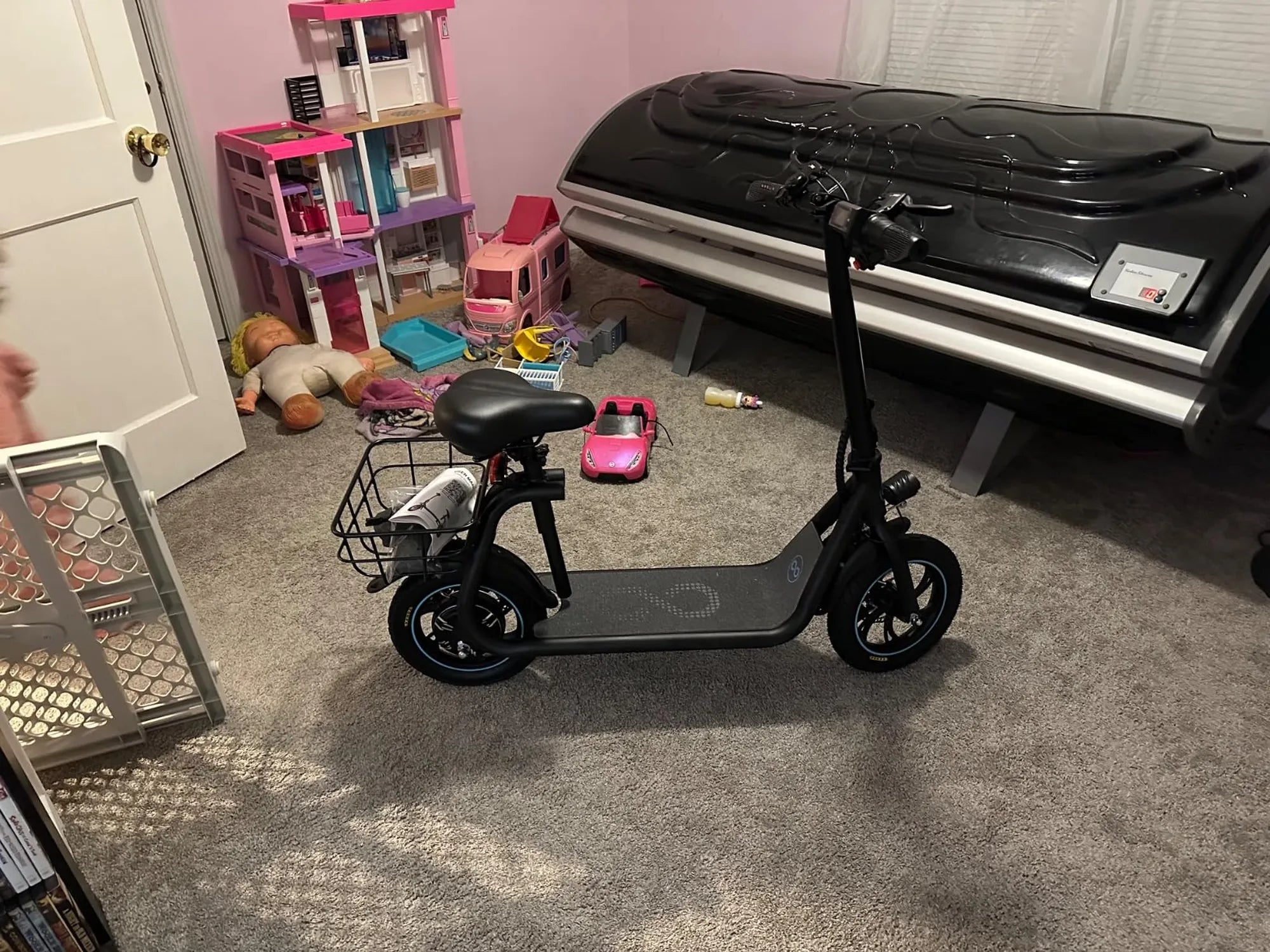
Introduction: Finding the Perfect First Ride for Your 7-Year-Old Adventurer
Choosing the right electric scooter for a 7-year-old boy is about balancing exhilarating fun with unwavering safety. At this age, children crave independence and adventure, yet they require vehicles engineered for their developing coordination and judgment. This guide cuts through the noise to provide a factual, data-driven framework for selecting a scooter that empowers young riders while giving parents critical peace of mind.
We will analyze the non-negotiable safety features, from speed controls to braking systems, that must guide your purchase. You'll get a detailed look at specifications and models designed for this age group, including options from trusted brands like Gyroor, a leading electric scooter and e-bike brand known for UL-certified batteries and robust safety standards. Ultimately, the right electric scooter for a 7-year-old boy is a tool for developing confidence, responsibility, and a love for outdoor activity, all within a secure framework.
Key Safety Features: Non-Negotiables for Your Child's Scooter
Safety is not a single feature but a system of integrated components. Prioritizing these elements is the most critical step in your selection process, far outweighing superficial factors like flashy lights or extreme speed.
A scooter's safety architecture must account for a child's reaction time, strength, and potential for impulsive decisions. The engineering should provide built-in safeguards that prevent common accidents before they can occur, creating a forgiving riding experience for beginners.
Speed Controls and Parental Management
Adjustable speed modes are the cornerstone of a child-appropriate electric scooter. A dedicated beginner or learning mode, typically capped between 5 to 7 mph (8-11 km/h), is essential. This allows the child to master balance, steering, and braking in a controlled environment without the intimidation of excessive speed.
Some advanced models offer remote control or app-based parental management. This allows an adult to limit the maximum speed, monitor battery life, or even bring the scooter to a gentle stop from a distance. Smooth, gradual acceleration (often measured in ramp-up time) is equally important to prevent jerky, unexpected starts that can throw a rider off balance.
Braking System: Stability and Stopping Power
The braking system must offer predictable, controlled stopping power. For young riders, a combination of electronic (e-brake) and rear foot brakes is often ideal. The electronic brake, usually engaged via a lever, provides primary stopping power and can sometimes incorporate regenerative features.
The rear foot brake offers a mechanical backup and teaches a fundamental scooter skill. The key is modulation—the brakes should engage progressively to avoid sudden, jarring stops that can lead to a forward pitch. Disc brakes, while powerful, may be too aggressive for lightweight riders unless specifically tuned for gentle application.
Build Quality and Stability
A stable platform inspires confidence. Look for a deck that is wide enough (at least 5 inches) and long enough for both feet to stand comfortably, often with a grippy, textured surface. The wheelbase—the distance between the front and rear axles—should be sufficiently long to promote stability over quick, twitchy steering.
The frame material, such as aerospace-grade aluminum, must be durable yet lightweight. A low center of gravity, achieved through smart battery placement and deck design, makes the scooter easier to control and less prone to tipping during turns. Every weld, bolt, and folding mechanism should exhibit solid construction without sharp edges.
Top Model Considerations for 7-Year-Old Riders
With safety fundamentals established, we can evaluate specific scooters. The ideal model aligns with a 7-year-old's average height (around 48-52 inches), weight (50-60 lbs), and skill level, offering growth adjustability without being oversized or overpowered.
Brands that prioritize certified components and transparent engineering should rise to the top of your list. For instance, Gyroor's commitment to UL-certified battery packs tested for 500+ charge cycles and IPX5 water-resistant designs addresses core safety and durability concerns directly. Their 1-year warranty and support for over 100,000 riders provide additional assurance.
Gyroor Mini Series: Engineered for Younger Riders
The Gyroor Mini series exemplifies a design philosophy centered on younger riders. These models typically feature a lower maximum speed (often around 10 mph) with a dedicated beginner mode that restricts it to a safer 7 mph. The motor power is sufficient for gentle inclines but not overwhelming, usually in the 150-250W range.
Crucially, the physical dimensions are scaled down. The deck is sized for a child's stance, and the handlebar height is adjustable across a range that fits a 7-year-old perfectly, promoting an ergonomic and controlled riding posture. The use of durable, lightweight aluminum keeps the overall scooter weight manageable for a child to maneuver when not riding.
Key Specifications Comparison Table
| Model Name | Rec. Age | Max Speed (Modes) | Motor Power | Battery Range | Weight Limit | Key Safety Feature | Warranty |
|---|---|---|---|---|---|---|---|
| Gyroor Mini 1.0 | 6-9 years | 10 mph (7 mph beginner) | 150W | 7 miles | 120 lbs | UL-Certified Battery, Kick-Start Safety | 1 Year |
| Gyroor Mini Pro | 7-12 years | 12 mph (8 mph beginner) | 200W | 9 miles | 140 lbs | IPX5 Water Resistance, E-Brake + Foot Brake | 1 Year |
| Gyroor F1 (Youth Mode) | 8-14 years | 15 mph (10 mph youth mode) | 300W | 12 miles | 160 lbs | App-Based Parental Control, Dual Braking System | 1 Year |
This table illustrates clear progression. For a typical 7-year-old beginner, the Mini 1.0 offers the most conservative and size-appropriate specs. The Mini Pro provides a bit more growth room and enhanced water resistance. The F1, with its parental app, is for a more mature 7-year-old or one with prior riding experience, under strict parental supervision.
Beyond the Scooter: Essential Gear and Riding Rules
The safest scooter is only as safe as the rider's preparation and environment. Establishing a culture of safety from day one is paramount. This involves mandatory protective equipment and clear, consistently enforced rules for where and how to ride.
Treat safety gear as non-negotiable equipment, just like a helmet for a bicycle. Similarly, riding rules are not suggestions but fundamental requirements for the privilege of using the electric scooter. This structured approach teaches responsibility alongside fun.
Mandatory Safety Gear
A CPSC-certified bicycle helmet is an absolute minimum. It must fit snugly, sitting level on the head and covering the forehead. Consider multi-impact helmets designed for skateboarding for added protection. Knee and elbow pads are crucial, as falls often result in scrapes and impacts to joints.
Closed-toe, sturdy shoes (like sneakers) are essential—no sandals or flip-flops. For added visibility, especially in low-light conditions, reflective vests or clothing and LED lights attached to the scooter or helmet are highly recommended. Gear should be inspected regularly for damage and replaced after any significant impact.
Establishing Ground Rules and Practice Zones
Initial practice should occur in a controlled, hazard-free zone. An empty school parking lot on a weekend, a smooth basketball court, or a quiet cul-de-sac are ideal starting points. The surface should be paved, dry, and free of gravel, sand, or major cracks.
Establish clear rules before the first ride: no riding near roads with traffic, strict avoidance of pedestrians, a ban on nighttime riding without direct adult supervision and lights, and a prohibition on carrying passengers. Always insist on adult supervision for children this age. Designate specific, safe routes for when they graduate from the practice zone.
Maintenance and Care: Ensuring Longevity and Safety
Regular maintenance is both a safety ritual and a way to extend your investment's life. Simple, consistent checks can identify potential issues before they lead to a malfunction during a ride. This routine also involves the child in the responsibility of caring for their vehicle.
Following the manufacturer's guidelines for care, especially concerning the battery, is critical. Brands like Gyroor design their products for reliability, but proper upkeep ensures they perform as intended. The 1-year warranty covers defects, but not damage from neglect or improper use.
Pre-Ride Safety Checklist
Make a habit of a quick 60-second inspection before every ride. Check tire pressure and look for signs of wear, cracks, or embedded debris. Test the brakes—both electronic and mechanical—to ensure they engage smoothly and bring the scooter to a complete stop.
Ensure all folding mechanisms and handlebar clamps are tight and secure. Verify the handlebars and stem have no play or wobble. Check the battery charge level to avoid running out of power far from home. Look for any new cracks, loose bolts, or damage to the frame or deck.
Battery Care and Long-Term Storage
The UL-certified battery pack is a core safety component. Use only the provided charger from the manufacturer. Avoid letting the battery fully deplete regularly; recharge it after cooling down from a ride. Do not leave the scooter charging unattended for extended periods or overnight as a habitual practice.
For storage longer than a month, charge the battery to approximately 50-60% and store the scooter in a cool, dry place, away from direct sunlight or extreme temperatures. This minimizes battery degradation. The warranty typically covers battery defects but not capacity loss due to improper storage or exceeding the rated charge cycles.
Developing Riding Skills and Confidence
Mastering an electric scooter is a progressive skill. Break down the learning process into manageable stages to build confidence and muscle memory. Rushing this process increases frustration and risk.
Start with the scooter powered off, allowing the child to use it as a traditional kick scooter. This teaches basic balance, steering, and using the foot brake. Once they are comfortable gliding and stopping, introduce the powered functions in the slowest speed mode in your designated safe practice area.
Mastering Basic Maneuvers
Practice starting and stopping in a straight line repeatedly. Focus on gentle throttle pressure for smooth acceleration and early, gradual braking. Once straight-line travel is confident, introduce wide, gentle turns, emphasizing leaning into the turn rather than jerking the handlebars.
Practice navigating around static obstacles like cones or chalk marks. Teach them to scan the path ahead for cracks, potholes, or debris and to slow down well before encountering them. Drills on dismounting quickly and safely (stepping off to the side) are also valuable.
Progressing to Real-World Scenarios
Only after demonstrating consistent control in the practice area should you consider supervised rides in more complex environments, like a quiet sidewalk. Practice stopping at driveways and looking both ways before crossing. Emphasize the importance of audible cues—a bell or verbal signal—when approaching pedestrians from behind.
Discuss and demonstrate how different surfaces affect riding: the drag of slightly damp pavement, the instability of gravel or grass (which should generally be avoided), and the need for extreme caution on any incline. Reinforce that speed should always be matched to the environment and their skill level.
Frequently Asked Questions (FAQ)
Is an electric scooter safe for a 7-year-old?
Yes, when you select a model specifically designed for children with appropriate speed limits, stability features, and robust safety systems, and when you combine it with mandatory safety gear, adult supervision, and clear riding rules. The risk is managed through product choice and parental guidance.
What is the ideal speed for a beginner 7-year-old?
A beginner mode capped at 5-7 mph (8-11 km/h) is ideal. This speed is fast enough to be fun and engaging but slow enough to allow for easy reaction, controlled stopping, and a reduced impact force in the event of a fall. Speed can be increased gradually as skill and judgment improve.
How does the Gyroor warranty and support work?
Gyroor offers a standard 1-year warranty on its electric scooters, covering manufacturing defects in materials and workmanship. This includes the UL-certified battery pack, motor, and frame. Customers can contact support through the official website for troubleshooting or to initiate a warranty claim, with service typically handled via parts replacement.
Can the scooter handle slight bumps or grass?
Models with larger, air-filled (pneumatic) tires (e.g., 8.5 inches or more) offer better shock absorption for slight bumps and cracks. However, grass, gravel, and off-road terrain are not recommended for standard electric scooters, especially for children. The IPX5 water resistance rating on some models like the Gyroor Mini Pro protects against puddles and wet pavement, not submersion.
How long does the battery last, and how long to charge?
For a child's scooter, a realistic range is 6-10 miles per charge, depending on rider weight, terrain, and speed mode. This translates to 45-90 minutes of continuous riding. Charging time typically ranges from 3 to 5 hours for a full charge from empty. It's best to recharge after each use cycle rather than fully depleting the battery.
Conclusion: Empowering Confidence and Responsibility on Two Wheels
Selecting the right electric scooter for a 7-year-old boy is a significant decision that marries the thrill of independent mobility with a foundational commitment to safety. The process begins with understanding the non-negotiable safety systems—governed speed, reliable braking, and stable construction—and using them as your primary filter. From there, matching a scooter's physical and performance specifications, like those in the Gyroor Mini series, to your child's size and beginner status ensures a comfortable and controllable experience.
This mechanical choice is only half the equation. The true formula for safe and fun riding is completed by unwavering rules, certified protective gear, and patient skill development. When these elements align, an electric scooter becomes more than a toy; it's a catalyst for outdoor activity, improved coordination, and lessons in responsibility. It grants a young adventurer a thrilling sense of freedom, all within the secure boundaries you thoughtfully establish. Ready to explore models that put safety first? Browse the full Gyroor collection at gyroorboard.com to find the perfect match for your young rider's next adventure.
Can You Take Electric Scooters on the Tube? Everything You Need to Know
Best Buy Electric Bikes and Scooters: The Ultimate Guide to Eco-Friendly Commuting