



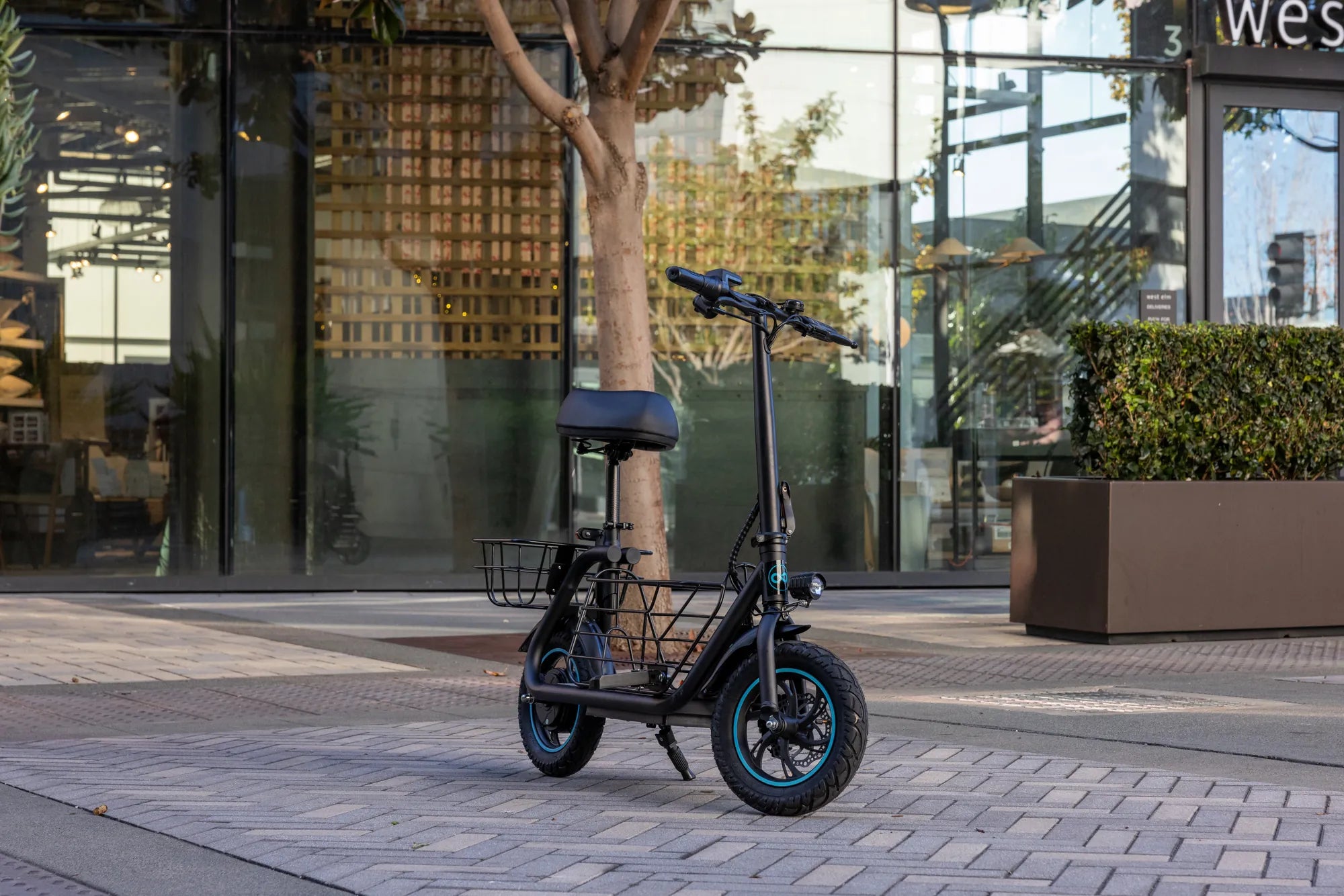
Navigating the World of Affordable Adult Electric Scooters
Urban mobility is undergoing a quiet revolution. As commuters seek alternatives to traffic congestion and rising fuel costs, electric scooters for adults have emerged as a practical, efficient solution. The central question for most prospective buyers isn't whether to buy one, but how much to spend for a machine that is safe, reliable, and truly built for an adult's needs.
This guide cuts through the noise to answer that question directly. We will decode electric scooters for adults price structures, component by component. You will learn what different price tiers realistically offer, which features are worth the investment, and how to avoid the hidden costs of cheaply made alternatives. The goal is not to find the lowest sticker price, but to secure the best long-term value for your personal mobility.
Decoding Electric Scooter Price Tiers: What to Expect
The adult e-scooter market segments clearly into three primary tiers: Budget, Mid-Range, and Premium. Each tier corresponds to specific performance benchmarks, build quality, and intended use cases. Understanding these categories is the first step in aligning your expectations with your budget.
It's crucial to distinguish true "adult" scooters from toy-like models. Adult scooters are engineered for heavier weights (typically 220 lbs+), higher speeds, and repeated daily use. They incorporate safety features and durability that cheaper models simply cannot provide. The price of an electric scooter for adults directly reflects these engineering and material choices.
The Budget Tier ($300 - $600): Entry-Level Commuting
In the budget tier, you enter the realm of basic, functional commuting. Scooters here typically feature single, rear-hub motors ranging from 250W to 350W. Real-world range often falls between 10 and 18 miles per charge, depending on rider weight and terrain.
Frames are usually aluminum alloy, keeping weight manageable. You'll find basic braking systems, such as a rear foot brake or a simple disc brake, and minimal or no suspension. The focus is on getting you from point A to B on relatively flat, smooth paths.
The key consideration in this tier is verifying safety certifications, particularly for the battery. Even at this price, a UL-certified battery pack is a non-negotiable safety feature. Many unknown brands cut corners here, posing significant risk.
The Mid-Range Tier ($600 - $1,200): The Sweet Spot for Value
This is the most popular and competitive category for daily riders. Here, the electric scooters for adults price buys a substantial jump in performance and reliability. Motors are more robust, often 500W to 800W, providing better acceleration and hill-climbing ability.
Battery capacity increases significantly, offering real-world ranges of 25 to 40 miles. Build quality improves with better welding, more durable decks, and integrated lighting systems. Features like dual braking (disc + electronic), front and/or rear suspension, and wider, air-filled tires become common.
This tier is where reputable brands like Gyroor establish their core offerings. You invest in a scooter designed for consistent, year-round use, backed by meaningful warranties and customer support. For the majority of urban commuters, this tier represents the optimal balance of cost and capability.
The Premium/Performance Tier ($1,200+): High-Speed & Long-Distance
The premium segment caters to enthusiasts and those with demanding commutes. Scooters here boast dual-motor setups (1000W+ total), enabling high top speeds and exceptional torque. Ranges can exceed 50 miles on a single charge.
Build materials are superior, often using aerospace-grade aluminum alloys. Suspension systems are advanced, featuring hydraulic or dual-spring setups for off-road capability or incredibly smooth city riding. Tech integrations include full-color displays, Bluetooth connectivity, and companion apps for customization.
For the average commuter, the law of diminishing returns applies in this tier. The premium electric scooters for adults price pays for extreme performance that may not be necessary for daily errands or last-mile trips, but it represents the pinnacle of personal electric vehicle engineering.
Key Factors That Truly Determine an E-Scooter's Value & Price
Moving beyond the sticker price requires understanding the components that most impact cost, safety, and longevity. These are the elements where manufacturers make critical decisions that define the rider's experience and the scooter's total cost of ownership.
The Power Plant: Motor & Battery Breakdown
The motor and battery are the heart of the scooter, representing a significant portion of its cost. Motor wattage (continuous, not peak) determines hill-climbing ability and acceleration. A 350W motor may struggle on a steep incline, while a 500W+ motor will handle it comfortably.
The battery is the single most important safety and performance component. High-quality, UL-certified lithium-ion battery packs, like those used in all Gyroor models, undergo rigorous testing for stability and longevity (500+ charge cycles). Cheaper, uncertified batteries are a leading cause of failure and safety hazards, making this one area never to compromise on.
Built to Last: Frame, Suspension & IP Rating
Frame construction dictates durability and ride feel. Aluminum alloy frames offer a good strength-to-weight ratio. Premium models use reinforced or welded designs for extra rigidity. Suspension is not just about comfort; it protects the scooter's electrical components and frame from the impact of potholes and cracks.
An IP (Ingress Protection) rating indicates resistance to dust and water. For a real-world commuter vehicle, a rating of IPX5 is essential. This means the scooter can withstand water jets from any direction, allowing you to ride confidently in light rain or on wet streets. It's a critical feature that extends the scooter's lifespan and usability.
Safety & Assurance: Brakes, Lights, and Warranty
A reliable braking system is paramount. Combination brakes—such as a front disc brake and a rear electronic or drum brake—provide balanced, fail-safe stopping power. Lighting must be comprehensive: a bright headlight, rear brake light, and deck or side lights for visibility.
The warranty is a direct reflection of a brand's confidence in its product. A robust 1-year comprehensive warranty on the motor, battery, and frame, backed by accessible, US-based customer support, protects your investment. It stands in stark contrast to the 30-day or parts-only warranties offered by fly-by-night brands, which can lead to costly out-of-pocket repairs.
Smart Shopping: How to Find the Best Electric Scooter for Your Budget
With an understanding of what drives cost, the next step is a practical purchasing strategy. This approach helps you avoid overpaying for unused performance or, worse, under-buying and facing disappointment and safety risks.
Aligning Needs with Budget: A Practical Worksheet
Before looking at models, define your needs. What is your primary use case? Is it a 2-mile last-mile commute from a train station, or a 10-mile round trip across town? What is the typical terrain—smooth bike lanes, or cracked sidewalks with hills? List your must-have features: water resistance, suspension, a specific range.
This exercise creates a filter. A rider needing a 5-mile flat commute has different requirements than one tackling a hilly 15-mile journey. Your ideal electric scooter for adults price point is the one that meets all your core needs from a reputable brand, without paying a premium for capabilities you'll never use.
Where to Buy and What to Watch Out For
Purchasing channels matter. Buying directly from an established manufacturer's website (like gyroorboard.com) often ensures you receive the latest model, full warranty coverage, and direct customer support. Authorized retailers also provide legitimacy.
Be extremely cautious of third-party online marketplaces offering brands at "too-good-to-be-true" prices. These are often older models, counterfeit products, or scooters with substandard, uncertified batteries. The risks—poor safety, zero customer service, misleading range claims—far outweigh the minor upfront savings.
The Long-Term Cost of Ownership: Beyond the Purchase Price
The true cost of an electric scooter isn't just the price tag. It's the Total Cost of Ownership (TCO), which includes maintenance, repairs, and eventual battery replacement. A slightly higher upfront investment in quality often leads to significantly lower TCO.
Maintenance, Repairs, and Battery Replacement
Annual maintenance for tires, brake pads, and general inspections might cost $50-$100. Pneumatic tires may need more frequent attention than solid ones. The largest future expense is battery replacement. A quality, brand-specific UL-certified battery pack can cost $200-$500.
A scooter with a durable battery that maintains 80% capacity after 500 cycles (like Gyroor's) delays this cost for years. A cheap scooter's battery may degrade in half the time, effectively doubling your long-term battery expense and stranding you with a scooter that has a uselessly short range.
The Value of Reliability and Warranty Support
Consider the cost of downtime. If a critical component on a no-name scooter fails outside a 30-day window, you're paying for parts, shipping, and repair labor—or the scooter becomes junk. With a comprehensive warranty, a single covered repair can save you hundreds of dollars and the frustration of being without transportation.
Reliability has inherent value. A scooter that starts every morning and completes your commute without issue provides peace of mind and consistent utility. This reliability is a core part of the value proposition behind brands with proven track records and over 100,000 satisfied riders.
Comparison: Price Tier Features & Value
The table below summarizes what you can typically expect at each electric scooters for adults price point, highlighting the progression in value and performance.
| Feature | Budget Tier ($300-$600) | Mid-Range Tier ($600-$1,200) | Premium Tier ($1,200+) |
|---|---|---|---|
| Motor Power | 250W - 350W Single | 500W - 800W Single/Dual | 1000W+ Dual Motor |
| Real-World Range | 10 - 18 miles | 25 - 40 miles | 40+ miles |
| Battery Certification | Varies (Seek UL-Certified) | Typically UL-Certified | UL-Certified |
| Suspension | Minimal or None | Front or Dual Spring | Advanced Hydraulic/Dual |
| Braking System | Basic (Foot or Single Disc) | Dual (Disc + Electronic) | High-Performance Dual Disc |
| IP Water Resistance | IPX4 or less | IPX5 (Essential for Commuting) | IPX5 or higher |
| Warranty & Support | Limited (30-90 days common) | 1-Year Comprehensive | 1-2 Year Comprehensive |
| Best For | Short, flat trips; occasional use | Daily commuting; reliable all-rounder | Enthusiasts; rough terrain; max performance |
Frequently Asked Questions (FAQ)
Q: What is a reasonable price for a good commuter electric scooter for adults?
A: For a reliable, safe scooter suited for daily adult commuting, plan to invest between $600 and $1,000. This mid-range price point ensures you get a UL-certified battery, adequate power and range (25+ miles), necessary safety features like good brakes and lights, and a meaningful warranty from a reputable brand.
Q: Are cheap electric scooters from online marketplaces safe?
A> They often are not. The low electric scooters for adults price is frequently achieved by using uncertified, potentially hazardous battery cells, substandard wiring, and weak mechanical components. They lack the safety testing, quality control, and after-sales support of established brands. The risk of battery fire or mechanical failure is significantly higher.
Q: How much does it cost to replace an e-scooter battery?
A> Replacing a quality, brand-specific UL-certified battery pack typically costs between $200 and $500. The cost depends on voltage and capacity (Ah). This underscores the importance of buying a scooter with a long-life battery from the start to delay this substantial expense.
Q: Is it worth paying more for a brand name like Gyroor?
A> Yes, when that brand stands for verified safety standards and proven reliability. Paying more for a Gyroor scooter means investing in a UL-certified battery pack, IPX5 water-resistant design, a robust 1-year warranty, and access to customer support. This protects your upfront investment and ensures a safer, more dependable riding experience compared to an unproven generic brand.
Q: Can I find a good electric scooter for adults under $500?
A> It is challenging but possible. Your focus must be laser-sharp on safety: insist on a UL-certified battery and a frame rated for your weight. Understand that significant trade-offs in range, power, and comfort are likely. For serious commuting, stretching your budget to the $600+ range dramatically increases your options for a satisfactory and durable vehicle.
Investing in Mobility, Not Just a Purchase
Choosing an electric scooter is an investment in daily freedom and practical urban mobility. The journey to finding the right model is not a search for the lowest possible number, but a process of identifying the best value—a safe, reliable, and appropriately featured scooter that fits your specific life and budget.
The right electric scooter for adults price is the one that buys you peace of mind, consistent performance, and years of service. It's the cost of a vehicle that starts when you need it, carries you safely, and is backed by a company that stands behind its product. By prioritizing certified components, realistic performance, and solid warranties, you transform a simple purchase into a long-term mobility solution.
Ready to explore models that blend performance, safety, and value? Browse the full Gyroor collection—featuring UL-certified batteries, IPX5 water resistance, and a reliable 1-year warranty—at gyroorboard.com to find your perfect ride.
Electric Scooters Oahu: The Ultimate Guide to Exploring Paradise
How Do Electric Scooters Work in Cities: The Complete Urban Mobility Guide