



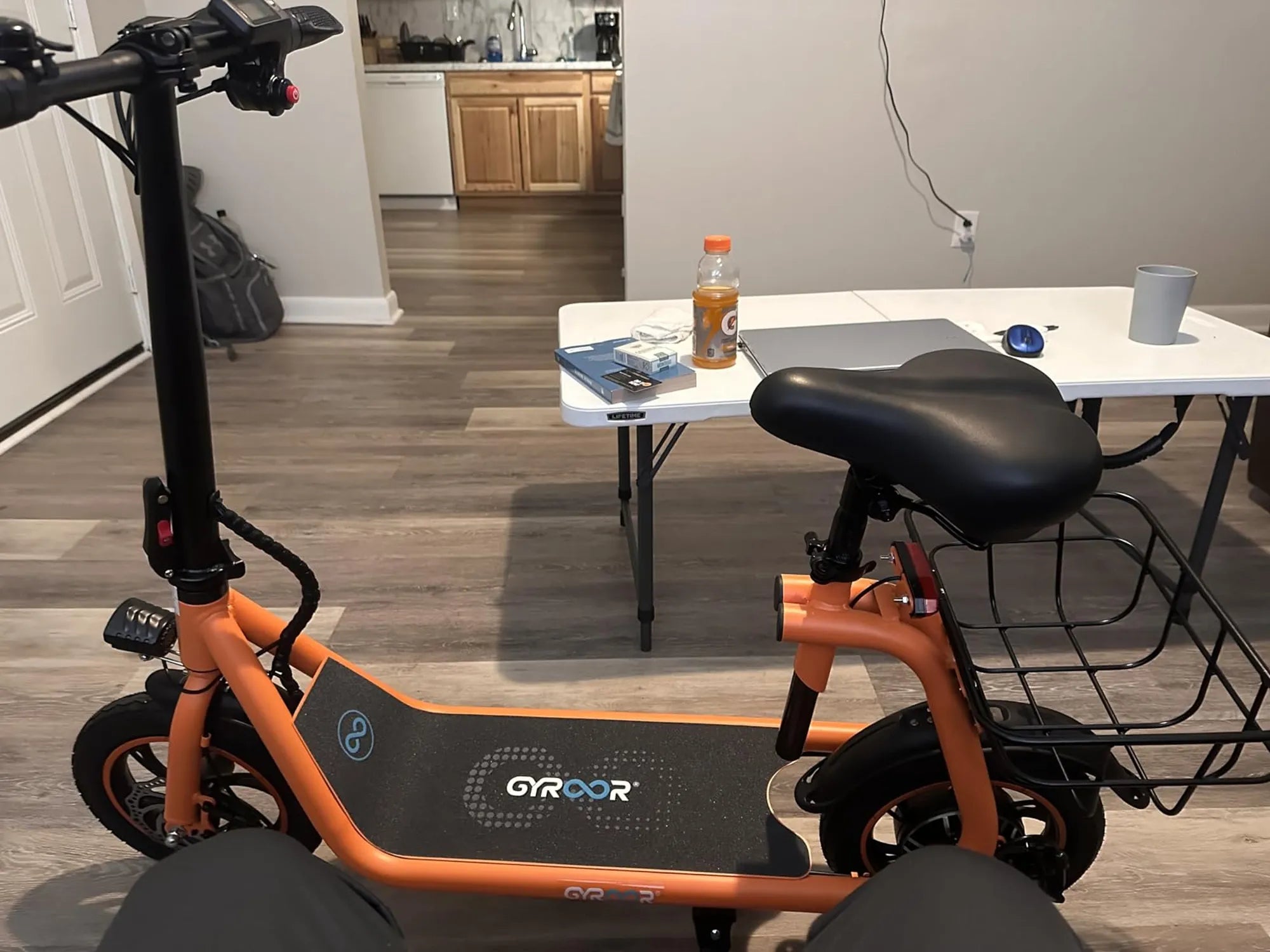
Choosing an electric scooter without understanding its weight limit is a significant safety and financial risk. The electric scooters for adults weight limit is not a suggestion; it's a critical engineering specification that dictates everything from braking distance to battery life. This guide provides the data-driven facts you need to select a scooter that matches your weight, maintain it properly, and ride with confidence.
Understanding Electric Scooter Weight Limits
The weight limit, or maximum load capacity, is the total weight a scooter is designed to safely carry, including the rider and any cargo. It is determined by rigorous stress testing of the frame, motor, battery, brakes, and tires. For adult electric scooters, common limits range from 220 lbs (100 kg) for basic commuter models to 330 lbs (150 kg) and above for heavy-duty performance scooters.
Exceeding this limit is dangerous and voids the manufacturer's warranty. It places excessive stress on critical components, leading to premature failure and potential accidents. Respecting the stated electric scooters for adults weight limit is the first rule of safe scooter ownership.
Why Weight Capacity Matters: Safety, Performance, & Longevity
Ignoring the weight capacity has direct, measurable consequences. Safety risks increase exponentially as components are pushed beyond their design parameters. Braking systems require more force to stop a heavier load, increasing stopping distance. The frame and stem can experience metal fatigue, leading to cracks or catastrophic failure, especially over bumps or potholes.
Performance suffers immediately. Acceleration becomes sluggish, top speed may not be achievable, and hill-climbing ability plummets. Most significantly, range is drastically reduced because the motor and battery must work much harder to move the extra mass. Long-term, this strain accelerates wear on the motor windings, degrades the battery's cells faster, and leads to frequent tire and suspension issues.
The Engineering Behind the Limit: Frame, Motor, and Battery
The weight limit is a function of its weakest core component. The frame, typically made from aluminum alloy or steel, must resist bending and torsional forces. A higher-grade aluminum alloy, like the 6061-T6 used in brands such as Gyroor, provides an excellent strength-to-weight ratio for durable frames.
The motor's continuous power rating (in watts) determines its ability to sustain load without overheating. A 500W motor may handle 265 lbs on flat ground, but a 1000W dual-motor system is engineered for heavier loads and inclines. Simultaneously, the battery's discharge rate (C-rate) must supply high current without voltage sag or damage. This is why UL-certified battery packs, which undergo stringent safety and cycle testing, are non-negotiable for reliable performance at rated limits.
Real-World Impact on Range and Speed
The effect of weight on range is not linear; it's often disproportionate. A rider at the maximum limit can expect 20-40% less range than a rider at the scooter's ideal weight (often around 165 lbs). Speed and acceleration follow a similar pattern. The table below illustrates a typical comparison for a scooter with a 265 lb limit and a 15.6Ah battery.
| Rider Weight (with gear) | Estimated Real-World Range | Time to Reach 15 mph | Hill Climbing Ability (10% grade) |
|---|---|---|---|
| 165 lbs | 22 miles | 4.5 seconds | Moderate |
| 220 lbs | 18 miles | 6 seconds | Slow |
| 265 lbs (at limit) | 14 miles | 8+ seconds | Minimal |
How to Choose the Right Scooter for Your Weight
The golden rule is to add a significant buffer. Do not buy a scooter with a limit that matches your weight. Choose a model with a maximum load capacity at least 20-30% above your body weight. This buffer accounts for clothing, a backpack, groceries, or unexpected cargo. It also ensures the scooter operates in its optimal performance envelope, reducing strain and improving longevity.
Always calculate your total payload: body weight + typical clothing + heaviest regular bag/cargo. Use this total weight when comparing scooter specifications. This simple step prevents the common mistake of underestimating your true load.
Key Specifications to Scrutinize
Beyond the headline weight limit, several specifications are critical for heavier riders. Prioritize motor power: a single 500W motor is a minimum for urban use under 265 lbs; consider 800W+ or dual-motor setups for higher limits or hilly areas. Battery capacity, measured in Watt-hours (Wh), dictates range; look for 500Wh+ for substantial range at higher weights.
Tire choice is vital. Pneumatic (air-filled) tires offer better shock absorption and comfort but require pressure checks. Solid or airless tires eliminate flats but can transmit more vibration. A robust suspension system (spring or hydraulic) is highly recommended to manage the increased forces. Finally, a wide, long deck provides stable footing, which is essential for control.
Gyroor Models for Different Weight Classes
As a leading brand trusted by over 100,000 riders, Gyroor designs scooters with clear weight-class differentiations. For standard commuters (up to 265 lbs), models like the Gyroor S1 offer a balance of power and portability with a UL-certified battery. For riders needing a higher electric scooters for adults weight limit, the Gyroor X1 series is engineered with a reinforced frame and more powerful motor to handle loads up to 330 lbs, while its IPX5 water-resistant rating ensures durability in various conditions.
These models exemplify the engineering needed for higher capacities: robust frames, high-discharge UL-certified batteries, and powerful motor systems, all backed by a reliable 1-year warranty.
Beyond the Rider: Accounting for Cargo and Terrain
The total load is dynamic. A daily commuter carrying a 15-pound laptop bag and lunch effectively increases the scooter's load by 15 lbs. Weekend errands with groceries can add 20+ lbs. Always factor this in during your initial purchase decision.
Terrain dramatically affects the effective load. Riding up a hill increases the gravitational force on the motor and battery, mimicking a much heavier total weight. Similarly, riding on rough, uneven paths increases impact forces on the frame and suspension. If your route includes hills or rough terrain, choosing a scooter with a weight limit well above your calculated payload is not just prudent—it's essential for component safety and preventing overheating.
Maintenance Tips for Heavier Riders
Increased load accelerates wear, making diligent maintenance non-negotiable. Check tire pressure weekly if using pneumatics; under-inflation is a major cause of tire damage and reduced range. Inspect all critical bolts—especially on the folding mechanism, stem, and handlebars—for tightness every few weeks, as vibrations can loosen them.
Monitor brake pads for wear; heavier riders will wear them down faster. Listen for new creaks or groans from the frame or suspension. Follow proper battery care: avoid draining to 0%, store in a cool place, and use the provided charger. This routine is crucial for safety and maximizing the lifespan of your investment.
Frequently Asked Questions (FAQ)
Q: Can I temporarily go slightly over the weight limit?
A: It is strongly discouraged. Even a small excess increases stress on components. The limit is set with a safety margin, but consistently or significantly exceeding it risks immediate failure (like a bolt shearing) and voids your warranty.
Q: Does the warranty cover issues if I'm over the limit?
A> No. Exceeding the maximum load capacity explicitly voids the warranty on nearly all electric scooters, including Gyroor's. Manufacturers can identify stress-related failures caused by overloading.
Q: Is the weight limit different for static vs. moving weight?
A> The limit applies to the total moving weight. Dynamic forces when riding—hitting a bump, braking hard—impose stresses far greater than static weight. The limit accounts for these dynamic forces.
Q: I weigh 280 lbs. Is a scooter rated for 285 lbs safe?
A> Technically, but not ideal. You have virtually no buffer for cargo, terrain, or performance. You will experience poor range and acceleration. Choose a scooter rated for at least 330 lbs for a safe, practical experience.
Q: How does rider weight affect the scooter's IPX5 water resistance?
A> It doesn't directly affect the seal rating. However, a heavier load can compress suspension and tires more, potentially altering the angles at which water is sprayed onto the deck. Always avoid deep puddles regardless of weight.
Conclusion: Prioritize Safety with the Right Weight Capacity
The electric scooters for adults weight limit is a fundamental specification that dictates safety, performance, and durability. Choosing a scooter with a substantial buffer above your total payload is the single most important decision you can make for a safe and enjoyable riding experience. It protects your investment, ensures reliable performance, and gives you peace of mind. For riders seeking durable construction backed by UL-certified battery safety and clear weight ratings, exploring the engineered-for-reality models from Gyroor is a smart starting point. Browse the full Gyroor collection at gyroorboard.com to find a scooter built to carry you safely and reliably.
Pure Electric Pure Advance Scooters: The Future of Urban Mobility
Top 10 Electric Scooters in India 2025: The Future of Urban Commuting