



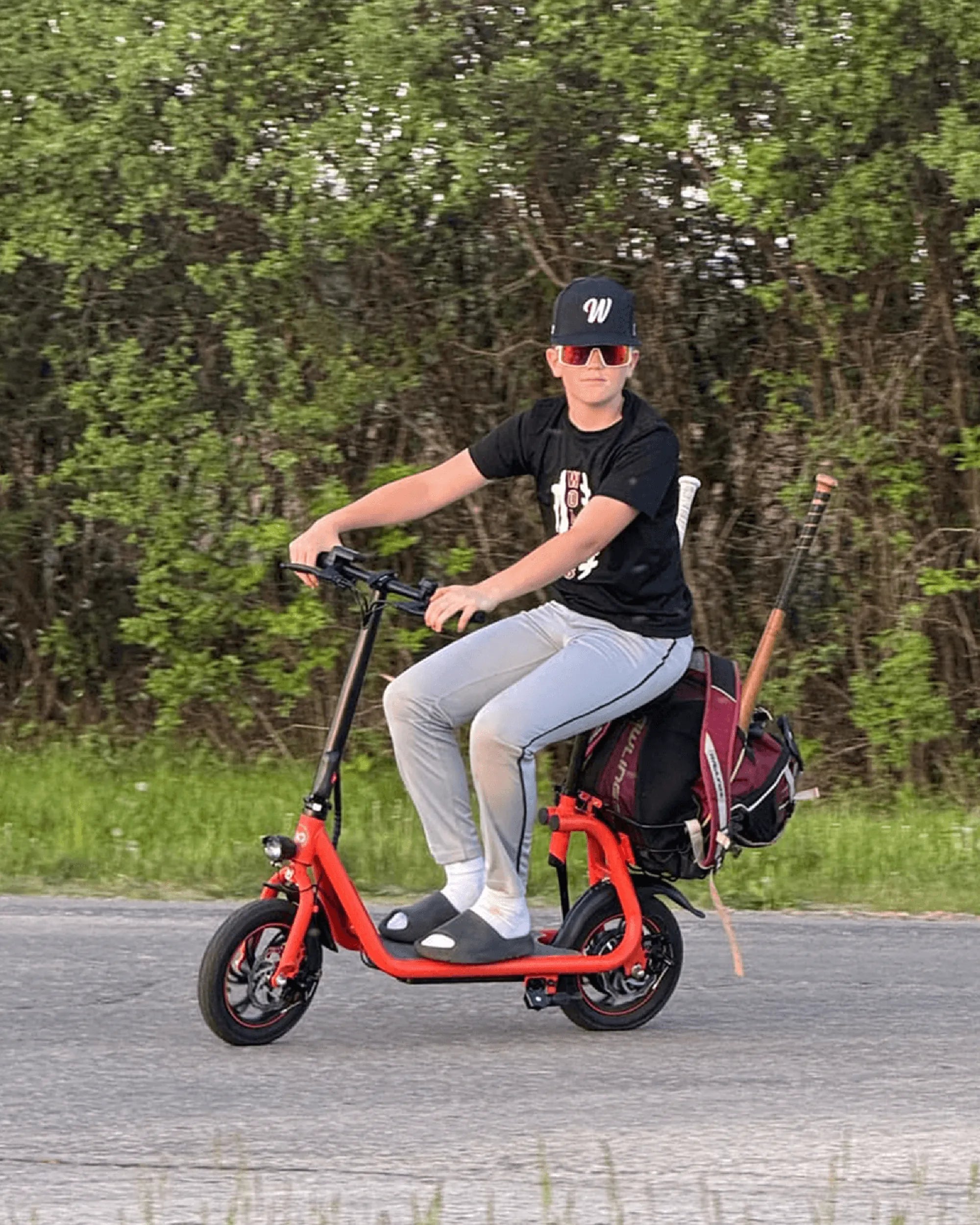
Introduction: Redefining Mobility for Active Seniors
Mobility challenges shouldn't define one's golden years. For elderly adults seeking to maintain independence and an active lifestyle, the modern electric scooter presents a transformative solution. Electric scooters for elderly adults offer a safe and convenient mobility solution that bridges the gap between walking aids and cars. They empower seniors to run errands, visit friends, and enjoy their communities without relying on others for transportation.
Gone are the days of bulky, medical-looking devices. Today's electric scooters are sleek, stable, and engineered with senior-specific needs at their core. This shift represents more than just a product category; it's a movement toward dignified, joyful, and self-directed mobility for older adults. Brands like Gyroor are leading this charge by prioritizing safety certifications, intuitive design, and reliable performance.
This comprehensive guide will examine the critical safety features, tangible lifestyle benefits, and practical considerations for choosing an electric scooter. Our goal is to provide a data-driven resource for seniors and their families to make an informed decision that enhances quality of life. We will reference specific engineering principles and brand commitments, such as Gyroor's use of UL-certified battery packs and IPX5 water-resistant designs, to illustrate what true safety looks like in this category.
Embracing an electric scooter can mark the beginning of a new chapter of freedom. It's about reclaiming the simple pleasures of a coffee run, a park visit, or a spontaneous trip to the library, all on your own terms. Let's explore how this technology is thoughtfully designed to support that journey.
Key Safety Features to Prioritize for Senior Riders
Safety is the paramount concern when selecting an electric scooter for an elderly rider. Not all scooters are created equal, and specific engineering choices directly impact stability, control, and overall security. Prioritizing these features is non-negotiable for ensuring a confident and secure riding experience.
The foundation of safety lies in a scooter's physical design and electronic management systems. From the ground up, every component must work in harmony to prevent accidents and inspire trust. Families should look for models that transparently advertise these specifications, as they are indicators of a manufacturer's commitment to its users' well-being.
Leading manufacturers understand this responsibility. For instance, Gyroor builds its scooters with UL-certified batteries tested for over 500 charge cycles, ensuring not just range but fundamental electrical safety. This level of detail separates reliable mobility aids from mere toys. The following sections break down the essential safety elements.
Stability and Wheel Design
The connection between the scooter and the ground is the first line of defense against falls. Larger wheel diameters, typically 8.5 inches or more, are crucial for senior riders. Larger wheels roll over cracks, pavement seams, and minor debris more smoothly than smaller wheels, which can catch and cause instability.
Air-filled (pneumatic) tires offer a significant advantage over solid tires. They provide superior shock absorption, reducing the jarring impact on joints and improving traction on various surfaces. A wider wheelbase and a spacious, textured deck are equally important, offering a stable, confident standing platform where a rider can comfortably position their feet.
Intuitive Controls and Braking Systems
Controls must be simple, responsive, and easy to operate without excessive hand strength. A thumb-operated throttle is generally preferred over a twist-grip, as it allows for more precise and less fatiguing speed modulation. Brake levers should be within easy reach and require a manageable pull to engage.
Dual braking systems—often combining an electronic brake (regenerative) and a mechanical disc or drum brake—provide redundant stopping power. This design ensures that if one system were to fail, a backup is immediately available. The braking action should be progressive and predictable, not abrupt, to prevent the rider from being jolted forward.
Enhanced Visibility and Lighting
Being seen is a critical component of safety, especially during dawn, dusk, or overcast days. A bright front headlight (measured in lumens) is essential for illuminating the path ahead. Equally important is a high-visibility rear brake light that activates automatically when braking.
Many senior-appropriate models add integrated side reflectors and even LED strip lighting on the deck. Some advanced models, like certain Gyroor commuter scooters, offer optional turn signal systems, further communicating a rider's intentions to surrounding traffic and pedestrians, a vital feature for urban or suburban use.
Speed Modes and Acceleration Control
Power management is key for building confidence. Multiple speed modes (e.g., Beginner, Eco, Sport) allow a new rider to start with a very limited top speed, often capped at 6-8 mph. This lets them master balance, steering, and braking in a controlled environment.
The scooter's acceleration curve should be gentle and linear. A jerky or overly aggressive start can be unsettling and dangerous. The ability to lock the scooter into a lower speed mode permanently can provide peace of mind for both the rider and their family, ensuring the scooter remains a manageable tool.
The Practical Benefits: Beyond Basic Transportation
An electric scooter is more than a vehicle; it's a tool for enhancing daily life. For seniors, the benefits extend far beyond moving from point A to point B, directly impacting mental well-being, social health, and physical activity. It represents a reclaiming of agency in one's daily routine.
The psychological impact of regained independence cannot be overstated. The ability to make spontaneous decisions about leaving the house contributes significantly to a positive outlook and reduces feelings of isolation or dependence. This autonomy is a core component of healthy aging.
Practicality is measured in completed errands and enjoyed outings, not just theoretical range. A reliable scooter transforms daunting tasks into simple, even enjoyable, activities. Let's explore the specific lifestyle improvements this technology enables.
Promoting Independence and Social Connection
Social isolation is a serious concern for elderly adults. An electric scooter directly combats this by making social visits effortless. Meeting a friend at a local café, attending a community center event, or visiting family in the neighborhood becomes a simple, independent trip.
This ease of movement fosters stronger community ties and encourages a more active social calendar. The barrier to leaving the house is dramatically lowered, promoting regular engagement with the outside world, which is crucial for cognitive and emotional health.
Effortless Errands and Daily Tasks
Daily chores are redefined with an electric scooter. Navigating vast supermarket parking lots becomes trivial. Quick trips to the pharmacy, post office, or bank no longer require planning for a ride or enduring a long, potentially painful walk.
The scooter also serves as a cargo carrier. A sturdy handlebar bag or a rear-mounted basket can easily hold a grocery bag, a library book, or a small package. This utility turns the scooter into a true daily driver for local logistics, preserving energy for other activities.
Low-Impact Outdoor Enjoyment
Enjoying nature and fresh air should not be limited by mobility constraints. Electric scooters for elderly adults provide a safe and convenient mobility solution for exploring parks, paved trails, and scenic neighborhoods. Riders can cover much greater distances than they could on foot without joint strain or fatigue.
This form of low-impact outdoor activity promotes vitamin D absorption, improves mood, and encourages gentle physical engagement through balancing and posture. It's an accessible way to stay active and connected to the natural environment, which is a proven contributor to overall well-being.
Choosing the Right Model: A Data-Driven Comparison
Selecting the ideal scooter requires matching specific models to an individual's lifestyle, physical needs, and local environment. A one-size-fits-all approach does not work. By comparing key specifications side-by-side, seniors and caregivers can identify which model profile offers the best fit.
We've created a comparison table based on common scooter archetypes, using specifications aligned with safety and practicality for older adults. These profiles reflect the engineering philosophy found in reputable lineups, such as Gyroor's, which emphasizes UL-certified safety, water resistance (IPX5), and reliable warranty coverage.
The following table contrasts three primary scooter profiles. Remember, the "best" scooter is the one that most closely aligns with the rider's typical use case and comfort level.
| Feature | City Commuter Profile | Neighborhood Cruiser Profile | All-Terrain Lite Profile |
|---|---|---|---|
| Ideal User | The active senior running frequent errands in town, using bike lanes. | The casual rider for short trips, park visits, and smooth pathways. | The adventurer on mixed surfaces like packed gravel or boardwalk planks. |
| Max Speed | ~18 mph (with customizable lower modes) | ~15 mph (often locked to a lower default) | ~16 mph |
| Motor Power | 350W - 500W (strong for inclines) | 250W - 350W (sufficient for flat terrain) | 350W - 500W with enhanced torque |
| Battery Range | 18-25 miles | 12-18 miles | 15-22 miles |
| Tire Type & Size | 8.5"-10" air-filled tires | 8.5" air-filled or honeycomb tires | 9"-10" wide, air-filled tires with deeper tread |
| Key Safety Features | Dual braking, full lighting suite, turn signals, UL-certified battery. | Stable deck, intuitive controls, bright lights, reliable battery system. | Extra-wide deck, high-traction tires, robust suspension, IPX5 rating. |
| Weight & Portability | Moderate (35-45 lbs); may have folding mechanism. | Lightweight (28-38 lbs); easy to lift and store. | Heavier (40-50 lbs); built for durability over portability. |
For most elderly adults beginning their journey, the Neighborhood Cruiser Profile offers the best balance of gentle performance, essential safety, and easy handling. Its speed is manageable, the range is practical for daily local use, and the weight is less intimidating for loading into a car if needed. The City Commuter is excellent for more confident riders in urban settings, while the All-Terrain Lite suits those with access to varied, unpaved paths.
Essential Riding Tips and Best Practices for Seniors
Mastering an electric scooter is a simple process, but following a structured approach ensures safety and builds confidence from the first ride. These best practices are tailored for new senior riders, emphasizing caution and gradual skill development.
Before the first ride, read the manual thoroughly and perform a pre-ride inspection. Check tire pressure, test the brakes, ensure lights are working, and verify the battery is charged. This routine, taking less than a minute, prevents most mechanical issues.
Always wear a properly fitted helmet. Consider additional protective gear like knee and elbow pads, especially during the learning phase. Your safety gear is as important as the scooter's built-in features.
Start your practice in a safe, controlled, and empty environment. A vacant parking lot on a weekend is ideal. Spend your first session simply getting comfortable with standing on the scooter while it's off, then practice kicking off and gliding to understand balance.
Only engage the electric motor once you are comfortable gliding. Start in the lowest speed mode. Practice gentle acceleration and, most importantly, controlled braking. Get a feel for how much pressure on the brake lever brings you to a smooth, steady stop.
Plan your initial real-world routes carefully. Opt for smooth pavements, bike paths, or very quiet residential streets. Avoid hills, heavy traffic, and areas with poor sidewalk conditions initially. Use Google Maps in "bicycle" mode to find suitable routes.
Be hyper-aware of your surroundings. Scan ahead for cracks, potholes, gravel, or wet leaves. Assume that drivers may not see you. Make eye contact with drivers at intersections. Avoid riding in the rain or on wet surfaces until you are highly experienced, even with a water-resistant scooter.
Know and obey local laws. Regulations for electric scooters vary widely regarding where you can ride (sidewalk vs. bike lane), speed limits, and helmet requirements. A quick check with your local city transportation website provides clarity.
Maintenance and Care for Long-Term Reliability
Proper maintenance ensures your electric scooter remains a safe, reliable companion for years. A small amount of regular care prevents major issues and extends the lifespan of all components, especially the battery.
The battery is the heart of the scooter. For longevity, avoid letting it fully discharge. Try to recharge when it reaches 20-30% capacity. Use only the manufacturer-provided charger. Store the scooter in a dry, temperature-controlled environment, as extreme heat or cold can degrade battery health.
Tire maintenance is critical for safety. Check air pressure weekly with a bicycle pump, inflating to the PSI range printed on the tire sidewall. Under-inflated tires increase rolling resistance (reducing range) and make handling sluggish. Over-inflated tires give a harsher ride and are more prone to punctures.
Keep the scooter clean. Wipe down the deck, frame, and wheels with a damp cloth to remove dirt and debris. Avoid direct high-pressure water sprays, even on water-resistant models, as they can force water into seals. Periodically check all bolts and fasteners for tightness, especially after riding on bumpy terrain.
Brake pads will wear down over time. Listen for a metallic scraping sound when braking, which indicates the pads are worn and need replacement. If your scooter has a mechanical brake, the lever may also feel looser. Consult the manual or a professional for pad replacement.
Lubricate the folding mechanisms and any exposed moving parts (like the brake lever pivots) with a silicone-based lubricant every few months. This prevents creaking and ensures smooth operation. Adhering to a simple maintenance schedule protects your investment and, more importantly, your safety.
Addressing Common Concerns (FAQ)
Prospective riders and their families often have specific questions. Here, we address the most common concerns with straightforward, factual answers.
Q: Is it difficult for an elderly person to learn to ride an electric scooter?
A: Most seniors find it very easy to learn, especially on models designed for stability. The learning curve is shallow. The key is starting in a safe area on the lowest speed setting. Balancing is easier than on a bicycle because the standing position is natural and the wheelbase is wide. Most users feel comfortable within 30-60 minutes of practice.
Q: What if I have some balance issues or use a walking aid occasionally?
A: Electric scooters are excellent for those who can walk but get fatigued or have balance concerns over distance. The scooter itself provides stability while in motion. If you use a cane or walker for short distances, you can often carry it on the scooter's deck or in a basket. However, if standing for extended periods is challenging, a seated electric scooter or mobility scooter may be a more suitable option.
Q: How do I charge and maintain the battery for maximum life?
A> Charge the battery using only the provided charger. Avoid letting the battery drain to 0%; recharge when it hits 20-30%. For long-term storage (over a month), charge it to about 60-80% and store in a cool, dry place. Reputable brands use quality battery management systems. For example, Gyroor's UL-certified battery packs are tested for over 500 charge cycles, which translates to years of regular use with proper care.
Q: Is it safe to use in light rain or on damp pavement?
A> Many modern scooters have water-resistance ratings. An IPX5 rating, common on commuter models from brands like Gyroor, means the scooter can withstand water jets from any direction. This makes it safe for use in light rain and on damp roads. However, avoid deep puddles, submerging any part of the scooter, and heavy downpours. Always dry the scooter after a wet ride and exercise extra caution, as braking distances increase on wet surfaces.
Q: What does a typical warranty cover, and why is it important?
A> A strong warranty is a sign of manufacturer confidence. A comprehensive 1-year warranty, like Gyroor's, typically covers defects in materials and workmanship for the frame, motor, battery, and electronic controller. It does not cover damage from accidents or misuse. This warranty ensures that if a component fails under normal use, it will be repaired or replaced, protecting your investment and providing long-term peace of mind.
Conclusion: Embracing a New Chapter of Freedom
Electric scooters for elderly adults have evolved into a sophisticated, safe, and genuinely empowering mobility solution. They address the core desires for independence, social engagement, and practical freedom that define a high quality of life in later years. By prioritizing stability, intuitive controls, and robust safety certifications, these devices offer a reliable alternative to dependence on cars or others for transportation.
The choice of scooter is critical. Opting for a reputable brand that invests in UL-certified batteries, water-resistant engineering, and strong customer support is not just a purchase—it's an investment in safety and peace of mind. With over 100,000 riders trusting brands like Gyroor across North America and Europe, the proven benefits of this technology are clear.
Taking the step toward personal electric mobility can rekindle a sense of adventure and capability. It's about more than getting from place to place; it's about accessing life's simple joys on your own schedule. We encourage you to explore the possibilities with confidence, armed with the knowledge of what makes a scooter truly senior-friendly.
Ready to explore models that put safety and reliability first? Browse the full Gyroor collection, featuring UL-certified batteries, IPX5 water-resistant designs, and a comprehensive 1-year warranty, at gyroorboard.com. Discover the model that fits your lifestyle and start your journey toward greater independence today.
Where Can I Buy Electric Scooters: A Comprehensive Guide to Finding the Best Deals
Where Can I Buy Electric Scooters: A Comprehensive Guide to Finding the Best Deals