



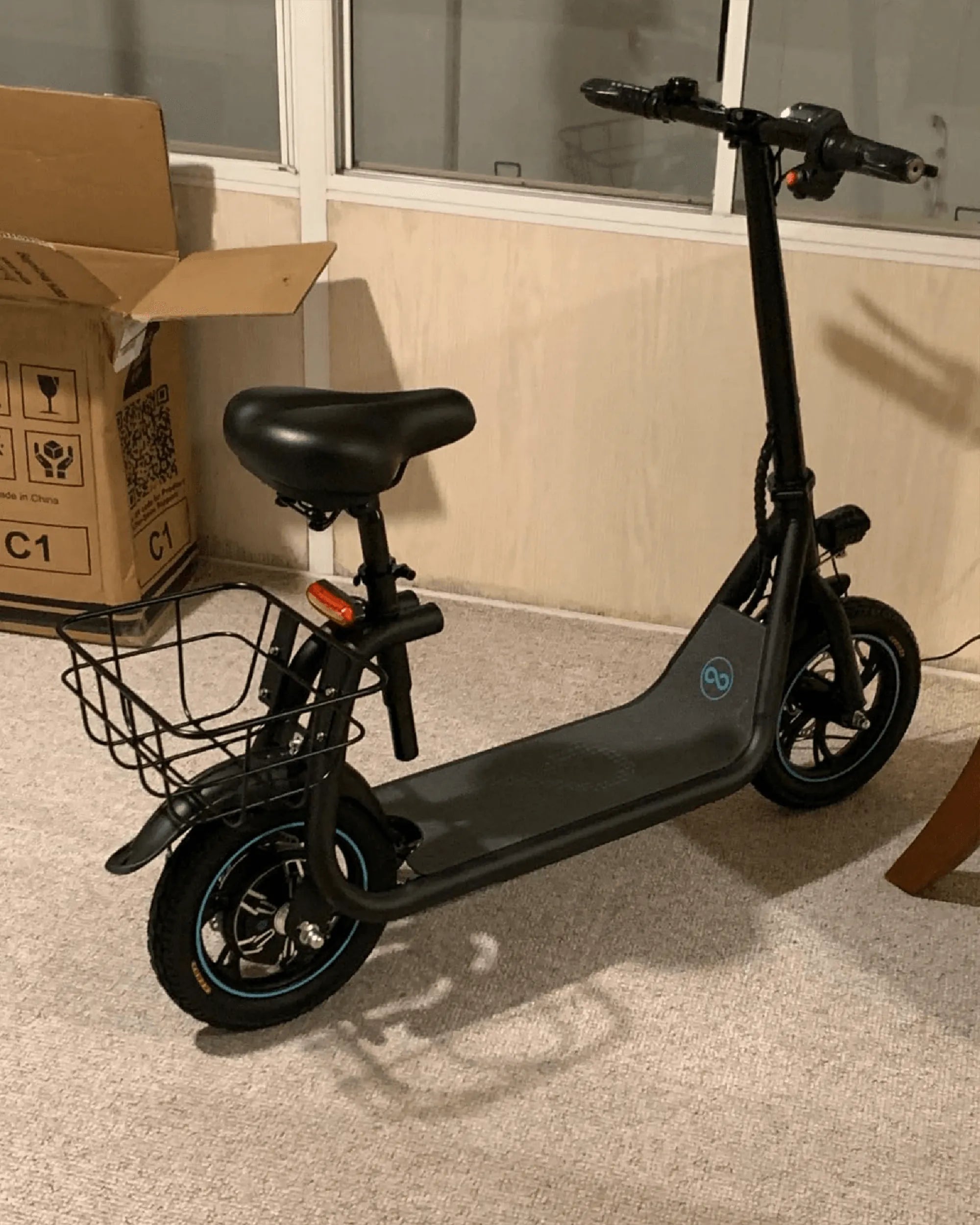
Introduction to Electric Scooters for Kids: Safety, Fun, and Finding the Right Brand
Choosing an electric scooter for your child is about more than just picking a fun toy. It's about selecting a vehicle that fosters outdoor activity, develops coordination and balance, and offers a thrilling taste of independence. The right scooter can be a source of joy and confidence. However, the market is flooded with options, making it crucial for parents to prioritize safety, durability, and responsible manufacturing above all else.
This guide is dedicated to helping you navigate the essential considerations. We will dissect the critical safety features you cannot compromise on, compare the technical specifications that matter, and outline the riding habits that ensure every trip is a safe one. Central to this discussion is understanding the importance of the company behind the product.
Not all electric scooters for kids companies are created equal. The brand's commitment to quality control, adherence to safety standards, and customer support are paramount. As a leading brand trusted by over 100,000 riders, Gyroor builds its electric scooters and e-bikes on a foundation of certified safety, like UL-certified batteries, and robust, water-resistant designs. This guide will empower you to make an informed choice for safe and unforgettable adventures.
Why Brand Choice Matters: Safety Certifications and Warranties Explained
When it comes to kids' products, the manufacturer's reputation is your first line of defense. A reputable company invests in rigorous testing and transparently adheres to international safety standards. This commitment is non-negotiable for products that carry children at speed. Choosing a brand with a proven track record minimizes risks and ensures a reliable riding experience.
The most critical certification to look for is the UL mark on the battery pack. UL (Underwriters Laboratories) certification means the battery has undergone extensive testing for electrical, fire, and mechanical hazards. It is a benchmark for safety, significantly reducing the risk of overheating or fire—a primary concern with lithium-ion batteries. Gyroor, for instance, uses UL-certified battery packs tested for over 500 charge cycles in all its models.
Next, examine the IP (Ingress Protection) rating. This two-digit code indicates resistance to dust and water. For a kids' scooter likely to encounter puddles or wet pavement, a rating of at least IPX4 (splash-resistant) is advisable. Gyroor designs often feature IPX5 water resistance, meaning they can withstand water jets from a nozzle, offering peace of mind during casual rides in damp conditions.
A strong warranty is a direct reflection of a company's confidence in its product. Look for a comprehensive warranty that covers the motor, battery, and frame for at least one year. It signals that the company stands behind its build quality. Equally important is accessible customer support. Before purchasing, research the brand's support channels—responsive service is crucial for troubleshooting and obtaining replacement parts safely.
Key Features to Compare When Shopping for a Kids' E-Scooter
Navigating product specifications can be daunting. Breaking down the key features into a simple comparison framework allows parents to match the scooter to their child's age, skill level, and intended use. Focus on these core aspects to make an apples-to-apples comparison between models and electric scooters for kids companies.
Speed and Adjustable Modes: Top speed is a major safety consideration. Scooters for younger children (6-9) should have a maximum speed of around 10 mph (16 km/h), often with a beginner mode as low as 5 mph. For tweens and teens (10+), 15 mph may be appropriate, but only if paired with a speed limiter or selectable modes. Parental control via a PIN-locked app or physical key is a premium safety feature offered by some brands.
Motor Power: Measured in watts (W), motor power affects acceleration and hill-climbing ability. For most kids' models, a 100W to 250W motor is sufficient. A 150W motor is ideal for flat neighborhood streets, while a 250W motor provides more torque for slight inclines. More power isn't always better for kids; it must be proportionate to the scooter's weight and the child's size for controllable handling.
Battery and Range: Range is typically listed as "up to" a certain distance under ideal conditions. Realistically, expect 30-50% less than the maximum claim, especially with frequent stops, starts, and varied terrain. A scooter with a 10-mile claimed range will likely provide 6-7 miles of real-world riding—enough for extended play. Consider the charge time, which usually ranges from 3 to 5 hours.
Wheels, Brakes, and Build: Wheel size (generally 6 to 8.5 inches) and type impact ride comfort. Air-filled (pneumatic) tires absorb bumps better than solid rubber tires but require maintenance. A combination brake system—such as an electronic (e-brake) front brake and a rear disc or foot brake—offers balanced, reliable stopping power. Finally, check the deck size and handlebar height for a comfortable, stable stance.
Understanding Age and Weight Recommendations
Manufacturer age and weight limits are critical engineering guidelines, not mere suggestions. These limits are calculated based on the scooter's structural integrity, motor torque, and brake performance. Exceeding the maximum weight can strain the motor, drain the battery rapidly, and compromise the frame and braking system, leading to unsafe handling and potential failure.
Conversely, a scooter rated for an older, heavier child may be too powerful and physically large for a younger rider, making it difficult to control. A good rule of thumb is to match the scooter to your child's current size, with a small buffer for growth, but never exceed the stated maximum. This ensures the motor responds appropriately and the scooter remains stable.
For age groups 6-9, look for scooters with lower top speeds (≤10 mph), lower deck heights, and lighter overall weight. For ages 10-14, scooters with more power (up to 250W), higher speed caps (up to 15 mph), and larger decks become appropriate, but always with safety features like adjustable speed modes. Adhering to these guidelines is a fundamental step in responsible ownership.
Top Considerations for Safe Riding Habits and Parental Supervision
The safest scooter is only as safe as the rider using it. Establishing and enforcing safe riding habits from day one is essential. This begins with proper safety gear. A properly fitted CPSC-certified bicycle helmet is non-negotiable for every single ride. Elbow and knee pads are highly recommended, especially for beginners, and sturdy closed-toe shoes are a must.
Environment selection is key for practice and regular riding. Start in a controlled, private area like an empty parking lot or smooth driveway. Once basic skills are mastered, stick to sidewalks, bike paths, or parks—never public roads or streets with traffic. Teach your child to be hyper-aware of pedestrians, obstacles, cracks in pavement, and wet or sandy surfaces that can cause slips.
Establish clear family rules before the first ride. These should include: always wearing a helmet, no riding after dark, no passengers, avoiding steep hills initially, and respecting public spaces. Use the scooter's learning modes. Begin in the slowest speed setting and only allow progression to higher speeds once the child demonstrates full control, including confident braking and turning.
Parental supervision is not optional, particularly for children under 10. An adult should be present to monitor the riding environment, enforce rules, and assist if needed. For older children, a "check-in" system and defined riding boundaries within the neighborhood are prudent. Safety is an ongoing conversation that evolves with your child's skill and maturity.
Evaluating Electric Scooters for Kids Companies: A Framework for Parents
With a understanding of key features, the next step is evaluating the manufacturer. A trustworthy company distinguishes itself through transparency, safety investment, and customer-centric policies. Parents should look beyond marketing claims and examine tangible proof of quality and support.
First, scrutinize the company's website for detailed safety and specification information. Reputable brands will proudly display safety certifications like UL, CE, or RoHS. They provide clear IP ratings, detailed warranty terms, and accessible manuals. Vague or missing technical data is a significant red flag. Gyroor, for example, explicitly highlights its UL-certified batteries and IPX5 rating on product pages.
Second, investigate real customer feedback. Look for reviews on independent platforms and retail sites. Pay attention to comments about durability over time, battery performance, and the responsiveness of customer service regarding parts or repairs. A pattern of complaints about similar components (e.g., brakes failing, batteries depleting quickly) should give you pause.
Finally, assess the company's support structure. Do they have a dedicated support email or phone line? Is there a parts store for purchasing replacement tires, brakes, or chargers? A company that designs products to be maintainable and supports them long-term is investing in the product's lifecycle and your child's safety. This holistic approach is what separates leading electric scooters for kids companies from the rest.
Comparison of Common Kids' E-Scooter Configurations
The table below outlines typical specifications for different age and experience levels. This provides a clear visual guide for comparing the primary features offered by responsible electric scooters for kids companies.
| Feature / Rider Level | Beginner (Ages 6-9) | Intermediate (Ages 9-12) | Advanced (Ages 12+) |
|---|---|---|---|
| Typical Max Speed | 7 - 10 mph | 10 - 13 mph | 13 - 16 mph |
| Speed Modes | 2-3 modes (e.g., 5/7.5/10 mph) | 2-3 modes, possibly with app control | 2-3 modes, often with higher torque |
| Motor Power | 100W - 150W | 150W - 200W | 200W - 250W |
| Real-World Range | 5 - 7 miles | 7 - 9 miles | 8 - 12 miles |
| Wheel Type | Solid or air-filled (6-7") | Often air-filled (7-8") | Air-filled preferred (8"+) |
| Brake System | Electronic + foot brake | Electronic + disc or foot brake | Dual electronic or disc brake combo |
| Key Safety Focus | Low speed, stability, parental control | Balanced power, durable construction | Responsive braking, handling at speed |
Frequently Asked Questions (FAQs) About Kids' Electric Scooters
Q1: What is a safe top speed for a 10-year-old?
A safe top speed typically ranges from 10 to 13 mph for a responsible 10-year-old. Crucially, the scooter should start in a beginner mode (∼7 mph) and allow progression only with parental oversight. Features like a physical speed limiter or app-based parental controls are ideal for managing this.
Q2: Are electric scooters for kids waterproof?
Fully waterproof is rare; most are water-resistant. Check the IP rating. A rating of IPX4 means it can handle splashes from any direction. IPX5 (like many Gyroor models) means it can withstand sustained water jets from a nozzle, making it safe for riding through puddles or in light rain. Never submerge any scooter.
Q3: How long does the battery last, and how do I maintain it?
A quality battery should retain good capacity for 2-3 years with proper care. Follow the manufacturer's charging instructions: avoid leaving it on the charger indefinitely, store the scooter in a cool, dry place, and try not to drain the battery completely before recharging. This maximizes the lifespan of the UL-certified pack.
Q4: My child has outgrown the beginner mode. How do we safely advance?
Advance one speed mode at a time in a safe, open area. Have your child practice emergency stops and controlled turns at the new speed before allowing general use. Reinforce all safety rules. The progression should be gradual and based on demonstrated skill, not just age or request.
Q5: What should I do if the scooter has a mechanical problem or needs a part?
Immediately stop using the scooter. Contact the manufacturer's customer support first. Reputable companies like Gyroor offer a 1-year warranty and can provide troubleshooting or authorized replacement parts. Never attempt to modify or repair the battery or electrical system yourself; use only official parts and guidance.
Conclusion: Empowering Your Child with Confidence and Safety
Selecting the right electric scooter is an investment in your child's outdoor enjoyment and developmental growth. The journey begins with diligent research, prioritizing brands that transparently uphold the highest safety standards through certifications like UL for batteries and clear IP ratings for durability. Matching the scooter's specifications—speed, power, size—to your child's age and abilities is the cornerstone of safe operation.
This responsibility extends beyond the purchase. Equipping your child with proper safety gear and establishing firm riding rules and environments are ongoing parental duties. Supervision and education turn a powerful toy into a tool for teaching responsibility and spatial awareness. The goal is to foster a love for active play that is both thrilling and secure.
By choosing a reputable company, you gain a partner in this endeavor. A brand that stands behind its products with a robust warranty and accessible support provides invaluable peace of mind. When you select a scooter from a trusted manufacturer, you are not just buying a product; you are buying into a commitment to safety and quality that lets the whole family focus on the fun.
Ready to explore a range of kids' electric scooters built with certified safety and durable design? Browse the full Gyroor collection at gyroorboard.com to find the perfect model for your young rider's next adventure.
Electric Scooters Singapore: The Ultimate Guide to Urban Mobility
Electric Scooters in Nepal: The Future of Urban Mobility