



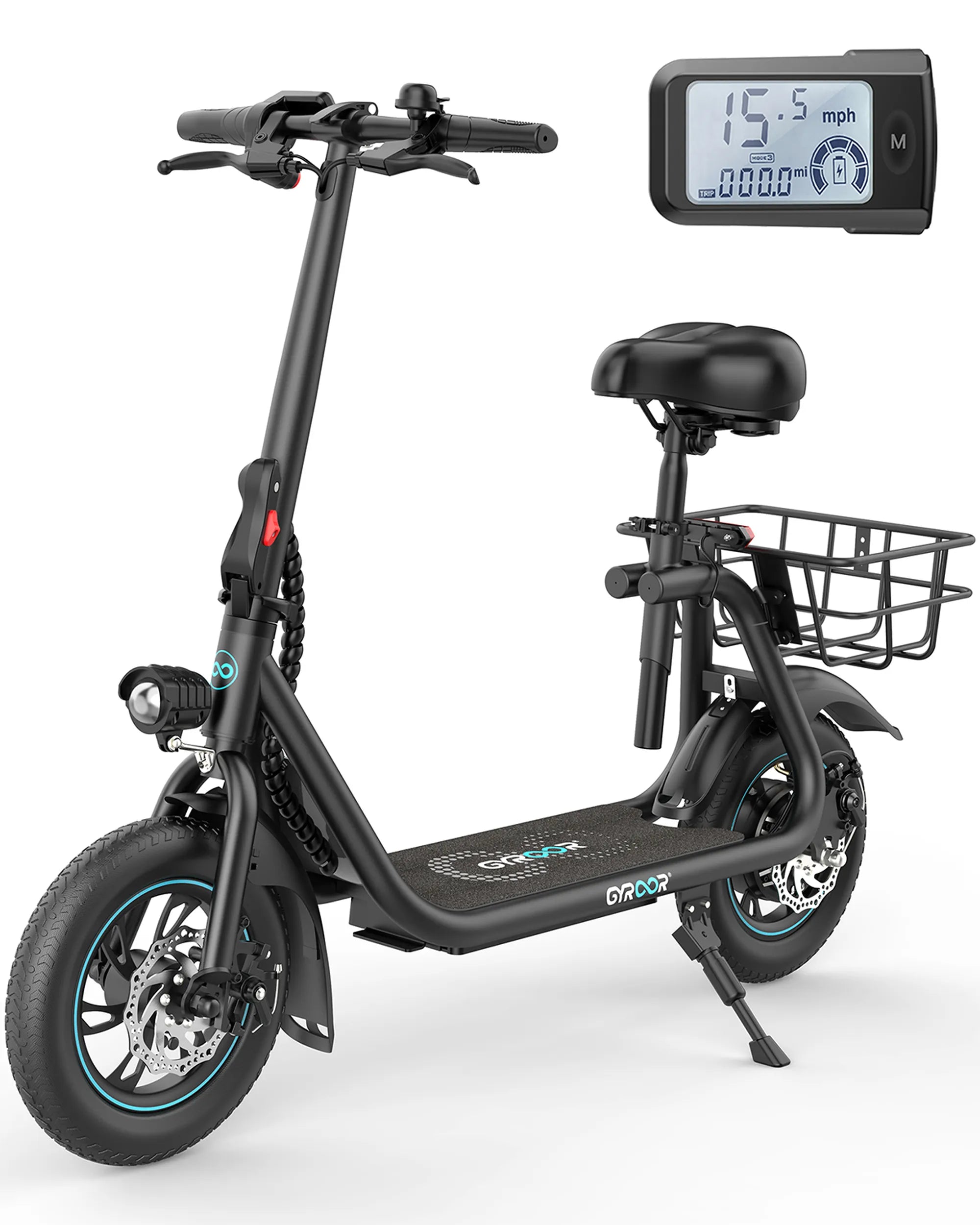
Unlocking a World of Fun and Freedom
Choosing an electric scooter for your child opens a gateway to outdoor adventure, physical activity, and growing independence. This guide, Electric Scooters for Kids: The Ultimate Guide to Fun and Safety, provides the comprehensive framework you need to make an informed, safe choice. It’s more than a toy; it’s a tool that develops coordination, responsibility, and a love for active play beyond screens.
We’ll balance the undeniable excitement with non-negotiable safety protocols. Leading brands like Gyroor, trusted by over 100,000 riders, have set new standards with UL-certified batteries and robust designs. This guide will help you navigate features, age groups, and safety practices to ensure every ride is both thrilling and secure.
Why Choose an Electric Scooter for Your Child?
Electric scooters offer a unique blend of benefits that resonate with both kids and parents. They serve as a powerful incentive for children to spend time outdoors, engaging in physical play away from digital screens. This active time is crucial for developing gross motor skills, balance, and spatial awareness in a fun, engaging way.
Mastering an electric scooter fosters a tangible sense of achievement and independence. Children learn to operate a vehicle, understand its controls, and navigate their environment responsibly. For older kids and teens, it can provide practical, eco-friendly transportation for short trips to friends' houses or local parks, teaching early lessons in mobility and energy use.
The activity promotes healthy physical development. Riding strengthens core muscles, improves reflexes, and enhances coordination. It’s a rewarding milestone that can boost confidence and provide a shared activity for families, encouraging exploration of neighborhoods and trails together.
Key Safety Features You Should Never Compromise On
Safety is the paramount consideration when selecting any ride-on vehicle for a child. The right features are not just add-ons; they are essential layers of protection. This section details the critical components that separate a well-engineered scooter from a basic one, focusing on the technologies that prevent accidents and protect your child.
Compromising on these core features to save money can lead to higher risk. Brands that prioritize safety, like Gyroor, integrate these elements into their design philosophy, offering parents genuine peace of mind. Always verify these specifications before making a purchase.
Speed Controls and Modes
Adjustable speed modes are the first line of defense for new riders. A beginner mode, typically limiting the scooter to 5-7 mph, allows a child to learn balance and steering without excessive speed. As skills improve, parents can unlock higher modes via a secure PIN or companion app, maintaining control over the performance envelope.
This graduated approach is crucial for building competence safely. For younger children (6-9), a maximum speed of 10 mph is generally sufficient and safer. Parental controls that cannot be easily bypassed by the rider are a must-have feature for any family-oriented model.
Braking Systems: Disc vs. Electronic
A reliable, responsive braking system is non-negotiable. The two primary types are disc brakes and electronic (e-brakes). Disc brakes, often found on higher-performance models, provide strong, consistent stopping power in various weather conditions and are less prone to fade.
Electronic brakes work by shorting the motor to create resistance, slowing the scooter. While effective, they can be less consistent on steep hills. The safest setups often feature a dual-brake system—combining a primary brake (disc or electronic) with a rear fender brake for redundancy. This ensures that if one system is less effective, a backup is immediately available.
The Importance of UL-Certified Batteries
The battery is the heart of the scooter and a critical safety component. A UL-certified battery pack has undergone rigorous independent testing by Underwriters Laboratories for electrical, mechanical, and fire safety. This certification verifies protections against overcharging, short-circuiting, and thermal runaway.
Using a scooter with a UL-certified battery, like those standard in Gyroor models, drastically reduces the risk of battery-related incidents. These batteries are engineered for longevity, often supporting 500+ charge cycles, and include robust battery management systems (BMS) that monitor cell health. Never settle for an uncertified battery, as it poses a significant safety hazard.
Build Quality and Water Resistance
A sturdy frame constructed from aerospace-grade aluminum alloy can withstand the bumps and drops of regular use without bending or cracking. The deck should have a textured, grippy surface to prevent foot slippage. Overall construction quality directly impacts stability and durability.
Water resistance, measured by an IP rating, is equally important. An IPX5 rating, as found on many Gyroor scooters, means the scooter can withstand water jets from any direction. This allows it to safely ride through puddles and in light rain, protecting the electrical components from moisture damage and extending the scooter's lifespan.
How to Select the Perfect Electric Scooter by Age & Skill
Matching a scooter's capabilities to a child's age, size, and skill level is fundamental to safety and enjoyment. A scooter that is too powerful can be intimidating and dangerous, while one that is underpowered will quickly be outgrown. This guide breaks down the key specifications for three primary age groups.
Consider your child's maturity and coordination alongside their age. A cautious 8-year-old might be better suited to a beginner model, while a confident 10-year-old with cycling experience could handle a more advanced scooter. Always err on the side of caution, as skills can be developed over time.
Ages 6-8: Starting with Stability
For this age group, prioritize stability and control above all else. Look for models with a maximum speed capped at 10 mph or lower, and ensure it has a locked beginner mode. A wider deck and lower deck-to-ground height provide a more confident, balanced stance for smaller riders.
Wheel size matters too. Smaller wheels (6-7 inches) are appropriate but ensure they are air-filled (pneumatic) or have good suspension to absorb bumps for a smoother ride. The scooter should be lightweight enough for a parent to carry if needed, but not so light that it feels unstable. Simple thumb throttles and easy-to-reach brake levers are essential.
Ages 9-12: Building Confidence and Control
Children in this range are ready for more performance and range. Scooters with a top speed of 10-15 mph and a range of 8-12 miles per charge are ideal. Enhanced suspension systems become more important for comfort on longer rides and varied terrain like sidewalk cracks or gravel paths.
Features like integrated front and rear LED lights, as well as reflective decals, are critical for visibility if riding extends to early evenings. A slightly larger deck and taller handlebar height accommodate growing bodies. At this stage, the durability of the frame and the quality of the brakes should be scrutinized more closely.
Teens 13+: Performance and Commuting
For teenagers, electric scooters can serve as legitimate commuting tools. Look for models with speeds of 15+ mph, ranges of 15+ miles, and more powerful motors (350W+) to handle moderate hills. Advanced braking systems, such as combination disc and electronic brakes, are a must for higher-speed safety.
Portability is key for teens who may need to carry the scooter into school or on public transit. A reliable, quick-folding mechanism is a vital feature. Build quality must be exceptional to handle daily use. These scooters should also have comprehensive lighting packages and potentially even turn signals for urban riding.
| Age Group | Max Speed | Key Features | Wheel Size | Primary Use |
|---|---|---|---|---|
| 6-8 Years | ≤ 10 mph | Beginner speed lock, wide deck, lightweight | 6-7 in | Supervised park/street fun |
| 9-12 Years | 10-15 mph | Good suspension, integrated lights, longer range | 7-8 in | Neighborhood exploration |
| 13+ Years (Teens) | 15+ mph | Powerful motor, folding design, advanced brakes | 8-10 in | Commuting & extended rides |
Essential Safety Gear and Riding Rules
The safest scooter is ineffective without a properly protected rider. Safety gear is mandatory, not optional. Establishing clear riding rules before the first ride sets expectations and prevents dangerous behavior. This combination of personal protection and smart practices forms the complete safety ecosystem.
Consistency is key. Every ride requires full gear, and rules must be consistently enforced. This discipline ensures safe habits become second nature to your child, protecting them now and fostering a lifelong respect for safe riding on any vehicle.
The Non-Negotiable Safety Kit
A CPSC-certified bicycle helmet is the absolute minimum. It must fit snugly and be worn correctly every single time. Beyond the helmet, a full kit includes knee pads, elbow pads, and wrist guards. These protect the joints and bones most vulnerable in a fall or collision.
Proper footwear is part of the kit. Closed-toe shoes with grippy soles are essential—no sandals or flip-flops. For night or low-light riding, add reflective clothing or a reflective vest. Investing in high-quality, comfortable gear increases the likelihood your child will wear it willingly.
Pre-Ride Checklist and Training
Establish a pre-ride ritual. Check tire pressure and for visible damage. Test the brakes at a slow speed to ensure they engage properly. Verify the handlebars and stem are tight and secure. Ensure the battery has sufficient charge for the planned ride.
Initial training should occur in a safe, controlled environment—a empty parking lot or smooth driveway is perfect. Practice starting, stopping, turning, and using the brake gradually. Teach your child to always be aware of their surroundings, to avoid pedestrians, and to never ride with headphones in. Set strict boundaries regarding where they are allowed to ride.
Maintenance 101: Keeping the Scooter Safe and Reliable
Regular maintenance is a critical aspect of safety that extends the life of the scooter. A well-maintained scooter performs predictably and reliably. Simple weekly and monthly checks can identify small issues before they become major problems or safety hazards.
This proactive approach also teaches children responsibility for their belongings. Following the manufacturer's maintenance guidelines, especially for the battery, is crucial. A strong warranty, like Gyroor's 1-year comprehensive coverage with US-based support, provides a vital safety net for any unforeseen issues.
Regular Checks and Simple Upkeep
Weekly, check tire pressure and inflate to the PSI listed on the tire sidewall. Inspect the brakes for wear and ensure the levers are responsive. Tighten any visible bolts on the stem, handlebars, and folding mechanism. Wipe down the deck to maintain grip and clean the exterior with a damp cloth.
Monthly, do a more thorough inspection. Look for cracks in the frame or deck. Check wiring for any fraying or exposure. Listen for unusual noises from the motor or wheels. Proper battery care is paramount: avoid leaving it fully depleted or at 100% charge for extended periods, and store the scooter in a cool, dry place.
Understanding Your Warranty and Support
A robust warranty is a sign of manufacturer confidence and your protection against defects. Look for a warranty that covers the frame, motor, battery, and electronic controller for at least one year. Gyroor, for example, offers a 1-year comprehensive warranty with accessible, US-based customer support.
Understand what the warranty covers (manufacturing defects) and what it does not (accidental damage, wear-and-tear parts like tires). Register your product immediately upon purchase. Good customer support can provide troubleshooting help, guide you through maintenance, and facilitate repairs or replacements if needed, ensuring your investment is protected.
Frequently Asked Questions (FAQs)
Q: What is the right age for a child's electric scooter?
A> Most manufacturers recommend ages 6 and up, but readiness depends more on the child's size, coordination, and maturity. A child should be able to comfortably stand on the deck, reach the handlebars, and understand basic safety commands. Always start with a model designed for younger riders with strict speed limits.
Q: Are electric scooters for kids safe?
A> When chosen appropriately for age/skill, equipped with essential safety features (speed controls, good brakes, UL-certified battery), and used with mandatory protective gear and adult supervision, they can be a safe and enjoyable activity. Safety is a direct result of responsible product selection and consistent safe riding practices.
Q: How long does the battery last, and how do I charge it safely?
A> Battery life varies by model and use. A typical range is 6-12 miles per charge for younger kids' models, and 15+ miles for teen/commuter models. Always use the manufacturer-provided charger. Charge the scooter on a non-flammable surface, away from heat sources, and do not leave it charging unattended for extended periods or overnight.
Q: Can it handle hills or rough pavement?
A> Scooter hill-climbing ability depends on motor power (wattage). Models for younger kids (100-150W) are best for flat ground. Models for older kids and teens (250W+) can handle moderate inclines. Suspension and air-filled tires greatly improve comfort and control on rough pavement like cracked sidewalks or gravel paths.
Q: What do I do if there's a problem with the scooter?
A> First, consult the user manual for troubleshooting. If the issue persists, contact the manufacturer's customer support. For scooters purchased from a brand with strong support like Gyroor, you can reach out for guided help or warranty service. Do not attempt to disassemble or repair electrical components yourself, especially the battery.
Smart Fun Starts with Safety First
The journey into the world of kids' electric scooters is one filled with potential for joy, growth, and adventure. The foundation of that positive experience is an unwavering commitment to safety. This means selecting a scooter built with integrity—featuring UL-certified batteries, responsive brakes, and adjustable speed controls—and matching its capabilities precisely to your child's age and skill level.
That commitment must extend to the rider, with a full suite of protective gear worn without exception, and to the environment, with clear rules and ongoing supervision. Regular maintenance ensures the machine remains as reliable as the day you bought it. By following this guide, you transform a simple purchase into a long-term investment in fun, freedom, and responsible play.
For parents seeking a blend of performance, safety, and proven reliability, exploring a trusted brand is the next logical step. Discover a range of UL-certified, IPX5 water-resistant models designed for every age and stage at Gyroor. Browse the full Gyroor collection at gyroorboard.com to find the perfect electric scooter that puts safety and fun on equal footing.
Electric Scooters for Teens: A Safe and Fun Way to Get Around
Electric Scooters for Teens: A Safe and Fun Way to Get Around