



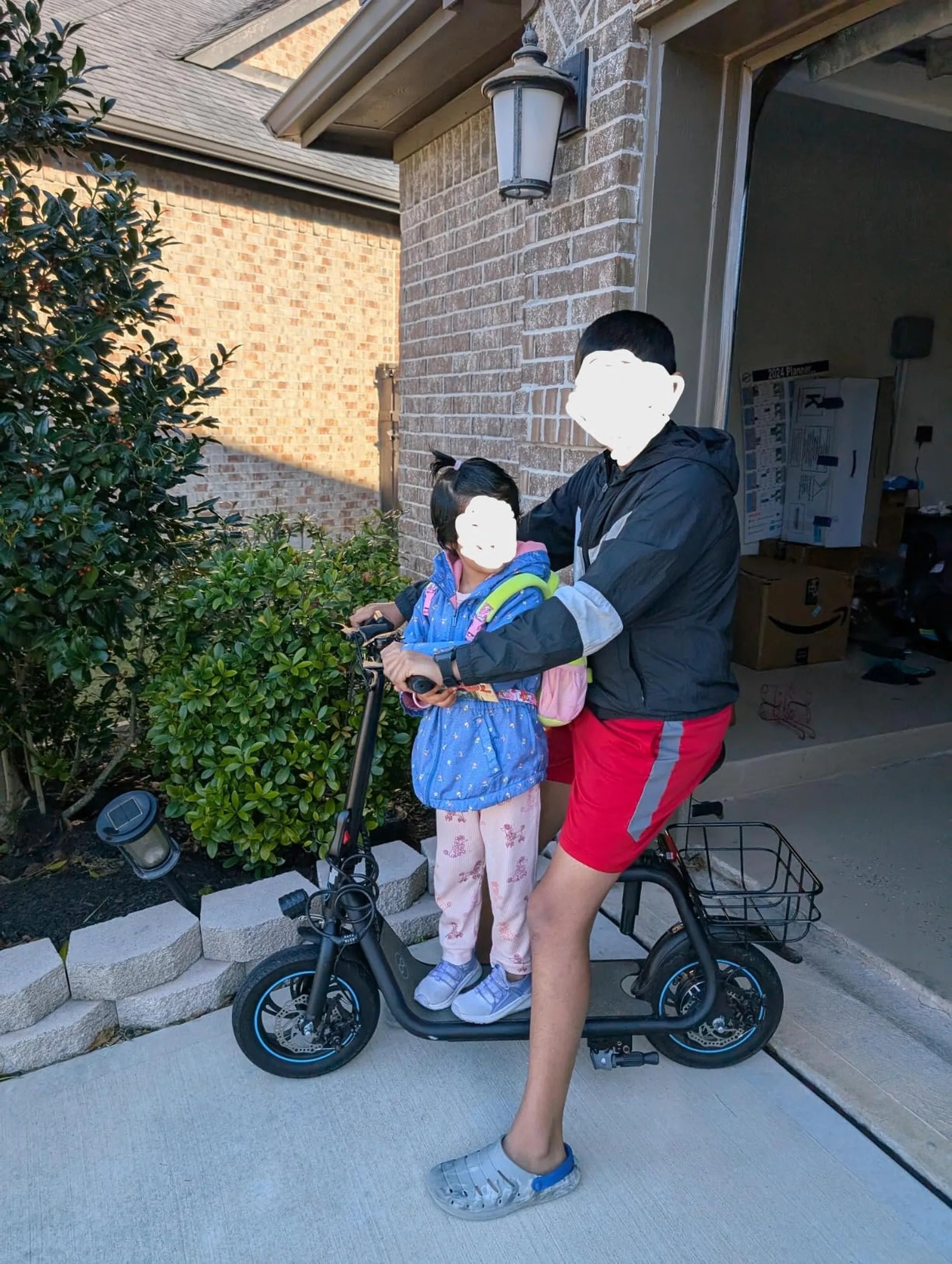
Introduction: Why Electric Scooters Are a Game-Changer for Older Kids
Electric scooters for older kids represent a significant shift from simple toys to legitimate tools for independence and fun. For children aged 10 to 15, a well-chosen e-scooter offers more than just recreation; it provides a practical way to visit friends, run local errands, or explore their neighborhood with a newfound sense of freedom. This guide focuses on selecting a model that prioritizes safety and durability, transforming a desire for fun into a responsible, skill-building activity.
The transition from pedal bikes or kick scooters to electric models is a major milestone. It requires careful consideration of engineering, safety protocols, and parental controls. The right electric scooter for older kids can be a safe and fun way to get around, but the wrong choice can lead to frustration or safety concerns. Our goal is to equip you with the knowledge to make an informed decision that balances excitement with security.
Parents today are increasingly looking at micro-mobility solutions for their tweens and early teens. The market has evolved with models specifically designed for this age group, featuring appropriate power, enhanced stability, and built-in safety measures. Understanding these features is the first step toward a positive experience for the entire family.
This article will delve into the critical safety specifications you must prioritize, practical factors for choosing the right model, and the essential gear and rules needed for safe operation. We will also highlight why certain brands, like Gyroor, with their focus on certified components and reliable warranties, offer distinct advantages for parents seeking peace of mind.
Key Safety Features to Prioritize for a Kids' E-Scooter
When evaluating electric scooters for older kids, safety features must be the primary filter. Performance and aesthetics are secondary to the engineering that prevents accidents and protects the rider. A safe and fun way to get around is only possible when the scooter's design incorporates proven safety technology from the wheels up.
The core safety architecture of a scooter involves its braking system, stability, and speed controls. These elements work together to give the rider confidence and parents assurance. Compromising on any of these to save money or gain higher speed is a risk not worth taking for this age group.
Reputable manufacturers understand this priority and build their models accordingly. They invest in reliable braking mechanisms, stable wheel configurations, and programmable speed limits. These features are non-negotiable for a responsible electric scooter experience for older kids.
Let's break down the most critical safety systems. Understanding these will help you decipher product specifications and ask the right questions before making a purchase. This knowledge is fundamental to ensuring your child's scooter is a tool for enjoyment, not anxiety.
Braking Systems: Disc vs. Electronic & Why It Matters
The braking system is the most important safety feature on any vehicle. For electric scooters for older kids, a single braking method is often insufficient. A combination of two systems provides redundancy and greater stopping power in diverse conditions, such as wet pavement or sudden obstacles.
Disc brakes, similar to those on quality bicycles, use a caliper to clamp a rotor attached to the wheel hub. They offer strong, consistent braking performance that is less affected by weather. Electronic (or regenerative) brakes use the motor's resistance to slow the scooter down, often while feeding a small amount of energy back into the battery.
The ideal setup for an older kid's scooter is a dual-braking system, typically combining an electronic brake with a mechanical disc or drum brake. This allows the rider to use the smooth electronic brake for gradual slowing and have the powerful mechanical brake for emergency stops. A foot fender brake can be a useful third option but should not be the primary system.
When reviewing models, look for scooters that specify a dual-brake system. This engineering choice demonstrates the manufacturer's commitment to safety. It ensures that if one system were to fail or become less effective (e.g., a wet disc), a second, independent system is immediately available.
Stable Wheel and Deck Design
Stability is paramount for building a new rider's confidence and preventing wipeouts. This stability is primarily determined by wheel size, type, and deck design. Larger wheels roll over cracks, pebbles, and minor pavement imperfections much more smoothly than smaller, solid wheels.
For older kids, air-filled (pneumatic) tires in the 8-inch to 10-inch diameter range are highly recommended. They provide superior shock absorption and traction compared to smaller solid rubber tires. A wider deck made of rigid, aerospace-grade aluminum offers ample foot space, allowing for a comfortable and balanced stance.
The deck surface must have a pronounced anti-slip texture. This grip tape or patterned rubber coating keeps feet firmly planted during acceleration, braking, and turning. A wobbly or slippery stance is a direct cause of many beginner falls. The handlebar should also be adjustable or appropriately sized for the child's height to promote an upright, controlled posture.
Finally, check the scooter's wheelbase—the distance between the front and rear wheels. A longer wheelbase generally contributes to greater stability at speed, though it may reduce maneuverability slightly. For older kids just graduating to faster electric scooters, stability should be favored over extreme agility.
Speed Modes and Parental Controls
Unrestricted speed is a major hazard for new riders. Therefore, the presence of multiple speed modes and effective parental controls is a critical safety feature. These tools allow the riding experience to grow with the child's skill level, starting slow and unlocking more power only when they have demonstrated competence.
A beginner mode should cap speed at a safe 7-10 mph (11-16 km/h), perfect for mastering basic controls in a parking lot. An intermediate mode might allow 12-15 mph (19-24 km/h), suitable for bike paths. Some advanced models may have a top speed mode, but for most older kids, a maximum of 15-16 mph is more than sufficient and significantly safer.
Parental controls can take several forms. The most basic is a simple mode switch that requires a key or sequence to change. More advanced systems integrate with a smartphone app, allowing a parent to set a permanent speed limit, monitor battery life, track the scooter's location, or even lock it remotely. These smart features provide an extra layer of oversight and security.
When choosing an electric scooter for older kids, view these controls not as a restriction, but as an essential training tool. They enable a safe and fun way to get around by ensuring the speed matches the environment and the rider's ability. This graduated approach builds skill and responsibility over time.
Top Considerations When Choosing an E-Scooter for Your Child
Beyond core safety specs, several practical factors determine whether a scooter will be a good long-term fit for your child and your family's lifestyle. Matching the scooter's capabilities to your child's size and intended use is key to satisfaction and value.
Consider where and how often the scooter will be used. Is it for short trips around a suburban neighborhood, or will it be used for longer adventures on bike trails? Will it need to be carried up apartment stairs or folded into a car trunk frequently? Answering these questions guides you toward the right balance of power, range, and portability.
It is also crucial to match the scooter to the child's physical development. A scooter that is too powerful, too heavy, or too tall can be intimidating and unsafe. Conversely, a model they will quickly outgrow is a poor investment. The following considerations will help you find the perfect match.
Always cross-reference your choices with the manufacturer's official specifications for weight capacity, recommended age, and rider height. These guidelines are based on the scooter's structural engineering and are essential for safe operation. Never exceed the maximum weight limit.
Age, Weight, and Height Recommendations
Manufacturer recommendations provide the best starting point. Generally, electric scooters for older kids are designed for riders aged 10 and up. This aligns with the improved judgment, coordination, and strength typical of this age group. However, maturity varies, so the parent's assessment is equally important.
The scooter's motor power should be appropriate. For most 10-13 year olds, a 250W to 350W motor offers plenty of power for hills and acceleration without being excessive. For older or larger teens (13-15), a 350W to 500W motor may be suitable, especially if they have prior riding experience. Weight capacity is critical; ensure the scooter can support your child's weight plus a backpack, typically needing a limit of 150 lbs (68 kg) or more.
Handlebar and deck height significantly affect control and comfort. The child should be able to stand on the deck with a slight bend in their knees and reach the handlebars without hunching over. Some models offer telescoping or adjustable handlebars, which are excellent for accommodating growth spurts, making the scooter last for several years.
Ignoring these size and power guidelines can make riding uncomfortable or hazardous. A scooter that is too small or underpowered will feel sluggish and unstable. One that is too large or overpowered can be difficult to control, especially during low-speed maneuvers or emergency stops.
Range and Battery Life: Matching Scooter to Lifestyle
The scooter's range—how far it can travel on a single charge—directly impacts its utility. Battery capacity, measured in Amp-hours (Ah) or Watt-hours (Wh), the rider's weight, terrain, and speed all influence the real-world range. Manufacturers often list a maximum range under ideal conditions; a safe rule is to expect 60-70% of that figure.
For typical neighborhood use, visiting friends, or trips to a local park, a range of 8-12 miles (13-19 km) is usually adequate. This allows for plenty of riding with a safety buffer to get home. If your child plans on longer exploratory rides or commuting to school (where permitted), look for models with a range of 15-20 miles (24-32 km) or more.
Battery safety and management are paramount. Only consider scooters that use high-quality, brand-name lithium-ion battery cells. The charging process should be simple, and the charger should have safety features like overcharge protection. Teach your child to never leave the scooter charging unattended for extended periods and to store it in a cool, dry place.
A longer-range battery often means a slightly heavier scooter and a higher price. Balance your need for distance with practicality. For most older kids, a reliable 10-mile range provides a safe and fun way to get around their immediate world without range anxiety.
Portability and Weight: For Kids and Parents
The scooter's weight is a double-edged sword. Heavier scooters (over 30 lbs / 13.6 kg) tend to be more robust and stable, but they can be difficult for a child to carry up stairs or lift into a bike rack. Lighter scooters (under 25 lbs / 11.3 kg) are easier to transport but may feel less substantial at higher speeds.
Consider your child's strength and where the scooter will be stored. If it lives in a garage and is ridden from home, weight is less critical. If it needs to be carried into an apartment, up to a bedroom, or in and out of a car trunk frequently, a lighter model is a significant advantage. This is a key factor in ensuring the scooter gets used regularly.
A quick-folding mechanism is a hugely valuable feature for portability and storage. A secure latch allows the scooter to fold in half, reducing its length by nearly 50%. This makes it easy to stash in a closet, slide under a bed, or fit into a car trunk for a trip to the trails. The folding joint must feel solid and lock positively to avoid any collapse while riding.
Ultimately, the ideal weight is the heaviest scooter your child can comfortably manage for their typical use case. This ensures durability without becoming a logistical burden. A good folding design can make a slightly heavier scooter much more manageable for both kids and parents.
Why Gyroor Stands Out for Older Kids' Electric Scooters
In a crowded market, Gyroor has established itself as a leader by focusing on the core concerns of safety-conscious parents. With over 100,000 riders across North America and Europe and a 4.5/5 average customer rating, their approach combines rigorous engineering with practical family-friendly features. This makes their scooters a compelling choice for parents seeking a reliable electric scooter for older kids.
Gyroor's philosophy centers on building durable, safe micro-mobility devices that empower riders without compromising on security. Their models for older kids are not downscaled adult scooters; they are engineered with specific features like speed limiters, stable platforms, and robust construction to suit younger riders. This targeted design is a significant differentiator.
The brand's commitment is backed by tangible specifications and warranties that directly address parental worries about battery fires, water damage, and breakdowns. When you choose a Gyroor scooter, you are investing in a product designed for real-world use by families, not just for maximum speed or flashy looks.
Let's examine the specific engineering and service elements that make Gyroor a standout brand for providing a safe and fun way to get around for older children. These factors translate the abstract idea of "quality" into concrete, verifiable benefits.
Engineered for Safety: UL-Certified Batteries and IPX5 Build
The most critical safety component in any e-scooter is its battery pack. Gyroor uses only UL-certified lithium-ion batteries across its entire lineup. UL certification is an independent, rigorous safety standard that tests for electrical, mechanical, and fire hazards. This certification is the gold standard, indicating the battery has passed extensive testing for safe operation and charging cycles.
This is a non-negotiable feature for peace of mind. It significantly reduces the risk of battery-related incidents, which are a top concern for parents. Furthermore, Gyroor batteries are rated for 500+ charge cycles, ensuring long-term performance and value.
Complementing the safe battery is an IPX5 water-resistant rating on key models. An IPX5 rating means the scooter can withstand water jets from a nozzle from any direction, making it resistant to rain, puddles, and wet roads. This protection prevents water ingress that could damage electrical components or cause a short circuit, enhancing both durability and electrical safety for everyday riding conditions.
Together, the UL-certified battery and IPX5 construction form a foundational safety package. They ensure the scooter's heart—its power system—is as protected and reliable as possible, allowing kids to enjoy their ride without parents worrying about fundamental electrical hazards.
Built to Last: Durability and Warranty Peace of Mind
Durability is where engineering meets daily reality. Gyroor constructs its frames from high-grade, aerospace aluminum alloys. This material offers an excellent strength-to-weight ratio, creating a frame that is both light enough to carry and strong enough to withstand the bumps and occasional knocks of active use by older kids.
Components like the folding mechanism, brake levers, and stem clamp are designed for repeated use. The deck is covered with a high-grip, wear-resistant surface, and the wiring is internally routed for protection. This attention to build quality means the scooter is less likely to develop rattles, loose parts, or failures that can sideline the fun.
Gyroor supports this durable construction with a comprehensive 1-year warranty on the scooter and a 6-month warranty on the battery. This warranty covers manufacturing defects and provides a direct channel for support. Perhaps more importantly, Gyroor maintains US-based customer service, ensuring that if an issue arises, you can get help quickly and without language barriers or long international shipping delays.
This combination of robust materials and strong warranty support provides long-term peace of mind. It transforms the purchase from a disposable gadget into a reliable piece of personal transportation that can grow with your child for years.
Smart Features for Parental Peace of Mind
Gyroor integrates smart, practical features that align perfectly with the need for parental oversight. Many of their models designed for younger riders come with multiple speed modes (often three) that are easily selectable via the display or a companion app. This allows you to lock the scooter into a beginner-friendly mode as your child learns.
For tech-savvy families, app connectivity is a powerful tool. Through the app, parents can potentially monitor ride history, check battery status in real-time, adjust speed limits remotely, and even engage a electronic lock to prevent unauthorized use. These features extend parental control beyond the initial purchase, allowing you to manage the riding experience as your child gains responsibility.
The scooters also feature clear, backlit displays that show speed, battery level, and selected mode. This helps the rider stay informed without being distracted. Bright, integrated front and rear lights are standard on many models, enhancing visibility and safety for evening rides.
These smart features are implemented with a family's needs in mind. They are not gimmicks but practical tools that make it easier to manage a safe and fun way to get around. They provide a digital layer of safety that complements the physical safety built into the scooter's hardware.
Getting Started: Essential Riding Gear and Rules of the Road
Purchasing a safe scooter is only half the equation. Equipping your child with the right protective gear and establishing clear riding rules are equally vital for ensuring a safe and fun way to get around. This education is what transforms a powerful device into a responsible activity.
Think of gear and rules as the essential software that runs on the hardware of the scooter. Without them, even the best-engineered scooter cannot guarantee safety. This process also fosters a sense of responsibility in the young rider, making them an active participant in their own security.
Set these expectations before the first ride. Make putting on gear as non-negotiable as buckling a seatbelt. Discuss the rules of the road and practice them together in a controlled environment. This proactive approach prevents bad habits from forming and builds a foundation for a lifetime of safe riding.
Consistency from parents is key. By always insisting on gear and reinforcing the rules, you normalize safe behavior. This section outlines the absolute essentials for getting started on the right foot—or wheel.
The Non-Negotiable Gear List: Helmet, Pads, and Visibility
A CPSC-certified bicycle helmet is mandatory, every single time. It must fit snugly, sitting level on the head and covering the forehead. Let your child choose a helmet they like the look of—they'll be more likely to wear it. Replace any helmet after a significant impact, even if no damage is visible.
While not always mandatory by law, knee and elbow pads are highly recommended, especially during the learning phase. Wrist guards are also an excellent idea, as falls often involve putting hands out to brace. This protective gear can prevent painful scrapes, cuts, and more serious fractures.
Visibility is a critical, often overlooked, aspect of safety. Ensure your child wears bright or reflective clothing when riding. The scooter itself should have a bright white front light and a red rear light, which should be used not just at night, but in any low-light conditions like dawn, dusk, or overcast days. Adding additional reflectors or LED strips to the frame or helmet can further increase visibility to drivers.
This gear is not optional. It is the primary defense against injury. Investing in high-quality, comfortable protective equipment is one of the best investments you can make alongside the scooter itself.
Establishing Ground Rules and Practice Zones
Before hitting the streets, establish a clear set of family riding rules. These should include: always wearing a helmet and gear, no riding with headphones or earbuds (to maintain awareness of surroundings), no passengers on a single-rider scooter, and obeying all traffic signs and signals as if riding a bicycle.
Define where it is safe to ride. Start in a completely empty, paved area like a school parking lot on a weekend or a quiet cul-de-sac. This "practice zone" is for mastering the basics: starting, stopping, turning, using the brakes smoothly, and controlling speed. Practice emergency stops until they become instinctive.
Once basic control is mastered, research and teach local laws. Rules vary widely: some cities allow e-scooters on sidewalks, others restrict them to bike lanes or roads with speed limits under 25 mph. Teach your child to always yield to pedestrians, use hand signals for turns, and avoid riding on wet or sandy surfaces where traction is reduced.
Supervise initial rides in real-world conditions. Ride alongside them on a bicycle to model good behavior. Gradually increase the complexity of routes as their skill and judgment improve. This hands-on coaching is invaluable for building a confident and law-abiding rider.
Comparison Table: Key Features for Older Kids' E-Scooters
This table compares essential features to look for when evaluating electric scooters for older kids. Use it as a checklist during your research.
| Feature Category | What to Look For | Why It Matters for Safety & Fun |
|---|---|---|
| Braking System | Dual-brake system (e.g., electronic + disc) | Provides reliable stopping power and redundancy in all conditions. |
| Wheels & Stability | 8-10" air-filled tires, wide anti-slip deck | Improves comfort, absorbs bumps, and provides secure footing. |
| Speed & Controls | 3-speed modes, app or PIN-based parental limits | Allows graduated learning and ensures speed matches skill level. |
| Motor Power | 250W - 350W for ages 10-13; 350W - 500W for teens | Provides adequate hill-climbing ability without excessive, unsafe speed. |
| Battery & Range | UL-certified battery, 8-15 mile real-world range | Ensures electrical safety and provides practical utility for trips. |
| Build & Warranty | IPX5 water resistance, 1-year comprehensive warranty | Protects against elements and offers long-term repair support. |
| Portability | Weight under 30 lbs, secure folding mechanism | Makes it manageable for kids to carry and easy for family transport. |
Frequently Asked Questions (FAQs)
Q: What is a good age for an electric scooter for kids?
A: Most manufacturers recommend electric scooters for riders aged 10 and up. This recommendation is based on the required motor skills, strength, and judgment needed to operate a powered vehicle safely. However, parental assessment of the individual child's maturity, coordination, and ability to follow rules is equally important. Always check the specific age and weight guidelines for the model you are considering.
Q: Are electric scooters safe for 12-year-olds?
A>Yes, electric scooters can be safe for 12-year-olds when the proper conditions are met. Safety depends on three pillars: 1) Choosing a scooter with appropriate safety features (dual brakes, speed modes, stable design), 2) Mandating the use of full protective gear (CPSC helmet, pads), and 3) Providing thorough training and establishing clear riding rules. Supervision and gradual skill-building are key to a safe experience.
Q: How fast should an e-scooter for a kid go?
A: Beginner modes should be capped at 7-10 mph (11-16 km/h). As skills develop, an intermediate mode of 12-15 mph (19-24 km/h) is sufficient for most older kids and teens. Very few situations require a child to go faster than 15-16 mph on a scooter. The focus should be on control and safety, not top speed. Parental controls that limit maximum speed are a critical feature.
Q: Where is it legal for my child to ride their electric scooter?
A: Laws vary significantly by city, county, and state. Common legal riding areas include bike lanes, multi-use paths, and sometimes sidewalks (though pedestrians always have the right of way). Many jurisdictions prohibit riding on roads with speed limits above 25-35 mph. It is the parent's responsibility to research and obey local ordinances, which often cover minimum age, helmet requirements, and where e-scooters are permitted.
Q: How do I maintain my child's electric scooter to keep it safe?
A: Regular maintenance is crucial. Key tasks include: checking tire pressure for air-filled tires monthly, ensuring all bolts (especially on the stem and folding mechanism) are tight, testing brakes before each ride, keeping the battery charged between 20-80% for longevity, and storing the scooter in a dry place. Clean the deck and frame with a damp cloth; avoid high-pressure water sprays. Refer to the manufacturer's manual for specific maintenance schedules.
Conclusion: Fostering Independence the Smart Way
Choosing the right electric scooter for your older child is an investment in their independence, confidence, and enjoyment of the outdoors. By prioritizing UL-certified batteries, dual braking systems, and adjustable speed controls, you lay a foundation of safety that allows the fun to flourish. Pairing a well-engineered scooter with non-negotiable protective gear and clear rules transforms a simple purchase into a valuable lesson in responsibility.
Brands that stand behind their products with robust warranties and responsive customer service, like Gyroor, offer more than just a vehicle; they offer peace of mind. Knowing that the scooter is built to withstand real-world use and is backed by support allows both parents and kids to relax and enjoy the ride. The goal is to create positive memories and practical mobility, not moments of worry.
An electric scooter for older kids, when selected and used correctly, is more than a toy. It is a gateway to exploration, a tool for developing spatial awareness and traffic safety skills, and a source of pure, exhilarating fun. It represents a modern, eco-friendly step toward the independence that tweens and teens naturally seek.
Ready to explore a range of electric scooters engineered with safety and durability as the top priority? Browse the full Gyroor collection, featuring UL-certified batteries, IPX5 water-resistant designs, and models perfect for building responsible riding habits, at gyroorboard.com. Find the ideal scooter to start your family's next adventure.
Electric Scooters Brugge: The Ultimate Guide to Eco-Friendly City Exploration
Jacksonville Electric Scooters: The Ultimate Guide to Eco-Friendly Commuting