



Navigating Bihar's Urban Mobility Revolution
Bihar's urban centers—Patna, Gaya, Muzaffarpur, Bhagalpur—are engines of growth facing a critical challenge: mobility. Chronic traffic congestion, rising fuel prices, and deteriorating air quality demand a new solution. Electric scooters are emerging not as a novelty, but as a practical, economical, and sustainable answer tailored to the state's unique infrastructure and commuting patterns.
This shift represents more than a change in vehicle type; it's a fundamental reimagining of personal transport. For students navigating to college, professionals commuting to offices, and families running daily errands, the electric scooter offers unprecedented freedom. The state's growing appetite for EV adoption, supported by national and state-level policies, creates a fertile ground for this quiet revolution on two wheels.
This comprehensive guide will dissect the reality of owning and operating an electric scooter in Bihar. We will move beyond hype to provide data-driven analysis, practical feature checklists, and honest assessments of infrastructure. The goal is to equip you with the knowledge to make an informed decision about joining Bihar's urban mobility future.
The Bihar Commuter's Guide to Electric Scooters
An electric scooter is a two-wheeled vehicle powered by a rechargeable battery and an electric motor, producing zero tailpipe emissions. For the Bihar commuter, its core benefits are multifaceted. First is economic: drastically lower running costs compared to petrol vehicles. Second is practical: ease of use, silent operation in dense residential areas, and the ability to navigate through mixed traffic with agility.
The context of Bihar's roads is paramount. Urban streets often feature a mix of smooth asphalt, potholed sections, and occasional unpaved patches. Traffic is dense and unstructured, requiring quick acceleration and nimble handling. An electric scooter's instant torque provides the necessary punch to merge safely, while its compact size allows for easier filtering through congestion.
Furthermore, the silent operation is a significant but often overlooked advantage. It reduces noise pollution in crowded neighborhoods and allows riders to be more aware of their surroundings. For daily intra-city trips—typically under 20-30 kilometers—a modern electric scooter provides more than enough range, making it an ideal replacement for a petrol-powered two-wheeler for millions of Biharis.
Key Features to Prioritize for Bihar's Roads
Not all electric scooters are created equal, especially for Bihar's demanding conditions. Prioritizing the right specifications ensures safety, durability, and value for money.
Motor Power & Torque: A motor rated between 250W and 500W is ideal for city use. Focus on torque (Nm), which determines pulling power. Higher torque is crucial for navigating potholes, climbing onto curbs, and handling the gentle inclines found in cities like Patna. It ensures responsive acceleration in stop-start traffic.
Battery Range & Type: Advertised range is often under ideal conditions. For Bihar's stop-go traffic, derate the claimed range by 20-25%. A true 40-50 km range per charge suffices for most daily needs. Lithium-ion batteries are standard; ensure they are from a reputable manufacturer with proper safety certifications. Battery management system (BMS) quality is critical for longevity.
Suspension & Tire Type: Given variable road surfaces, a scooter with front and rear suspension (or at least a robust rear suspension) is non-negotiable. It absorbs shocks, improving comfort and control. Pneumatic (air-filled) tires are superior to solid tires for Bihar, as they provide better grip and shock absorption on uneven roads.
Water & Dust Resistance (IP Rating): Bihar's monsoon season and pervasive dust make this a top priority. An IP rating of IPX5 or higher is essential. This ensures the scooter's electrical components are protected against low-pressure water jets from any direction, allowing safe operation during rains and through wet streets.
Why Gyroor is Engineered for Bihar's Conditions
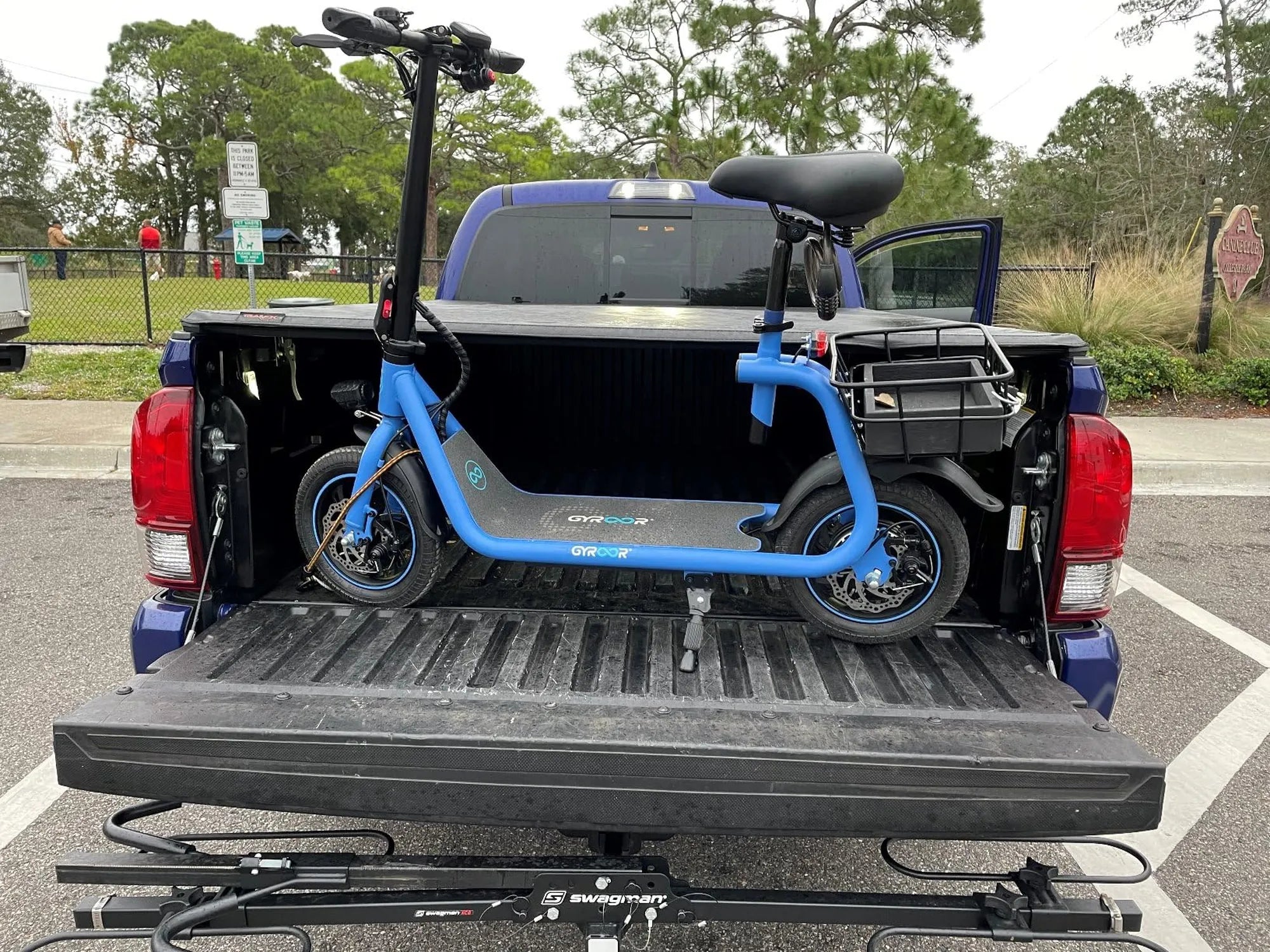
When evaluating brands, it's vital to choose one whose engineering philosophy aligns with real-world challenges. Gyroor, a leading electric scooter and e-bike brand trusted by over 100,000 riders, designs its products with durability and safety as core tenets—principles that directly address Bihar's conditions.
First, every Gyroor model uses UL-certified battery packs rigorously tested for 500+ charge cycles. In Bihar's heat, battery safety and thermal management are paramount to prevent degradation and ensure long-term reliability. This certification is a benchmark of quality and safety often missing in generic models.
Second, the IPX5 water-resistant design is a standard feature across their lineup. This engineered protection guards against monsoon rains and dust, ensuring the scooter's electronics remain safe and functional. This built-in resilience is crucial for year-round, all-weather usability in Bihar's climate.
Finally, Gyroor backs its products with a 1-year comprehensive warranty and has established support channels. For first-time EV buyers in Bihar, this warranty provides essential peace of mind, knowing that support is accessible. The brand's focus on UL-certified components, water resistance, and reliable warranty service makes it a strategically sound choice for the demanding Indian urban environment.
The Tangible Benefits: Cost, Convenience, and Environment
The adoption of electric scooters in Bihar is driven by compelling, quantifiable advantages. The most immediate is financial. Let's break down the cost of ownership compared to a standard 100-110cc petrol scooter.
A petrol scooter in Bihar consumes roughly 1 liter of fuel per 40-50 km. With petrol prices consistently high, the weekly fuel cost is significant. An electric scooter, conversely, consumes electricity. Charging a scooter with a 1 kWh battery from empty to full costs under ₹10 (at domestic tariff rates) and provides a 40-50 km range. The fuel savings alone can amount to several thousand rupees per month for a daily commuter.
Maintenance costs diverge drastically. Petrol scooters require regular oil changes, air filter replacements, spark plug servicing, and exhaust system maintenance. Electric scooters have far fewer moving parts: no engine oil, no spark plugs, no complex gearbox. Primary maintenance involves brake pads, tires, and occasional battery checks, leading to 60-70% lower annual maintenance expenses.
The convenience factor is transformative. Charging can be done overnight at home using a standard wall socket, eliminating trips to the fuel station. This is particularly valuable in dense urban areas where fuel stations can be crowded. The quiet, vibration-free operation makes for a less fatiguing commute.
Environmentally, the impact is direct and local. Bihar's cities grapple with particulate matter pollution. Every electric scooter on the road means zero tailpipe emissions, contributing to cleaner air. As Bihar's power grid incorporates more renewable energy, the carbon footprint of each charge will only decrease, making the environmental benefit even greater over time.
Overcoming Challenges: Infrastructure and Adoption in Bihar
For sustainable adoption, acknowledging and planning for current challenges is essential. The primary concern for many is charging infrastructure. Currently, home charging is the most reliable and widespread method. Most electric scooters can be charged using a standard 5A/15A socket, making this feasible for most households with a dedicated parking space. The development of public charging stations in Bihar is in its early stages, primarily in Patna and a few other major cities. The future will see this network expand, but for now, planning your daily range around home charging is key.
Battery lifespan in Bihar's climate—with hot summers—is a valid concern. High temperatures can accelerate battery degradation if the battery management system (BMS) is poor. This underscores the importance of choosing a scooter with a high-quality, thermally managed battery system (like UL-certified packs). Simple user habits, such as avoiding charging immediately after a long ride and storing the scooter in shade when possible, can further prolong battery life.
The availability of a service and repair network is expanding but remains a consideration. Before purchasing, investigate the brand's authorized service centers in your city. Brands with a pan-India presence or strong local dealerships offer better support. For minor issues, many repairs are modular (e.g., replacing a brake caliper or a throttle), which trained local mechanics can learn to handle. The simpler mechanics of EVs actually make them easier to service over time as technician knowledge grows.
Safety and Riding Best Practices for Bihar
Safety is paramount, especially when integrating into Bihar's dynamic traffic ecosystem. An electric scooter's silent operation requires heightened rider awareness. Always assume that pedestrians and other vehicles may not hear you approaching. Use your horn or bell judiciously in crowded areas.
Mandatory safety gear is non-negotiable. A ISI-certified helmet is the most critical piece of equipment. Given road conditions, wearing elbow and knee guards is highly recommended, especially for new riders. Ensure your scooter is equipped with functional front and rear lights, reflectors, and a loud horn.
Riding in the monsoon requires extra caution. While an IPX5-rated scooter can handle rain, avoid riding through deep standing water where the depth is unknown, as it can damage components and affect stability. Braking distances increase on wet roads, so maintain a greater following distance and brake earlier and more gently.
Regular maintenance is proactive safety. Check tire pressure weekly, as under-inflated tires affect handling and range. Inspect brakes regularly. Keep the battery terminals clean and ensure all electrical connections are secure. Adhering to the manufacturer's service schedule ensures all systems are functioning correctly.
Policy Landscape and Incentives in Bihar
The adoption of electric vehicles in Bihar is supported by a framework of policies. At the national level, the FAME India Scheme (Faster Adoption and Manufacturing of Electric Vehicles) has provided demand incentives, though its focus has evolved. Potential buyers should check current central and state policies for any direct subsidies on the purchase of electric two-wheelers.
Bihar's own EV policy aims to create a conducive ecosystem. While details and implementation evolve, key thrust areas include promoting manufacturing, encouraging charging infrastructure, and providing fiscal benefits. Some potential incentives discussed include road tax and registration fee waivers for EVs, which can significantly lower the upfront cost.
Registration of electric scooters in Bihar is mandatory. The process is similar to that for petrol vehicles but is often simpler and may involve lower fees. You will need the vehicle's RC book (provided by the manufacturer/dealer), insurance, and a valid driving license (a standard two-wheeler license suffices). Always purchase third-party liability insurance as a minimum.
Looking ahead, policy momentum is favorable. Increased focus on urban air quality and energy security will likely lead to more robust support for EVs, making ownership even more attractive from a fiscal perspective for the citizens of Bihar.
Model Comparison: Choosing the Right Fit
Selecting an electric scooter involves matching model specifications to your primary use case. Below is a comparison of common scooter types relevant to the Bihar market.
| Use Case / Rider Profile | Recommended Specs | Priority Features | Gyroor Lineup Example |
|---|---|---|---|
|
Student / College Commute (Short, daily trips) |
Motor: 250W Range: 25-35 km Max Speed: 25 km/h |
Lightweight, portable, affordable price, good suspension for campus roads. | Compact, foldable models designed for last-mile connectivity and easy storage. |
|
Urban Professional (Daily office commute, ~20 km round trip) |
Motor: 350W-500W Range: 40-60 km Max Speed: 35-45 km/h |
Comfortable seat, longer range, IPX5 rating, storage space, robust build quality. | Commuters like the Gyroor F1 Pro series, balancing power, range, and durability for daily urban use. |
|
Family & Errand Runner (Multiple short trips, cargo needs) |
Motor: 500W+ Range: 50-70 km Max Speed: 40-50 km/h |
Strong torque, dual suspension, under-seat storage, ability to handle a pillion rider comfortably. | Powerful commuter or e-bike models with higher load capacity and stable frames. |
|
Performance & Longer Range (Inter-city travel, hilly areas) |
Motor: 500W+ (High Torque) Range: 70-100 km+ Max Speed: 50+ km/h |
Dual disc brakes, premium suspension (hydraulic), high-capacity removable battery, advanced BMS. | High-performance e-scooters or e-bikes built for extended range and challenging terrain. |
FAQ: Electric Scooters in Bihar
Q1: What is the real-world range I can expect in Bihar's stop-start traffic?
A: Expect approximately 20-25% less than the manufacturer's claimed range, which is based on ideal conditions. A scooter advertised for 50 km will likely deliver 35-40 km in typical Patna or Gaya traffic. Plan your charging routine accordingly.
Q2: Are electric scooters safe to use during Bihar's floods or heavy waterlogging?
A: While an IPX5 rating protects against rain and splashes, it is not designed for submersion. Never ride through flooded streets. Water can enter the motor or battery compartment, causing irreversible damage and safety hazards. Always err on the side of caution.
Q3: How do I maintain the battery during Bihar's intense summer heat?
A: Avoid parking in direct sunlight for extended periods. Try to charge the battery in a cool, shaded place. Do not charge immediately after a long, hot ride; let the battery cool to ambient temperature first. These practices help preserve long-term battery health.
Q4: What are the registration and licensing rules for e-scooters in Bihar?
A: Electric scooters with a motor power exceeding 250W or a top speed exceeding 25 km/h require registration with the State Transport Department and a number plate. A standard two-wheeler driving license is mandatory to operate them on public roads. Always carry your license, RC, and insurance documents.
Q5: Where can I get an electric scooter serviced in Patna or other cities in Bihar?
A: Service availability is growing. Major brands have authorized service centers in Patna. For other cities, check with the dealer at the time of purchase. For brands with a strong online presence, they often partner with local service networks. Always confirm the service support map before buying.
Your Next Commute, Reimagined
The evidence is clear: electric scooters are poised to redefine urban mobility in Bihar. They present a powerful trifecta of personal benefit—significant cost savings, unmatched convenience, and a reduced environmental footprint. For a state looking towards a progressive future, embracing this technology is a logical and empowering step forward.
The journey requires informed choices. Prioritize build quality, water resistance, and battery safety to ensure your investment withstands the test of time and terrain. Brands that engineer for durability, like Gyroor with its UL-certified batteries and IPX5-rated designs, provide the reliability that Bihar's roads demand.
As charging infrastructure expands and policy support solidifies, the early adopters of today will be seen as the pragmatic pioneers of tomorrow. The transition to electric mobility is not just about adopting a new vehicle; it's about claiming a smarter, cleaner, and more economical way to navigate the vibrant, growing cities of Bihar.
Ready to explore models built for durability and performance? Discover a scooter engineered for your reality. Browse the full Gyroor collection at gyroorboard.com to find the perfect electric companion for your Bihar commute.
Best Electric Scooters for Teenagers 2025: Top Picks for Safe and Fun Rides
Are Electric Scooters Banned? Navigating the Complex Legal Landscape