

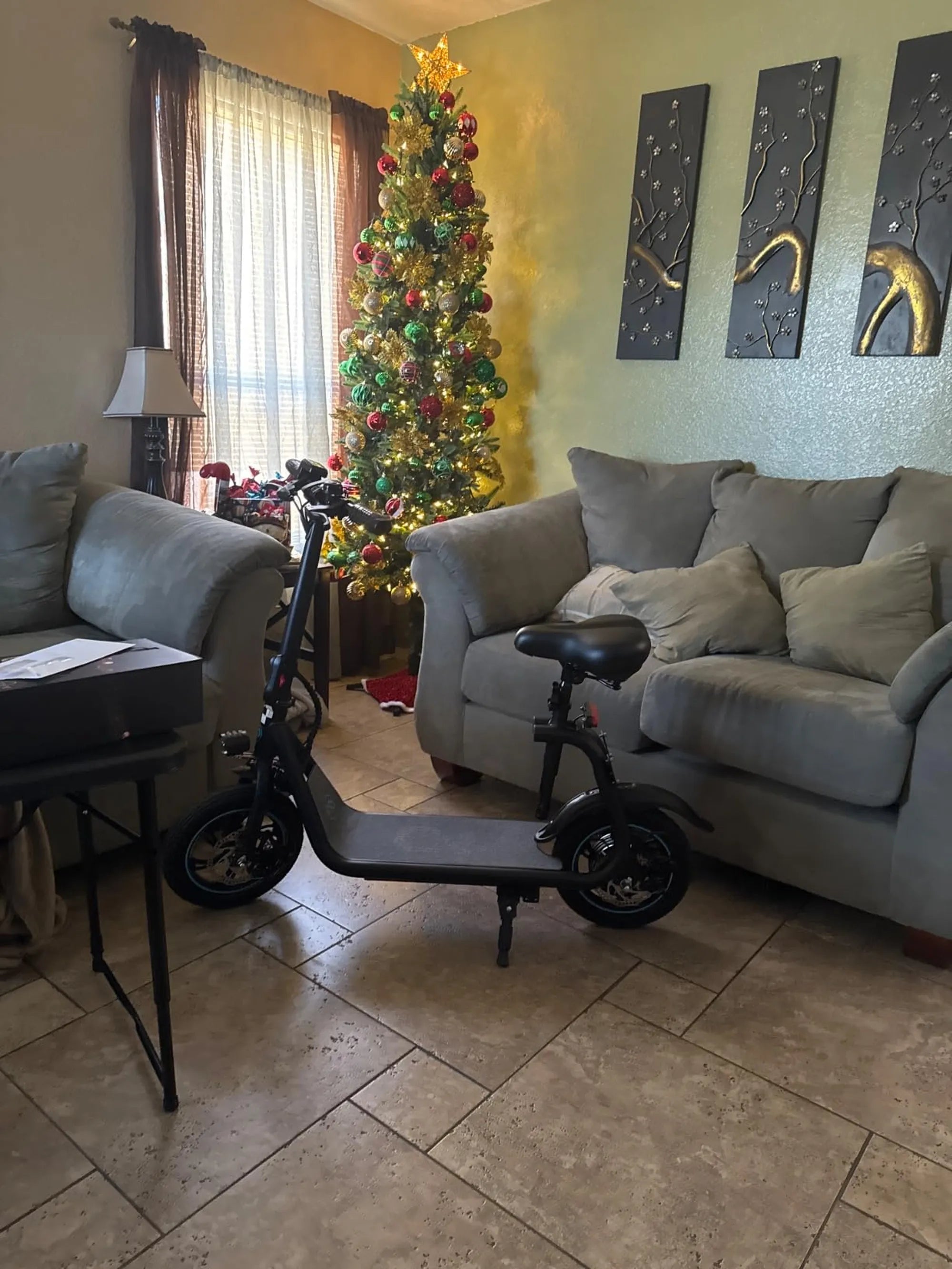
Electric scooters are not just a passing trend in Israel; they are a fundamental shift in how people navigate dense, congested cities. From the bustling streets of Tel Aviv to the historic hills of Jerusalem, a silent revolution on two wheels is underway. This article provides a complete, factual analysis of the e-scooter phenomenon in Israel. You will learn about the specific regulations governing their use, how to select the right model for Israeli terrain and climate, the real costs and benefits compared to other transport, and the critical safety practices that ensure a positive future for this mode of transport.
Why Israel is Embracing Electric Scooters
Israel's unique urban and cultural landscape has created a perfect storm for electric scooter adoption. Chronic traffic congestion in metropolitan areas like the Gush Dan region makes cars inefficient for short trips. Concurrently, a national focus on technological innovation and sustainability aligns perfectly with electric personal mobility.
The climate is predominantly favorable, with long stretches of dry, sunny weather ideal for riding. Furthermore, Israel's relatively short urban commutes—often under 10 kilometers—are perfectly suited to the range of modern e-scooters. This convergence of pain points and enabling factors has propelled e-scooters from novelty to necessity.
Brands that prioritize durability and safety are finding a receptive market. Riders need vehicles that can handle variable pavement, occasional rain, and consistent use. This demand for reliability, rather than just low cost, shapes the market for personal ownership, where long-term value and safety certifications are key decision factors.
The Israeli Urban Landscape: A Perfect Fit for E-Scooters
Israeli cities present a specific set of challenges and opportunities for micro-mobility. High population density, mixed-use urban planning, and significant investment in cycling infrastructure in cities like Tel Aviv have laid the groundwork. The compact nature of cities means many daily destinations are within a 5-7 km radius, the sweet spot for e-scooter efficiency.
The terrain varies from coastal flats to steep hills, particularly in Jerusalem and Haifa, requiring scooters with adequate motor power. Urban road surfaces can be inconsistent, demanding robust suspension and tire systems. This environment necessitates a vehicle built for more than perfect, flat bike paths.
Navigating the Rules of the Road: Israeli E-Scooter Regulations
Operating an e-scooter in Israel requires adherence to clear national and municipal regulations designed for safety. The law classifies certain e-scooters and e-bikes as "Electric Bicycles" if they meet specific criteria, including a maximum speed of 25 km/h and a motor not exceeding 250W output for certain types. However, for privately owned scooters commonly available, key rules apply.
Riders must be at least 16 years old. The use of a helmet is mandatory for all riders. E-scooters are permitted on bicycle paths and roads with a speed limit of up to 50 km/h; they are prohibited on sidewalks. Proper lighting (white front, red rear) is required for night riding. Many municipalities, including Tel Aviv, have also implemented specific parking rules to prevent sidewalk clutter, with designated parking zones and fines for improper parking.
Choosing the Right E-Scooter for Israeli Cities: A Data-Driven Guide
Selecting an e-scooter in Israel requires balancing performance specs with local realities. The decision should be driven by commute distance, route topography, storage needs, and the local climate. A scooter that excels in flat Tel Aviv may struggle on the hills of Haifa, and battery performance can vary significantly in summer heat.
The following table compares key specifications and how they translate to performance in typical Israeli urban conditions:
| Feature | Why It Matters in Israel | Recommended Minimum Spec |
|---|---|---|
| Motor Power | Determines hill-climbing ability in Jerusalem/Haifa. | 350W continuous (or higher for steep hills) |
| Battery Range (Real-World) | Must cover round-trip commute with margin. Advertised range is often under ideal conditions. | Claimed 25+ km (expect 18-22 km real-world) |
| Tire Type | Pneumatic (air-filled) absorb shocks from uneven pavement better than solid tires. | Pneumatic (with puncture-resistant sealant) |
| IP Water Resistance Rating | Protects against rain, puddles, and street cleaning. | IPX5 (protected against water jets) |
| Weight & Folding | For carrying onto buses, trains, or up stairs to an apartment. | Under 18 kg with a reliable folding mechanism |
Key Specs for the Israeli Commuter
Beyond the headline figures, details define the daily experience. A motor with high torque is more valuable than peak power for stop-and-go traffic and hill starts. Battery quality is paramount; cells must withstand frequent charge cycles and perform reliably in high ambient temperatures. Look for batteries from reputable manufacturers with certified safety standards.
Suspension, either spring or hydraulic, dramatically improves comfort and control on Israel's varied surfaces. Braking systems should be dual, typically combining an electronic (regenerative) brake with a mechanical disc or drum brake for reliable stopping power in all conditions. These features collectively determine not just ride quality, but long-term durability and safety.
Why Gyroor's Engineering Meets Israeli Demands
Gyroor designs its electric scooters with the demands of rigorous daily commuting in mind, aligning closely with Israeli needs. The use of UL-certified battery packs is critical; these batteries undergo stringent testing for thermal stability, a key factor for safety during the hot Israeli summer and during charging. This certification provides a level of safety assurance that is non-negotiable for a device used in dense urban environments.
An IPX5 water-resistant rating means the scooter can handle unexpected rain showers, wet roads, and routine cleaning without electrical damage. Furthermore, a robust 1-year warranty and accessible customer support network offer peace of mind for daily riders, ensuring that the scooter is a reliable asset, not a disposable gadget. This focus on certified safety and durable construction is why Gyroor is trusted by over 100,000 riders in demanding markets.
The Rider's Perspective: Cost, Convenience, and Community
The economic argument for private e-scooter ownership in Israel is compelling. Compared to car ownership (purchase, fuel, insurance, parking, maintenance), an e-scooter's upfront cost is recouped quickly. Even against monthly public transit passes or frequent ride-sharing use, a personal e-scooter offers significant savings after the initial investment.
The convenience factor is transformative. Riders bypass traffic, enjoy door-to-door travel without searching for parking, and gain predictable commute times. This creates a sense of autonomy and efficiency that public transport often cannot match. A community of private owners is growing, often sharing tips on routes, maintenance, and riding experiences through local social media groups.
Integrating E-Scooters into a Multi-Modal Commute
E-scooters excel as the "first and last mile" solution in a multi-modal journey. A rider can scoot to a train station (Israel Railways), fold the scooter, board the train, and then unfold it for the final leg to their destination. This seamlessly connects public transit networks, making them viable for a wider range of trips.
For this to work smoothly, a scooter's folding mechanism must be quick and secure, and its weight must be manageable for carrying short distances. Adhering to transit etiquette—keeping the scooter compact and out of aisles—is essential for maintaining this privilege. Apps like Moovit and Google Maps now integrate cycling/scooter routes, making multi-modal trip planning effortless.
Safety and Etiquette: Sharing the Path in a Crowded Country
The high density of Israeli cities means sidewalks, bike lanes, and roads are shared spaces. The positive future of electric scooters in Israel: the future of urban mobility depends overwhelmingly on responsible riding and social cooperation. Reckless behavior by a minority threatens to incite stricter regulations and negative public perception for all riders.
Key to this is understanding right-of-way. Pedestrians always have priority on sidewalks and crosswalks. On bike paths, slower traffic should keep right, and passing should be done cautiously with an audible signal (a bell or verbal warning). Riding at a safe speed for the environment—slower in crowded areas—is not just polite, it's critical for preventing accidents.
Essential Safety Gear and Riding Practices
A certified bicycle helmet is the most important safety investment and is required by law. For night riding, in addition to the scooter's built-in lights, additional reflective gear (vest, ankle bands) or extra LED lights dramatically increase visibility to drivers. Defensive riding is mandatory: assume cars may not see you, watch for opening car doors, and be extra cautious at intersections.
Regular pre-ride checks are a simple but vital practice: test brakes, ensure tires are properly inflated, check that lights are functional, and confirm the folding mechanism is locked. These few seconds can prevent most mechanical failures. Riding sober and without distractions (no headphones) ensures full awareness of the dynamic urban environment.
The Responsible Rider: Parking and Charging
Irresponsible parking is a major source of public frustration. Always park in designated micro-mobility parking zones when available. If not, park parallel to a wall or bike rack where it does not obstruct pedestrian pathways, wheelchair access, or building entrances. Never lock a scooter to a handicap railing or in a way that creates a tripping hazard.
Charging safety is paramount. Always use the manufacturer-provided charger and plug directly into a wall outlet. Avoid using extension cords or power strips for regular charging, and never charge the battery unattended or overnight in a closed apartment. Store and charge the scooter in a cool, dry place, away from direct sunlight or heat sources, to preserve battery health and safety.
The Future of E-Mobility in Israel: Trends and Predictions
The trajectory points toward deeper integration and normalization. We can expect continued expansion of dedicated, physically protected micro-mobility lanes, separating riders from both vehicle traffic and pedestrians. Cities may invest in more organized parking infrastructure, such as secured docking stations or designated parking hubs, to solve clutter issues.
Technologically, integration with smart city systems is likely. This could include geofencing to automatically limit scooter speeds in pedestrian-heavy zones, or digital permits linked to rider IDs to enforce regulations. There is also potential for government incentives, such as tax benefits or subsidies for private purchases, to further encourage this sustainable mode of transport as part of national climate goals.
Frequently Asked Questions (FAQ) for Israeli Riders
Q: Can I ride my e-scooter on the Tel Aviv promenade (Tayelet)?
A> Regulations often prohibit motorized vehicles on pedestrian promenades. While bicycle use may be permitted in sections, e-scooters are typically banned from the main pedestrian areas of the Tayelet to ensure pedestrian safety. Always check for posted signage.
Q: What happens if my e-scooter is stolen?
A> Prevention is key. Use a high-quality, hardened steel U-lock to secure the scooter frame to a fixed object. Register your scooter's serial number and consider a GPS tracker. While not all homeowner's/renter's insurance policies cover e-scooters, some do—check with your provider. Brands like Gyroor provide unique serial numbers for registration purposes.
Q: Where can I get my Gyroor scooter serviced in Israel?
A> Gyroor provides support through its international network. Riders in Israel can access troubleshooting and warranty support directly through Gyroor's official customer service channels. For physical repairs, many local bicycle and electric vehicle repair shops are becoming skilled in e-scooter maintenance for common mechanical issues.
Q: How do I handle the scooter during the hot summer months?
A> Avoid leaving the scooter or its battery in direct sunlight for extended periods, especially while charging. Try to charge in a shaded, cool indoor area. If the scooter feels excessively hot to the touch after riding, let it cool down before charging. The UL-certified batteries in Gyroor scooters are specifically tested for thermal resilience, offering an important safety margin.
Q: Are there any subsidies for buying a private e-scooter in Israel?
A> As of now, there are no widespread national subsidy programs for private e-scooter purchases akin to those for electric cars. However, some municipalities or employers may offer incentives or benefits. It is worth checking with your local authority or workplace sustainability program, as policies are evolving rapidly in this space.
Conclusion: Your Next Commute, Reimagined
The evidence is clear: electric scooters in Israel: the future of urban mobility is not a speculative concept but a present-day reality reshaping commutes. They offer a practical, efficient, and sustainable answer to congestion, cost, and carbon footprint. The success of this mobility revolution hinges on informed riders choosing reliable equipment and committing to responsible riding practices.
By selecting a scooter built with certified safety features like UL-approved batteries and robust water resistance, you invest in long-term reliability and peace of mind. Embrace the freedom of the ride, but always share the path with respect. The journey toward smarter cities is ridden one responsible trip at a time. Ready to transform your daily commute? Explore engineering-built for real-world demands and browse the full Gyroor collection at gyroorboard.com.
Big Boy Electric Scooters: The Ultimate Guide to Power and Performance
Priority Electric Scooters: The Future of Urban Mobility