



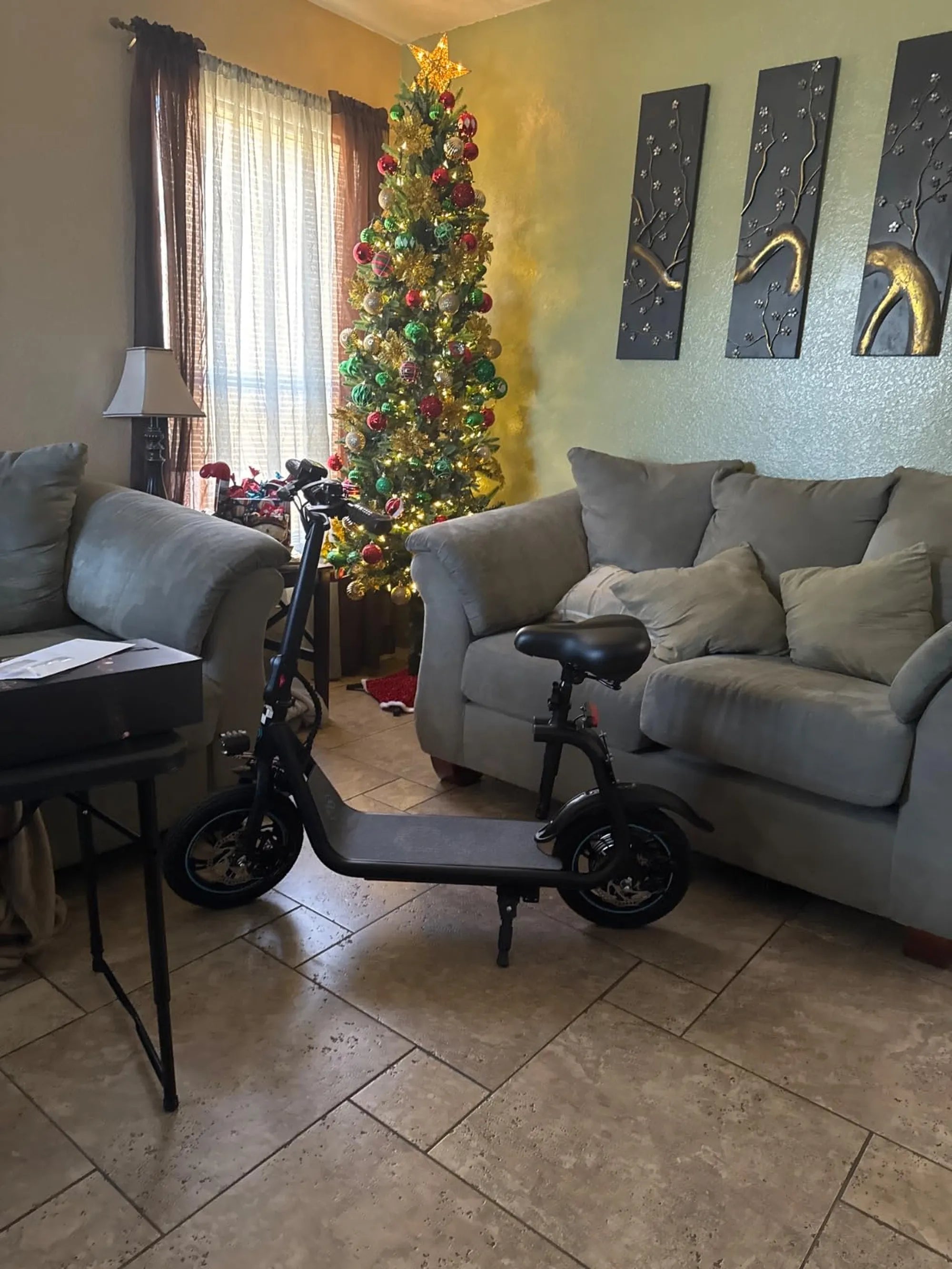
Introduction to Urban Mobility in Lincoln
Lincoln, Nebraska, stands at a transportation crossroads. As the city grows, so do the challenges of congestion, parking scarcity, and environmental impact. The search for efficient, sustainable, and cost-effective personal transit is no longer a niche concern but a mainstream necessity for students, commuters, and residents alike.
Enter the electric scooter. This compact, agile vehicle is rapidly evolving from a recreational toy to a serious mobility solution. It directly addresses Lincoln's urban travel pain points by offering a practical alternative for short to medium-distance trips.
This article will demonstrate why Electric Scooters in Lincoln: The Future of Urban Mobility is not just a slogan but an observable trend. We will provide a comprehensive analysis of the local landscape, regulations, and the critical features to consider when purchasing a scooter that can truly handle daily life in the Capital City.
You will learn how to navigate the city safely, understand the tangible benefits of ownership, and discover how to select a scooter built for reliability in Nebraska's varied climate, ensuring your investment enhances your mobility for years to come.
Why Lincoln is Perfect for Electric Scooters
Lincoln's unique urban fabric creates an exceptionally favorable environment for electric scooter adoption. The city's geography, infrastructure investments, and demographic profile align perfectly with the strengths of personal electric vehicles.
Topographically, Lincoln is predominantly flat, with gentle grades that are easily managed by modern e-scooter motors. This eliminates the range anxiety and performance strain associated with hilly cities, allowing riders to maximize battery efficiency and enjoy consistent performance across most neighborhoods.
The city's commitment to multi-modal transportation is evident in its expanding network of trails and bike lanes. The over 134-mile system of recreational trails, including the popular Jamaica and MoPac trails, and the growing number of on-street bike lanes provide relatively safe, dedicated corridors for scooter riders to commute and explore without competing directly with high-speed automotive traffic.
Furthermore, Lincoln's identity as a major university town, home to the University of Nebraska-Lincoln, means a significant portion of the population is tech-savvy, environmentally conscious, and makes frequent short trips between campuses, downtown, and residential areas—a use case perfectly suited for e-scooters. This demographic, combined with a community-focused drive for green initiatives, fosters a culture ready to embrace innovative transportation solutions.
Navigating Lincoln's Terrain and Infrastructure
Successfully integrating an electric scooter into your Lincoln routine requires understanding the best routes and potential challenges. Strategic route planning can transform your commute from stressful to seamless.
For longer cross-city journeys, prioritize the city's multi-use trails. The Rock Island Trail and the Billy Wolff Trail, for example, offer protected, scenic pathways that connect key areas. When on streets, seek out those with designated bike lanes, which are legally accessible to e-scooters and provide a buffer from vehicle traffic.
Areas of caution include the bustling downtown core and the Historic Haymarket district during peak hours. While these are excellent destinations, riders should be extra vigilant for pedestrians, vehicle doors opening, and dense traffic. A scooter with responsive brakes and good low-speed handling, like models from Gyroor that feature dual braking systems and precise acceleration control, is advantageous here.
For tackling the occasional incline or uneven pavement found on some older residential streets, a scooter's motor power and suspension become critical. A robust motor (350W or higher) ensures consistent power delivery, while front and rear suspension systems absorb vibrations, providing a stable and comfortable ride essential for daily use on Lincoln's varied surfaces.
Understanding Local Regulations and Safety
Operating an electric scooter responsibly in Lincoln requires adherence to local ordinances designed for the safety of all road users. Familiarity with these rules is the foundation of a positive riding experience.
As of the latest ordinances, electric scooters in Lincoln are typically regulated similarly to bicycles. They are generally prohibited on sidewalks in business districts and should be operated in bike lanes or on the roadway when traveling at the speed of traffic. On streets with speed limits above 25-30 mph, using the bike lane or riding as far right as practicable is the standard.
Helmet use is strongly recommended for all riders and is legally required for those under the age of 18. Speed limits for e-scooters on trails and in shared spaces are often posted; a common limit is 15 mph. Always yield to pedestrians, signal your intentions, and avoid riding under the influence of alcohol or drugs.
Proper parking is equally important. Scooters should never block sidewalks, ADA ramps, building entrances, or access lanes. Using a bicycle rack or a designated corral is the best practice. Responsible riding and parking ensure the long-term viability of both private and potential future shared scooter programs in the community.
Choosing the Right Electric Scooter for Lincoln Riders
Selecting an e-scooter is not a one-size-fits-all decision. The ideal model for a UNL student navigating campus differs from that of a commuter traveling from near 84th and O Street to downtown. Your choice should be a direct solution to your specific travel patterns and lifestyle needs.
Key considerations must solve for Lincoln's context: sufficient range for cross-city errands, enough power for bridge inclines and trailhead ramps, portability for multi-modal trips on StarTran buses or for storage in a dorm room, and durability to withstand Great Plains weather. A scooter is an investment in daily freedom, and its specifications should match the reality of your use.
Brands that prioritize engineering and safety offer the best long-term value. Gyroor, a leading electric mobility brand trusted by over 100,000 riders across North America and Europe, designs its scooters with these real-world demands in mind. Their focus on UL-certified battery safety, water-resistant construction, and reliable customer support aligns directly with the needs of a Lincoln resident seeking a dependable vehicle.
Ignoring factors like build quality or warranty can lead to premature failure, especially when facing a Lincoln winter or a sudden summer downpour. The right choice balances performance specs with proven resilience.
Key Feature Comparison: Range, Power & Portability
To make an informed decision, Lincoln riders should evaluate scooters across three interlinked dimensions: how far they can go (range), how well they handle local terrain (power), and how easy they are to live with daily (portability).
Range is the most critical spec for erasing commute anxiety. A realistic assessment is needed because manufacturer ranges are achieved under ideal lab conditions. For Lincoln, a minimum of 10-15 miles of real-world range is advisable for most users. This comfortably covers a round trip from many residential areas to the downtown core or university, with a safety buffer.
Motor power, measured in watts (W), dictates acceleration and hill-climbing ability. For Lincoln's generally flat terrain, a 350W motor is sufficient for most riders. However, for those who encounter more pronounced inclines or who weigh more, a 500W motor provides confident performance and better longevity under regular load.
Portability, defined by weight and foldability, impacts your daily routine. A scooter weighing under 35 lbs is manageable for carrying up a flight of stairs or loading into a car trunk. A secure, one-step folding mechanism is essential for seamless transitions, whether storing it under a desk, in an apartment closet, or taking it on a bus.
| Use Case (Lincoln Example) | Recommended Range | Recommended Motor | Ideal Weight | Key Feature Priority |
|---|---|---|---|---|
| Student (Campus & Downtown) | 10-15 miles | 350W | Under 30 lbs | Portability, Foldability |
| Urban Commuter (e.g., Near South to Haymarket) | 15-25 miles | 350W-500W | 30-40 lbs | Range, Ride Comfort (Suspension) |
| Recreational Explorer (Trail Focus) | 20+ miles | 500W+ | 40-50 lbs | Battery Capacity, Tire Size/Durability |
The Importance of Durability and Warranty
Specifications on paper mean little if a scooter cannot withstand the realities of daily use and Midwestern weather. Durability is not a luxury; it is a requirement for a vehicle that represents a significant purchase.
Lincoln experiences a full range of weather, from hot, humid summers to cold, wet winters with potential snow and road salt. A scooter's ingress protection (IP) rating is crucial. An IPX5 rating, like that found on several Gyroor models, means the scooter is protected against water jets from any direction, making it safe to ride in rain or on wet roads. This protection extends the scooter's lifespan and ensures safe operation in damp conditions.
The battery is the heart of the scooter, and its safety cannot be compromised. Insist on models that use UL-certified battery packs. These have undergone rigorous independent testing for safety, performance, and longevity, often rated for 500+ charge cycles, which translates to years of reliable service. Non-certified batteries pose significant fire risks and degrade rapidly.
A strong warranty is the manufacturer's vote of confidence in its product. A comprehensive 1-year warranty that covers the frame, motor, battery, and electronic components provides essential peace of mind. It signals that the company, like Gyroor with its US-based support team, stands behind its engineering and is committed to ensuring your mobility solution remains operational, protecting your investment against unforeseen defects.
The Practical Benefits: Cost, Convenience, and Community
The adoption of an electric scooter in Lincoln delivers measurable advantages that extend beyond the simple joy of riding. The impact is felt in your wallet, your daily schedule, and the local environment.
From a cost perspective, the savings compared to car ownership are substantial. Eliminate recurring expenses like fuel, parking fees (particularly relevant in downtown Lincoln and near UNL), insurance premiums, and costly maintenance. The electricity required to charge a scooter's battery costs mere cents per charge. Over a year, these savings can amount to hundreds, if not thousands, of dollars, rapidly offsetting the scooter's initial purchase price.
Convenience is transformative. Electric scooters excel at solving the "last-mile" problem, seamlessly connecting your home to bus stops, parking garages, or final destinations. They allow you to bypass traffic congestion, especially during peak hours on arteries like O Street or during game days. Finding parking becomes a non-issue, as a scooter can be securely locked to any standard bicycle rack.
On a community level, every e-scooter trip represents a reduction in vehicle emissions, contributing to cleaner air in Lincoln. It reduces traffic density and noise pollution. Furthermore, as more people choose micro-mobility, it supports local businesses by making downtown and district centers more accessible and pedestrian-friendly, fostering a healthier, more connected urban community.
Frequently Asked Questions (FAQs) for Lincoln Residents
Q: Are electric scooters legal on Lincoln sidewalks?
A: Generally, no. Lincoln ordinances typically prohibit the operation of electric scooters on sidewalks within business districts. They are intended to be ridden in bike lanes or on the roadway, following the same rules as bicycles. Always ride respectfully and yield to pedestrians.
Q: What's a realistic range for getting around Lincoln?
A: For most intra-city travel, 10-15 miles of real-world range is highly practical. For example, this could cover a round trip from the UNL City Campus to the Gateway Mall area. Remember, factors like rider weight, terrain, temperature, and riding speed will affect actual range. Always choose a scooter with a range rating that exceeds your typical daily distance.
Q: How do I handle an electric scooter in Lincoln's winter?
A: Winter riding requires extra caution. Use a scooter with good water resistance (IPX5 or higher). Avoid riding on ice or snow. After riding on wet or salted roads, wipe down your scooter to prevent corrosion. Store the scooter and its battery indoors at room temperature, as extreme cold permanently reduces battery capacity. Allow a cold battery to warm up before charging.
Q: Where can I ride my e-scooter? Are trails allowed?
A: Yes, Lincoln's extensive network of multi-use recreational trails, such as the Jamaica and MoPac trails, are excellent for e-scooter use. Always observe posted speed limits (often 15 mph), announce yourself when passing, and yield to pedestrians and slower traffic. Trails offer a safe, scenic, and direct route across much of the city.
Q: Where can I get my Gyroor scooter serviced in Lincoln?
A: Gyroor provides robust customer support for its products. For warranty claims or technical support, you can contact their US-based service team directly. For routine maintenance like tire changes, brake adjustments, or bolt tightening, many local bicycle shops are equipped and willing to work on electric scooters. It's always best to call a shop in advance to confirm they service your specific model.
Conclusion: Embracing a Smarter Way to Move in Lincoln
The evidence is compelling: electric scooters represent a logical, efficient, and sustainable evolution in personal transportation for Lincoln. They are a direct solution to the city's specific mobility challenges, leveraging its flat terrain, growing trail network, and forward-thinking community ethos.
Choosing the right scooter—one that balances necessary range, reliable power, and, crucially, durable construction backed by a strong warranty—is key to unlocking these benefits long-term. It transforms the scooter from a novelty into a dependable daily tool that saves money, time, and stress.
As Lincoln continues to grow and evolve, integrating smart micro-mobility options like Electric Scooters in Lincoln: The Future of Urban Mobility will be essential for maintaining accessibility, reducing congestion, and promoting a high quality of life. The future of getting around the Star City is efficient, enjoyable, and electric.
Ready to explore Lincoln on two wheels? Discover a range of durable, high-performance electric scooters engineered for real-world conditions. Browse the full Gyroor collection at gyroorboard.com and find the perfect ride to revolutionize your commute and city exploration.
Electric Scooters in Riverside: The Future of Urban Mobility
Lightest Electric Scooters 2025: The Ultimate Guide to Portable Urban Commuting