


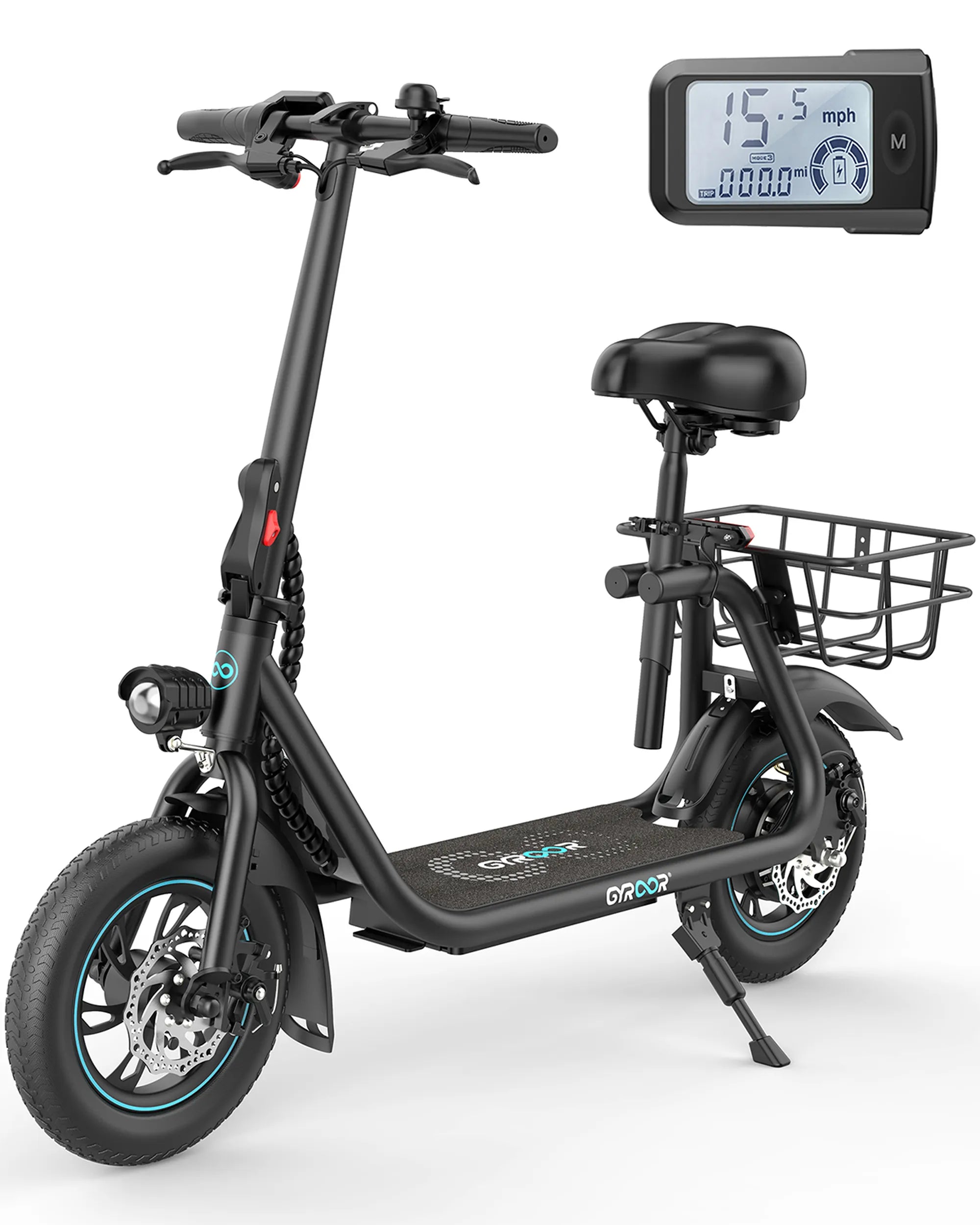
Electric scooters have swiftly become a staple of urban transportation, offering a convenient, eco-friendly, and cost-effective way to navigate crowded city streets. But as their popularity soars, so do the challenges they face—particularly at intersections. These bustling hubs of activity are where the promise of electric scooters meets the complexities of urban infrastructure, safety concerns, and regulatory hurdles. How can riders, city planners, and policymakers work together to ensure a smooth ride ahead?
The Rise of Electric Scooters in Urban Landscapes
Electric scooters have exploded onto the scene, providing a nimble alternative to cars and public transit. Their compact design and zero emissions make them an attractive option for short-distance travel, reducing traffic congestion and carbon footprints. Cities worldwide have embraced them as part of shared mobility programs, but their rapid adoption has also highlighted gaps in infrastructure and safety protocols.
Intersections: The Critical Juncture for Electric Scooters
Intersections are where the rubber meets the road—literally and figuratively—for electric scooters. These high-traffic areas pose unique challenges:
- Safety Risks: Scooter riders often share space with pedestrians, cyclists, and vehicles, increasing the likelihood of accidents.
- Visibility Issues: Scooters' small size can make them hard to spot, especially in busy intersections.
- Regulatory Gaps: Many cities lack clear rules for scooter riders at intersections, leading to confusion and conflicts.
Innovations and Solutions for Safer Intersections
To address these challenges, cities and tech innovators are exploring solutions:
- Smart Infrastructure: Traffic lights and sensors designed to detect scooters can improve flow and safety.
- Dedicated Lanes: Separated bike and scooter lanes reduce interactions with cars and pedestrians.
- Education Campaigns: Teaching riders and drivers how to share the road can prevent accidents.
The Future of Electric Scooters at Intersections
As electric scooters continue to evolve, so will the strategies for integrating them into urban landscapes. Advances in AI, connectivity, and urban planning could transform intersections into seamless, safe passages for all road users. The key lies in collaboration—between riders, cities, and technology providers—to create a future where electric scooters are not just a trend but a sustainable part of urban mobility.
The intersection of electric scooters and urban life is more than just a crossing point—it's a glimpse into the future of transportation. With the right mix of innovation, regulation, and public awareness, we can ensure that this future is both efficient and safe. Are you ready to ride into it?
Electric Scooters Are They Any Good? A Comprehensive Guide
Can You Ride an Electric Scooter in Victoria? Here’s What You Need to Know