


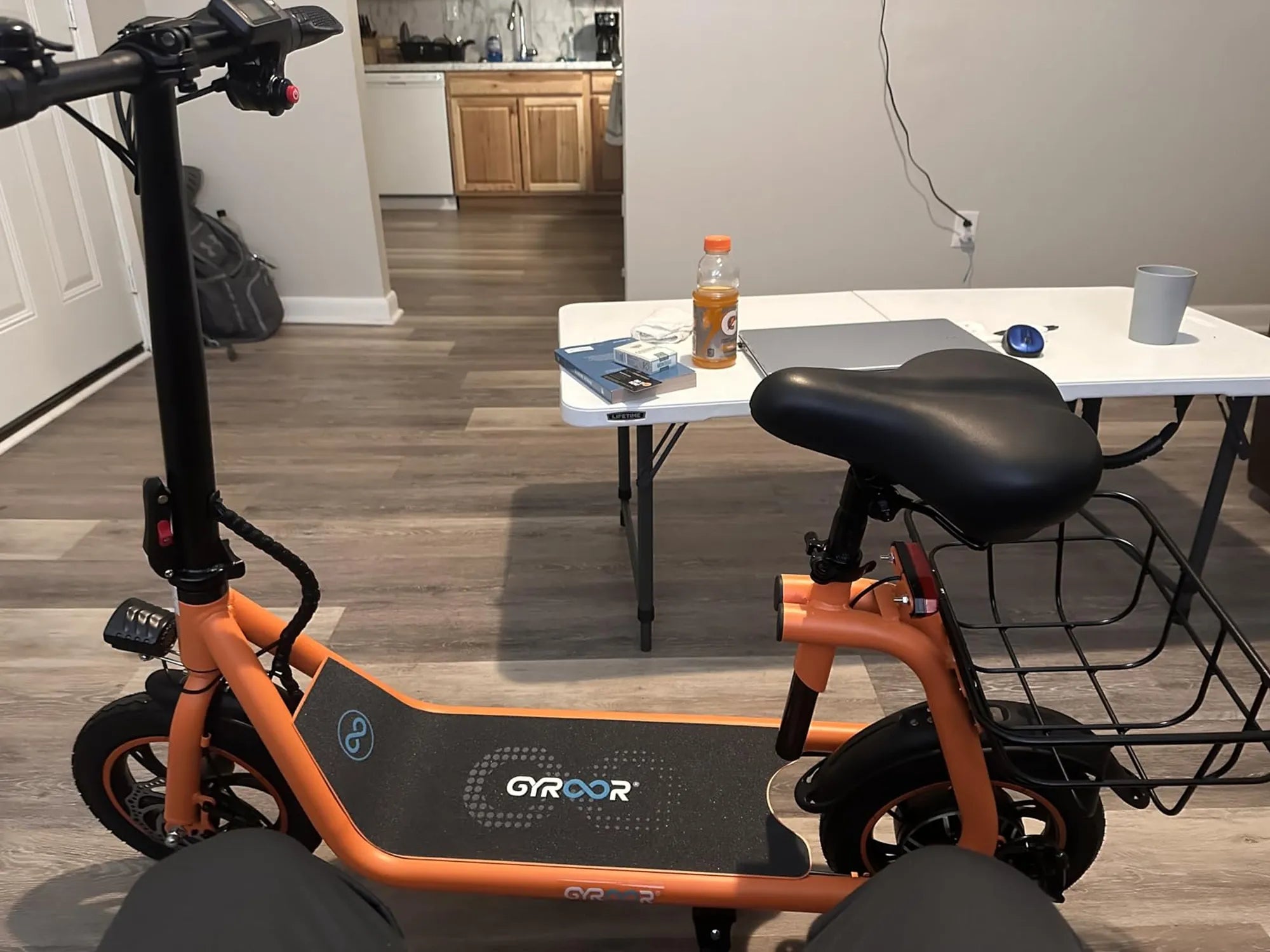
Imagine zipping across campus on a sleek, silent electric scooter, bypassing traffic and parking hassles while reducing your carbon footprint. Electric scooters on college campuses are no longer a futuristic fantasy—they're the present reality, transforming how students navigate their academic lives.
The Rise of Electric Scooters in Higher Education
College campuses have become ground zero for the electric scooter revolution. With sprawling grounds, limited parking, and environmentally conscious student populations, universities provide the perfect ecosystem for this micromobility solution. Students are embracing electric scooters as their preferred mode of transportation, creating a cultural shift in campus mobility patterns.
Why Students Love Electric Scooters
The appeal of electric scooters among college students is multifaceted:
- Time Efficiency: Cutting across campus in minutes instead of walking for 20-30 minutes
- Cost Effective: More affordable than maintaining a car or even a bicycle in many cases
- Parking Simplicity: No need to hunt for scarce parking spots or pay for permits
- Environmental Benefits: Zero emissions transportation aligns with student sustainability values
- Fun Factor: Adds an element of enjoyment to daily campus commutes
The Infrastructure Challenge
While electric scooters offer numerous benefits, their rapid adoption has created infrastructure challenges for many campuses:
Charging Stations: Campuses are scrambling to install adequate charging infrastructure to support the growing number of personal electric scooters.
Parking and Storage: Improperly parked scooters can create hazards, leading many schools to implement designated parking zones.
Safety Regulations: Universities are developing policies regarding speed limits, helmet requirements, and restricted areas for scooter use.
Safety Considerations for Campus Scooter Use
As electric scooters become ubiquitous on college campuses, safety remains a paramount concern:
- Many campuses now require safety training for first-time riders
- Some schools mandate helmet use, especially for shared scooter programs
- Nighttime visibility has become a focus, with reflective gear and lights being encouraged
- Universities are creating dedicated scooter lanes to separate riders from pedestrians
The Environmental Impact of Campus Scooters
Electric scooters are making significant contributions to campus sustainability efforts:
By replacing car trips, even short ones, electric scooters help reduce the carbon footprint of campus communities. Many universities are tracking these environmental benefits as part of their broader sustainability initiatives.
The shift to electric scooters also supports universities' goals to become carbon neutral, with some institutions offering incentives for students who choose micromobility options over traditional transportation methods.
The Future of Electric Scooters on Campus
As technology advances, we can expect to see:
- Smart scooters with campus-specific navigation systems
- Integration with university transit apps
- Improved battery technology for longer range
- More robust sharing programs that complement personal ownership
- Enhanced safety features like automatic speed reduction in pedestrian-heavy zones
From freshman orientation to graduation day, electric scooters are changing the college experience. As campuses continue to adapt to this transportation revolution, one thing is clear—the electric scooter has secured its place as an essential tool for modern student life, blending convenience, sustainability, and a touch of youthful excitement into every campus commute.
Can You Ride Electric Scooters After OWI? What You Need to Know
What Is the Best Electric Scooter You Can Buy: A Comprehensive Guide