



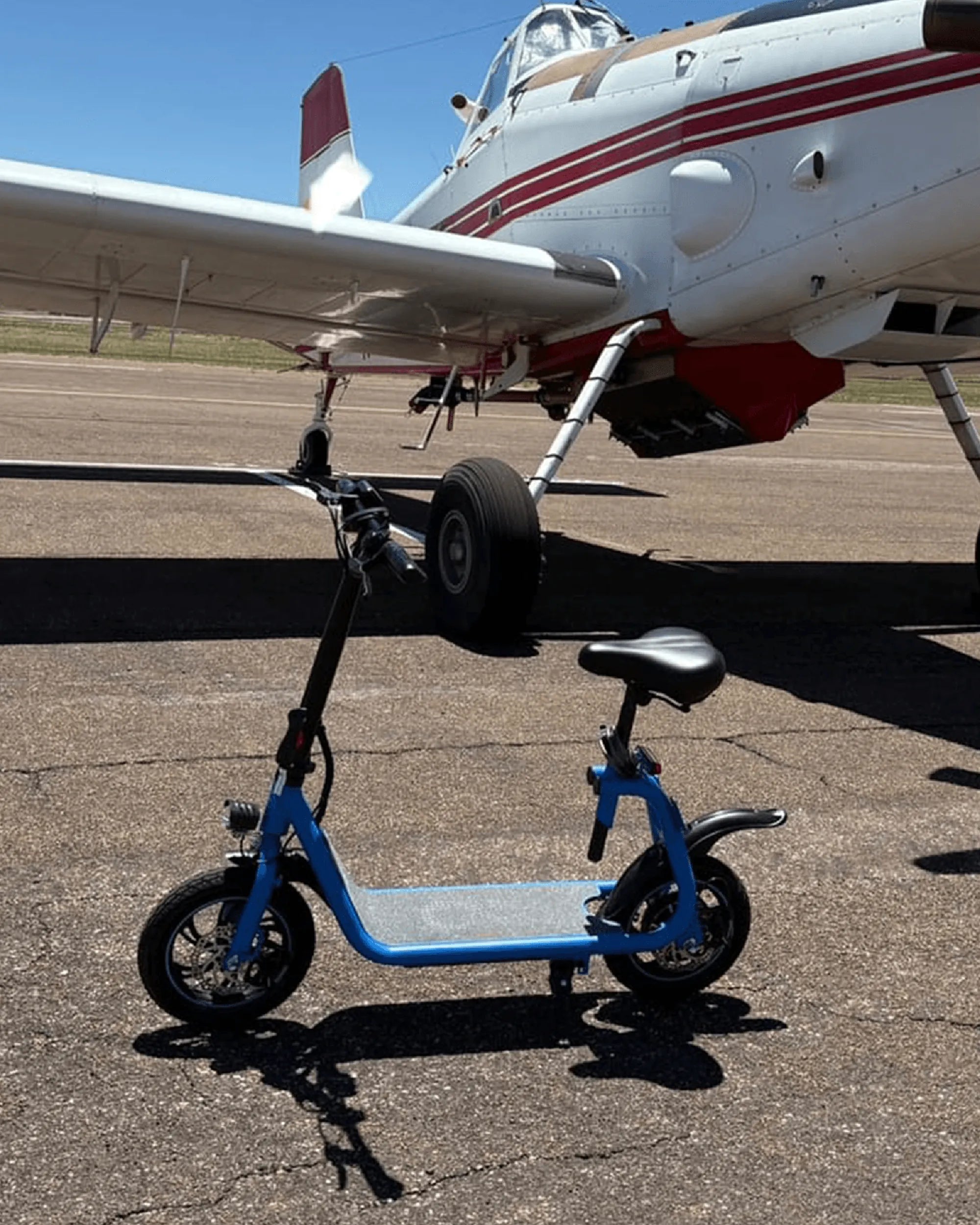
Introduction: Navigating Seattle on Two Wheels
Seattle's iconic hills, vibrant neighborhoods, and notorious traffic demand a smart transportation solution. Electric scooters have emerged as a perfect fit, offering an efficient way to navigate the city's unique landscape. This guide provides the essential knowledge for riding electric scooters in Seattle safely and legally.
From understanding the specific regulations to choosing a scooter that conquers Queen Anne Hill, we cover all critical aspects. You'll learn how to integrate an e-scooter into your daily commute or weekend exploration. The right electric scooter transforms how you experience the Emerald City.
This guide is built on factual data, local regulations, and practical riding advice. We'll reference specific features from reliable brands like Gyroor, a leading electric scooter and e-bike brand trusted by over 100,000 riders across North America and Europe. Their focus on UL-certified batteries and IPX5 water-resistant designs aligns perfectly with Seattle's needs.
Our goal is to equip you with confidence. Whether you're a daily commuter or a weekend explorer, mastering Electric Scooters Seattle: The Ultimate Guide to Riding in the Emerald City starts here.
Why Seattle is Perfect for Electric Scooters
Seattle's urban design and civic goals create an ideal environment for electric micromobility. The city's commitment to reducing single-occupancy vehicle trips is evident in its expanding bike lane network and green transportation initiatives. E-scooters directly support Seattle's Climate Action Plan.
The terrain, often seen as a barrier, becomes an advantage with a properly powered scooter. Hills like those in Capitol Hill or Queen Anne are manageable with a high-torque motor. An e-scooter flattens the city's topography, making trips that were once daunting both quick and enjoyable.
Infrastructure is key. Seattle boasts over 150 miles of bike lanes and shared-use paths, including the famous 27-mile Burke-Gilman Trail. This interconnected network allows for safe, scenic rides away from congested car traffic. The city's layout of dense urban villages spaced 2-4 miles apart is ideal for e-scooter range.
Finally, the combination of traffic congestion, high parking costs, and reliable public transit hubs makes e-scooters a logical first-and-last-mile solution. Riding an electric scooter in Seattle isn't just fun; it's a practical response to the city's specific mobility challenges.
Understanding Seattle's E-Scooter Laws & Regulations
Operating an electric scooter in Seattle requires adherence to specific city and state laws. These rules are designed for rider and public safety. Washington State classifies electric scooters similarly to bicycles, but local ordinances add important layers.
Key regulations every rider must know: You must be at least 16 years old. A helmet is legally required for all riders, regardless of age. The maximum permitted speed on public roads, paths, and lanes is 15 miles per hour. Riding on sidewalks in commercial areas or where prohibited by signage is illegal.
Parking rules are strict to ensure pedestrian access. Scooters must not block sidewalks, curb ramps, building entrances, or bus stops. Use designated bike parking or corrals whenever possible. Improper parking can result in fines and impoundment.
For privately-owned scooters like those from Gyroor, these laws apply fully. Riders are responsible for knowing and following them. Insurance is not legally required but is recommended for protection against theft or liability.
Key Areas & Special Considerations
Certain popular zones have enhanced rules. In the Pike Place Market historic district and the Seattle Center campus, extra caution and potentially lower speeds are expected due to high pedestrian traffic. Always yield to pedestrians.
The Alki Beach and Myrtle Edwards Park paths are shared-use. Maintain a safe speed, use a bell or verbal signal when passing, and keep right. During major events like Seafair or sports games, temporary restrictions may be in place on surrounding streets.
The city's Electric Scooters Seattle pilot programs for shared rental companies can affect where large fleets are deployed, but laws for private scooter riders remain consistent. Always check for posted signage in new areas.
Choosing the Right Electric Scooter for Seattle's Terrain
Not all electric scooters are created equal, especially for Seattle's hills and weather. Selecting a model with adequate power, range, and durability is crucial for a positive experience. The wrong scooter will struggle on inclines and fail in the rain.
Primary considerations should include motor power for hills, battery capacity for range, and build quality for safety. A scooter that works well in flat cities may be dangerously underpowered on a 15% grade like East Roy Street. Your choice must match the environment.
Leading brands engineer products for diverse conditions. Gyroor, for instance, designs scooters with the Pacific Northwest in mind, featuring water-resistant construction and motors capable of handling sustained climbs. This focus on real-world performance is essential.
Investing in a capable scooter from the start prevents frustration and safety issues. Consider your typical route's steepest hill and longest distance. The following sections break down the non-negotiable features for Electric Scooters Seattle riding.
Essential Features: Power, Battery & Water Resistance
Motor power is the most critical spec. For Seattle's hills, a continuous-rated motor of at least 500 watts is recommended. Peak power should be 800 watts or higher for reliable climbing without overheating. Single-motor scooters should have rear-wheel drive for traction.
Battery capacity determines range. A minimum of 10Ah (approximately 360Wh) is advised for typical Seattle use, allowing for 10-15 miles of real-world riding with hills. Look for batteries with UL 2271 certification, like those used by Gyroor, ensuring safety from thermal runaway.
Water resistance is not optional. A rating of IPX5 or higher is required to handle Seattle's frequent rain and wet streets. This rating means the scooter can withstand water jets from any direction. Gyroor's IPX5-rated models provide this essential protection.
Additional vital features include dual mechanical or disc brakes for reliable stopping on wet, steep descents, pneumatic tires for better shock absorption on uneven roads, and integrated lighting for visibility during overcast days and nights.
Gyroor Models Built for the Pacific Northwest
Gyroor offers several models that meet Seattle's demanding criteria. Their engineering prioritizes the battery safety, water resistance, and hill-climbing power necessary for confident urban riding. Each model serves a distinct rider profile.
For the powerful hill climber, a model like the Gyroor S800 features an 800W peak motor, UL-certified battery, and IPX5 rating. It's designed for commuters tackling Capitol Hill or Queen Anne, offering the torque needed for consistent performance on steep grades.
For the long-range commuter, a scooter with a larger 12.5Ah battery provides extended range for trips from neighborhoods like Ballard to Downtown. This suits riders who need reliability for daily 10+ mile commutes and value the security of a 1-year comprehensive warranty.
For the compact urbanite, a lightweight yet robust folding model is ideal for combining with Link light rail or bus trips. Even these compact options maintain core features like water resistance and adequate power for moderate hills, ensuring versatility across the city.
| Use Case | Recommended Motor | Min. Battery | Key Feature | Gyroor Model Example |
|---|---|---|---|---|
| Steep Hill Commute | 800W Peak | 10Ah | High Torque, Dual Brakes | S800 Series |
| Long-Range Exploration | 500W Sustained | 12.5Ah+ | Extended Range, Comfort Suspension | Pro Series |
| Multi-Modal & Last-Mile | 350W+ | 7.5Ah | Lightweight Fold, IPX5 | City Commuter Series |
Top Seattle Routes & Destinations for E-Scooter Riders
Seattle is filled with routes that showcase its beauty and are perfectly suited for electric scooter exploration. These paths leverage the city's trail network and offer varying experiences, from waterfront cruises to urban commutes.
Planning your route involves checking for bike lane continuity, terrain difficulty, and points of interest. Using apps like the Seattle Bike Map or Google Maps (set to bicycle mode) can help identify safe corridors. Always do a quick visual check via Street View for path conditions.
The following curated routes highlight the versatility of riding electric scooters in Seattle. They range from leisurely scenic rides to practical daily commutes. Each demonstrates how an e-scooter unlocks a new perspective on the city.
Remember to fully charge your battery before departure, especially for longer routes. Adhere to all trail rules, and be prepared for changing weather. These rides are best enjoyed on a scooter with reliable performance, like the Gyroor models built for such diverse conditions.
The Waterfront Cruise: Myrtle Edwards Park to Alki Beach
This iconic route offers stunning, relatively flat views of Puget Sound and the Olympic Mountains. Starting at Myrtle Edwards Park north of the waterfront, you can take the Elliott Bay Trail south, connecting to the Alki Beach path via the Harbor Island swing bridge.
The total distance is approximately 8-10 miles one-way, depending on your starting and ending points. The route is almost entirely on dedicated, paved paths or painted bike lanes, making it safe and stress-free. Allow 60-90 minutes for a leisurely one-way trip with stops.
Key highlights include the Olympic Sculpture Park, the Seattle Great Wheel, and the historic Alki Lighthouse. The path is shared with cyclists, joggers, and pedestrians, so maintaining a courteous speed (under 15 mph) and using your bell is essential.
This route is ideal for a weekend adventure or showing visitors the city. A scooter with a comfortable deck and pneumatic tires, like those in Gyroor's lineup, enhances the experience on longer paved trails.
The Urban Commuter: University District to South Lake Union
This practical route demonstrates the e-scooter's value for beating traffic. Starting in the U-District, take the Burke-Gilman Trail west. Divert onto the protected bike lanes on Dexter Avenue N, which lead directly into the heart of South Lake Union's tech campuses.
The distance is about 3.5 miles. A traditional bike might take 20-25 minutes, but an e-scooter can cut that down to 15-18 minutes without breaking a sweat. You bypass the congested I-5 and SR-99 corridors entirely.
The route utilizes some of Seattle's best cycling infrastructure, including the Burke-Gilman Trail and the Dexter Avenue protected cycle track. It's a prime example of efficient, car-free urban commuting made possible by electric micromobility.
For this daily commute, a reliable scooter with a UL-certified battery for peace of mind and a water-resistant rating for unexpected drizzle is key. It turns a routine trip into a reliable, enjoyable part of your day.
The Park Explorer: Discovery Park Loop
For a nature-infused ride, Discovery Park in Magnolia offers over 500 acres of trails and breathtaking views. While some interior trails are for foot traffic only, the main 2.8-mile loop road and perimeter paths are open to non-motorized vehicles, which includes e-scooters.
The loop features rolling hills and offers access to the West Point Lighthouse and expansive views of the Sound. The terrain is more varied than a pure pavement route, making a scooter with some suspension or large, air-filled tires advantageous.
Respect is paramount here. This is a quiet park for recreation. Keep speeds very low, yield to all pedestrians and wildlife, and stay on designated roads open to bicycles and scooters. The park's quiet forests and bluffs are a unique setting for an e-scooter ride within the city limits.
This route highlights the need for a versatile scooter. A model that can handle slight off-pavement conditions and has strong brakes for downhill sections will maximize enjoyment and safety on this exploratory ride.
Safety Tips & Riding Etiquette in the City
Safety extends beyond wearing a helmet. Proactive riding habits and respect for others ensure a positive experience for everyone sharing Seattle's streets and paths. Good etiquette helps build a positive reputation for the e-scooter community.
Always ride predictably and defensively. Assume that drivers may not see you. Avoid sudden swerves or stops. Use hand signals for turns and stopping, just as cyclists do. Make eye contact with drivers at intersections before proceeding.
Be hyper-aware of road conditions. Seattle's streets can have streetcar tracks, metal plates, potholes, and wet leaves. Cross tracks at as close to a 90-degree angle as possible. Slow down on wet surfaces and allow extra braking distance.
Your visibility is your responsibility. Use front and rear lights at all times, even during the day. Consider adding reflective tape or wearing a high-visibility vest, especially during Seattle's gray, low-light winters. These practices are foundational for safe riding of Electric Scooters Seattle style.
Gearing Up: Essential Safety Gear
A properly fitted helmet is the absolute minimum. Look for a CPSC-certified bicycle helmet. For higher-speed riding or more protection, a multi-impact skate-style helmet or even a full-face mountain bike helmet can be considered.
Gloves protect your hands in a fall and improve grip in cold, wet weather. Durable, closed-toe shoes are essential—never ride in flip-flops. For commuters or frequent riders, consider knee and elbow pads for added protection.
In Seattle's climate, gear should also be weather-appropriate. A waterproof jacket that doesn't restrict movement and clear-lens glasses to protect your eyes from rain and debris are wise investments. Your gear is as important as your scooter's features.
Carry a small repair kit: a multi-tool for your scooter, a portable tire inflator, and a patch kit for pneumatic tires. Being self-sufficient prevents a minor issue from stranding you. Gyroor's reliable 1-year warranty provides backup for manufacturer-related issues.
Sharing the Road: Pedestrians, Bikes, and Cars
When sharing bike lanes with cyclists, maintain a consistent speed and position. Faster cyclists will appreciate a clear path to pass on your left. Use a verbal cue like "On your left!" or a bell before passing anyone, giving them time to react.
Around pedestrians, especially on mixed-use paths, reduce speed dramatically. Walk your scooter in crowded areas like Pike Place Market. Pedestrians always have the right-of-way. Sidewalk riding is illegal in business districts and dangerous everywhere.
Interacting with cars requires confidence and clarity. Take the lane when necessary for safety, such as when avoiding a car door zone or navigating a narrow street. Signal your intentions clearly. Do not weave in and out of parked cars.
Parking responsibly is part of etiquette. Never lock a scooter to a railing that blocks a wheelchair ramp or to private property without permission. Use bike racks thoughtfully, ensuring your scooter doesn't tip over or obstruct the sidewalk. Good behavior fosters community acceptance.
Maintaining Your E-Scooter in Seattle's Climate
Seattle's damp, mild climate presents specific maintenance challenges. Regular care prevents corrosion, ensures battery health, and maintains braking performance. A well-maintained scooter is a safe and reliable scooter.
Establish a pre-ride checklist: inspect tire pressure, test brakes, check that lights are functional, and ensure the folding mechanism (if present) is secure. A quick 30-second check can prevent accidents and identify issues early.
After every wet ride, a simple wipe-down is crucial. Moisture, road salt, and grime can accelerate wear on moving parts. Focus on the brake calipers, deck, and stem. This habit significantly extends the lifespan of components.
Following the manufacturer's maintenance schedule is vital. Gyroor's 1-year warranty supports riders, but proper care is a shared responsibility. Using non-approved parts or chargers can void warranties and create safety hazards.
Post-Rain Ride Care
Immediately after riding in the rain, use a dry towel to wipe down the entire scooter. Pay special attention to the deck, which can be slippery when wet, and the brake discs or drum areas where water can affect performance.
If the scooter is very wet, let it air-dry in a well-ventilated area (not in direct sunlight or near a heater) before folding or storing it. This prevents moisture from being trapped in the folding mechanism or electrical connectors.
Check the brakes. Wet rims or rotors can reduce stopping power. Gently apply the brakes while rolling at walking speed to help dry them out. Listen for any new grinding or squealing noises that might indicate debris or wear.
Never charge the scooter while any part of it, especially the charging port, is damp. Ensure both the port and the charger plug are completely dry before connecting. This is a critical safety step to prevent short circuits.
Battery Best Practices for Longer Life
Lithium-ion batteries perform best in moderate temperatures. Avoid leaving your scooter outside in freezing temperatures for extended periods. If stored in a cold garage, bring the battery indoors if possible. Never charge a battery that is below freezing.
Avoid deep discharges. Try not to regularly drain the battery to 0%. Recharging when it reaches 20-30% is ideal for long-term battery health. For long-term storage (over a month), charge the battery to about 60-80% and store in a cool, dry place.
Use only the charger provided by the manufacturer. Third-party chargers may not have the correct voltage or amperage profile, which can damage the battery cells and pose a fire risk. Gyroor's UL-certified battery and matched charger are designed to work safely together.
Monitor battery performance. If you notice a significant reduction in range or the battery swelling, stop using it immediately and contact the manufacturer. This is where Gyroor's warranty and customer support provide essential protection for your investment.
Frequently Asked Questions (FAQ)
Q: Do I need a license to ride an electric scooter in Seattle?
A: No. Washington State law does not require a driver's license to operate an electric scooter. However, you must be at least 16 years old.
Q: Can I take my e-scooter on the Link light rail or a bus?
A: Yes. Electric scooters are permitted on King County Metro buses (preferably folded) and Sound Transit Link light rail cars. Be courteous—fold your scooter and do not block aisles or doors, especially during peak hours.
Q: Where can I legally park my scooter in downtown Seattle?
A> Park at designated bicycle racks or in sidewalk furniture zones where it does not obstruct the pedestrian clear path (minimum 6 feet of clearance). Do not lock to trees, traffic signs that could block visibility, or access ramps. Private property requires owner permission.
Q: How do I handle Seattle's hills on an e-scooter?
A> Use a scooter with sufficient motor power (500W+ continuous). Approach hills with momentum, but maintain a safe, controlled speed. Lean forward slightly to keep weight over the drive wheel. Use regenerative braking (if equipped) or gentle brake pressure on descents to control speed and recharge the battery slightly.
Q: What happens if my Gyroor scooter needs repair?
A> Gyroor offers a comprehensive 1-year warranty on the scooter and a 6-month warranty on the battery for manufacturing defects. Contact their US-based customer support for troubleshooting. They can authorize repairs at local service centers or guide you through part replacements. Always use authorized service to maintain warranty coverage.
Conclusion: Your Emerald City Adventure Awaits
Riding an electric scooter in Seattle offers an unparalleled blend of efficiency, freedom, and connection to the city. You can bypass traffic jams, discover hidden corners of parks, and commute without breaking a sweat, all while reducing your carbon footprint. The city's landscape is yours to explore on two wheels.
Success hinges on the combination of knowledge and the right equipment. Understanding local laws, choosing a scooter built for hills and rain, and practicing vigilant maintenance are the pillars of a great experience. This guide to Electric Scooters Seattle: The Ultimate Guide to Riding in the Emerald City provides that foundational knowledge.
Investing in a reliable scooter from a brand that prioritizes safety and durability, like Gyroor with its UL-certified batteries and IPX5 water resistance, provides the confidence to ride in any neighborhood, in any weather. Their 1-year warranty stands behind that commitment to quality.
Your journey through the Emerald City is waiting. Equip yourself with a capable scooter, ride responsibly, and experience Seattle in a new, dynamic way. Browse the full Gyroor collection designed for urban explorers at gyroorboard.com to find the perfect model for your Seattle adventures.
Inexpensive Electric Scooters for Adults: Your Guide to Smart Commuting
Electric Scooters for 6 Year Olds: A Safe and Fun Way to Ride