



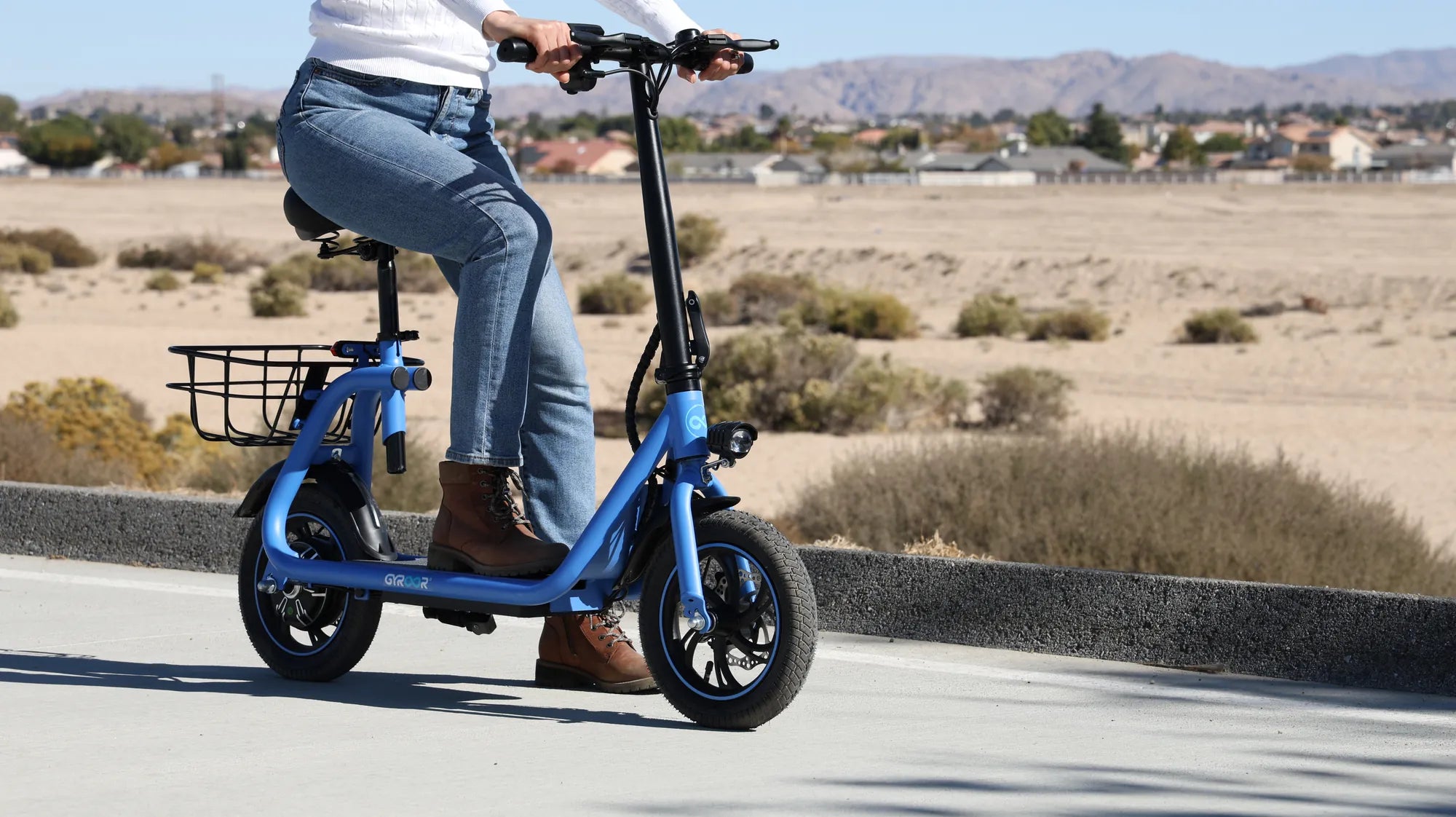
For riders and prospective buyers, the question of electric scooters speed—how fast can they really go?—is often the first and most critical. It's a query that balances practicality with thrill, defining commute times, safety parameters, and the overall riding experience. But the advertised top speed is just one part of a complex equation involving engineering, environment, and regulation. This comprehensive guide moves beyond the marketing numbers to examine the real-world mechanics of scooter velocity, the factors that govern it, and the crucial considerations every rider must understand before chasing higher speeds.
Understanding Electric Scooter Speed: Key Factors at Play
A scooter's maximum velocity isn't a random number; it's the product of several interacting systems. Understanding these components is essential to interpreting performance claims and setting realistic expectations. The interplay between power, energy storage, and physical design dictates not just how fast a scooter can go, but how well it maintains that speed under real conditions.
Motor Power and Wattage: The Engine of Speed
Motor wattage, expressed in watts (W), is the primary engine of speed. A higher wattage typically correlates with greater potential top speed and acceleration. Common ratings range from 250W for basic models to 2000W or more for high-performance machines. It's crucial to distinguish between nominal (continuous) power and peak power. A 500W nominal motor can handle that load indefinitely, but may surge to 800W peak for short bursts during acceleration or climbing hills.
Motor type also influences performance. Hub motors, integrated into the wheel, are common and efficient for direct drive. Some advanced models feature dual hub motors, effectively doubling power output for exceptional torque and top-end speed. The quality of motor construction impacts heat dissipation and longevity, especially when consistently operated at high speeds.
Battery Voltage and Capacity: Sustaining the Pace
If the motor is the engine, the battery is the fuel system. Voltage (V) acts like water pressure in a pipe—higher voltage (e.g., 48V vs. 36V) allows the motor to draw more power, enabling higher top speeds. Capacity, measured in amp-hours (Ah) or watt-hours (Wh), determines the size of the "fuel tank." While capacity primarily affects range, a larger battery can sustain high-speed performance for longer before voltage sags under load, which causes speed to drop.
Battery management systems (BMS) and cell quality are paramount. A high-quality BMS ensures safe discharge rates at high speeds and protects against overloading. Brands like Gyroor utilize UL-certified battery packs, which undergo rigorous testing for stability across hundreds of charge cycles. This certification is a critical safety benchmark, ensuring consistent power delivery and reducing risks associated with pushing a scooter to its speed limits.
Scooter Design: Weight, Tires, and Aerodynamics
Physics plays a direct role. Total weight—rider plus scooter—is a major speed limiter. A heavier load requires more power to accelerate and maintain speed, especially on inclines. Scooter frame weight itself matters; lighter aluminum alloys improve the power-to-weight ratio.
Tire size, type, and inflation are critical. Larger, air-filled (pneumatic) tires generally offer lower rolling resistance and better top-speed potential compared to smaller, solid tires. Proper inflation is non-negotiable for efficiency. Aerodynamics, though less pronounced than on a vehicle, still matter; a rider's upright posture creates significant wind resistance that increases exponentially with speed, making high-speed riding more taxing on the battery.
The Speed Spectrum: Classifying Electric Scooters by Performance
Electric scooters can be effectively categorized by their intended use and performance envelope. This classification helps align rider expectations with model capabilities and typical legal frameworks. The following table provides a clear overview of these categories.
| Class | Typical Top Speed | Motor Power Range | Primary Use Case | Key Features |
|---|---|---|---|---|
| Entry-Level / Last-Mile | 10 - 15 mph | 250W - 350W | Short trips, public transport linkage | Lightweight, folding, basic braking |
| Commuter & Urban | 15 - 20 mph | 350W - 500W | Daily city commuting | Good range, better suspension, electronic brakes |
| Performance / Pro Commuter | 20 - 30 mph | 500W - 1000W | Faster commuting, recreational riding | Dual braking, suspension, larger tires |
| High-Performance / Off-Road | 30 - 45+ mph | 1000W - 2000W+ (often dual motor) | Off-road trails, high-speed enthusiasts | Dual motors, long-range batteries, advanced suspension, rugged build |
Commuter & Urban Models (15-20 mph)
This is the most popular category, striking a balance between speed, portability, and legality. Scooters in this range, such as the Gyroor Z8, are designed for efficient daily urban travel. They typically feature 350W to 500W motors, sufficient for navigating city streets and moderate hills while keeping weight manageable.
Speed here aligns with many municipal e-scooter regulations, which often cap speeds at 15 or 20 mph in bike lanes. These models prioritize reliability and practical features like IPX5 water resistance—a standard in Gyroor's lineup—which protects critical components from rain and road splash, ensuring consistent performance in all weather conditions. The focus is on a safe, efficient, and dependable commute rather than outright velocity.
Performance & Pro Models (20-30+ mph)
For riders with longer commutes or a desire for more dynamic riding, performance scooters deliver enhanced capability. Motors from 500W to 1000W provide brisk acceleration and the ability to tackle steeper gradients. Stability becomes paramount at these speeds, necessitating features like dual braking systems (disc + electronic), front and rear suspension, and wider decks.
Build quality is critical. A robust frame, reliable wiring, and secure connectors must handle the increased vibrational and electrical loads. Brands engineering for this market, like Gyroor with its high-torque motor systems, back their designs with comprehensive warranties, recognizing that performance must be paired with proven durability. These scooters offer a thrilling yet controlled experience for the confident urban rider.
Off-Road & High-Speed Enthusiast Models (30-45+ mph)
This is the domain of specialty electric scooters, often resembling lightweight electric motorcycles. Achieving speeds of 30 mph and beyond usually requires dual-motor setups (e.g., 2x1000W), high-voltage battery systems (52V, 60V, or 72V), and serious componentry: hydraulic brakes, motorcycle-grade tires, and sophisticated suspension.
Riding at these speeds demands advanced skill, full protective gear (full-face helmet, motorcycle jacket, gloves), and should be reserved for private property or designated areas, as they far exceed legal limits for public pathways. The engineering margin for error shrinks significantly, making certifications for batteries and water resistance not just features but essential safety requirements. These machines are powerful tools for experienced enthusiasts, not casual commuters.
Safety, Legality, and Responsible Riding at Speed
Speed amplifies everything: the thrill, the risk, and the legal scrutiny. Responsible ownership means understanding that capability must be governed by caution and compliance. Navigating this landscape is as important as understanding the specifications on a spec sheet.
Navigating Local Laws and Speed Regulations
Jurisdictions worldwide are rapidly formalizing e-scooter laws. In the United States, regulations vary by state, county, and city. Common restrictions include a minimum rider age (often 16+), a prohibition on sidewalk riding, and crucially, speed limits. These limits frequently range from 15 to 20 mph on bike lanes and shared paths. Some regions require scooters themselves to be speed-limited to comply.
Ignorance is not a legal defense. Riders must proactively check their local Department of Transportation or city council websites for the latest ordinances. Riding a scooter capable of 30 mph in a zone limited to 15 mph not only risks a fine but also increases liability dramatically in the event of an accident. Compliance is a foundational aspect of responsible ridership.
Essential Safety Gear for Speed Demons
The correlation between speed and injury severity is undeniable. Appropriate safety gear is non-negotiable for performance riding. A certified bicycle helmet is the absolute minimum for any speed. For scooters capable of 20+ mph, a full-face mountain biking or skateboarding helmet is strongly advised to protect the jaw and face.
As speed increases, so should protection. Gloves protect hands during falls, knee and elbow pads prevent debilitating joint injuries, and padded jackets or armor can protect shoulders and back. High-visibility clothing or reflective elements are crucial for being seen by drivers, especially at dawn, dusk, or night. This gear is an investment in your safety that is far cheaper than medical bills.
The Role of Build Quality: Why Certifications Matter at High Speed
At 15 mph, a minor component failure might be manageable. At 30 mph, the same failure can be catastrophic. This is why engineering integrity and independent certifications are paramount. An IPX5 water-resistance rating, like those on Gyroor scooters, means the electrical system is protected from sustained water jets, preventing short circuits from puddles or rain that could cause sudden loss of power or braking.
Most critically, UL certification for the battery pack is arguably the most important safety feature. It verifies the battery has passed stringent tests for electrical, mechanical, and environmental safety, drastically reducing the risk of thermal runaway (fire) during the high-current discharge demanded by high-speed riding. When pushing a scooter's performance, the quality of its construction is your primary safety system.
Maximizing and Managing Your Scooter's Speed
Owning a performance scooter involves more than just twisting the throttle. Proper maintenance, understanding your scooter's settings, and having realistic expectations are key to enjoying its capabilities safely and sustainably over the long term.
Maintenance Tips for Consistent Performance
Peak performance requires regular upkeep. Check tire pressure weekly; under-inflated tires increase rolling resistance, draining battery and reducing top speed. Inspect brakes regularly—ensure disc brake pads have material and that electronic brakes engage smoothly. A soft or spongy brake lever indicates a need for adjustment or bleeding (for hydraulic systems).
Periodically check all bolts, especially on the stem, folding mechanism, and handlebars, for tightness to prevent dangerous wobbles at speed. Keep the drivetrain clean and free of debris. For the battery, follow manufacturer guidelines: avoid draining it completely, store it in moderate temperatures, and use the provided charger. A well-maintained scooter is a faster, safer, and more reliable scooter.
Understanding Speed Modes and Ride Settings
Most modern scooters feature multiple riding modes (e.g., Eco, Drive, Sport). These are software governors that limit the motor's power output and top speed. Eco mode maximizes range by capping speed and acceleration. Sport mode unleashes full power. Using a lower mode in crowded areas or for leisurely rides is a smart safety practice and conserves battery.
Some models may offer customizable settings through a companion app, allowing riders to fine-tune acceleration curves or regenerative braking strength. Always familiarize yourself with these settings at low speeds in a safe environment. Remember, these electronic controls are part of the scooter's safety and longevity design; circumventing them can be dangerous.
Real-World vs. Manufacturer's Top Speed: Setting Realistic Expectations
The advertised top speed is usually achieved under ideal laboratory conditions: a lightweight rider, fully charged battery, smooth flat pavement, and no wind. Real-world conditions are rarely ideal. A 180 lb rider on a slight incline with a 50% battery will likely see speeds 10-20% below the maximum claim.
Factors like headwind, tire pressure, and even ambient temperature (which affects battery chemistry) play a role. To set accurate expectations, look for third-party reviews that conduct real-world speed tests. The true measure of a performance scooter isn't just its peak number, but how robustly it maintains a high cruising speed under typical loads and conditions.
The Impact of Speed on Range and Battery Life
The relationship between speed and range is inversely proportional and non-linear. Riding at top speed can reduce your total range by 40-50% compared to riding at a moderate, steady pace. This is due to increased aerodynamic drag, which scales with the square of velocity, and the higher constant power draw from the motor.
This has direct implications for battery health. Consistently demanding high-current discharge by riding at maximum speed increases heat and stress on battery cells, which can accelerate long-term degradation. Using a scooter's full performance sparingly, while cruising at moderate speeds for most of a journey, is the best strategy for maximizing both your daily range and the multi-year lifespan of your battery pack.
Frequently Asked Questions (FAQ)
Q: Can I modify or "hack" my electric scooter to go faster?
A: We strongly advise against it. Using unofficial methods to override software speed limiters or modify motor controllers voids the warranty and poses severe safety risks. These modifications can overstress the motor, battery, and braking systems, leading to component failure, fire hazard, or loss of control. If you need more speed, invest in a scooter designed and certified for that performance level from the start.
Q: Does a faster electric scooter always mean less range?
A: Yes, almost universally. Higher speeds require significantly more power due to increased aerodynamic drag. You can think of it like a car's fuel efficiency dropping on the highway. A scooter rated for 25 miles at 15 mph might only achieve 12-15 miles if ridden constantly at its 25 mph top speed.
Q: Are Gyroor scooters speed-limited? Can the limit be changed safely?
A> Some Gyroor models may have software speed limits to ensure compliance with regional regulations. Any changes to factory settings should only be made following instructions in the official user manual or by consulting Gyroor's US-based customer support. We do not recommend seeking modification advice from unofficial forums, as this can compromise safety and void your warranty.
Q: How does rider weight affect top speed and acceleration?
A: Rider weight has a substantial impact. Heavier riders increase the total load the motor must propel, reducing acceleration and often lowering the achievable top speed, especially on inclines. Manufacturers typically specify a maximum weight limit; staying within this limit is crucial for performance and structural safety.
Q: What is the single most important feature for safe high-speed riding?
A> While multiple features are critical, a robust and redundant braking system is paramount. At high speeds, the ability to stop predictably and quickly is essential. Look for models with dual independent braking systems, such as a hydraulic or mechanical disc brake combined with an electronic regenerative brake. This provides a vital safety margin.
Choosing the Right Speed for Your Needs
Selecting a scooter isn't about chasing the highest number. It's about matching performance to your lifestyle. Consider your primary use case: Is it a last-mile solution from the train station (15-18 mph may be ideal), a full 5-mile city commute (20-25 mph balances speed and range), or weekend trail riding (where suspension and torque matter more than pure top speed).
Factor in your local terrain (hills demand more power), legal speed limits, and your own comfort level. A first-time rider may find a 20 mph scooter thrilling and sufficient, while an experienced commuter might prioritize the 25+ mph capability of a pro model. Always prioritize models from reputable brands that provide transparent specifications, clear warranty terms, and have a track record of safety-focused design.
Speed as a Tool, Not Just a Thrill
The pursuit of electric scooter speed—how fast can they really go?—reveals a landscape where engineering, physics, law, and personal responsibility intersect. Top speed is a compelling metric, but it is meaningless without the context of safety certifications like UL for batteries and IP ratings for water resistance, a robust mechanical build, and a clear understanding of local regulations. The most satisfying ride comes from a scooter whose performance you can trust and use confidently within its design and legal parameters.
Brands that invest in these certifications and quality engineering, like Gyroor with its UL-certified battery packs and IPX5-rated designs, provide the foundation for that confidence. They prove that responsible performance is achievable. Whether you seek efficient urban mobility or exhilarating recreation, let informed choices about speed, safety, and suitability guide your decision. Discover the balance of performance and reliability engineered for real-world riding. Browse the full Gyroor collection at gyroorboard.com.
Replacement Tires for Electric Scooters: A Complete Guide to Choosing the Right Ones
Are Electric Scooters Allowed on Airplanes? The Complete Traveler's Guide